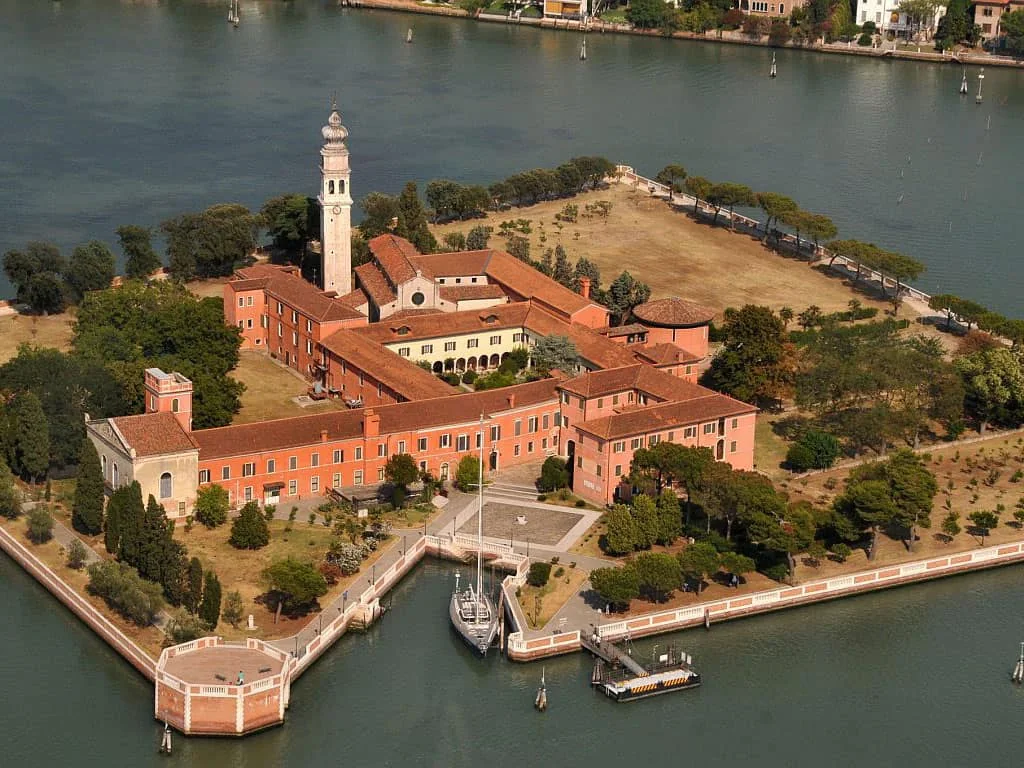
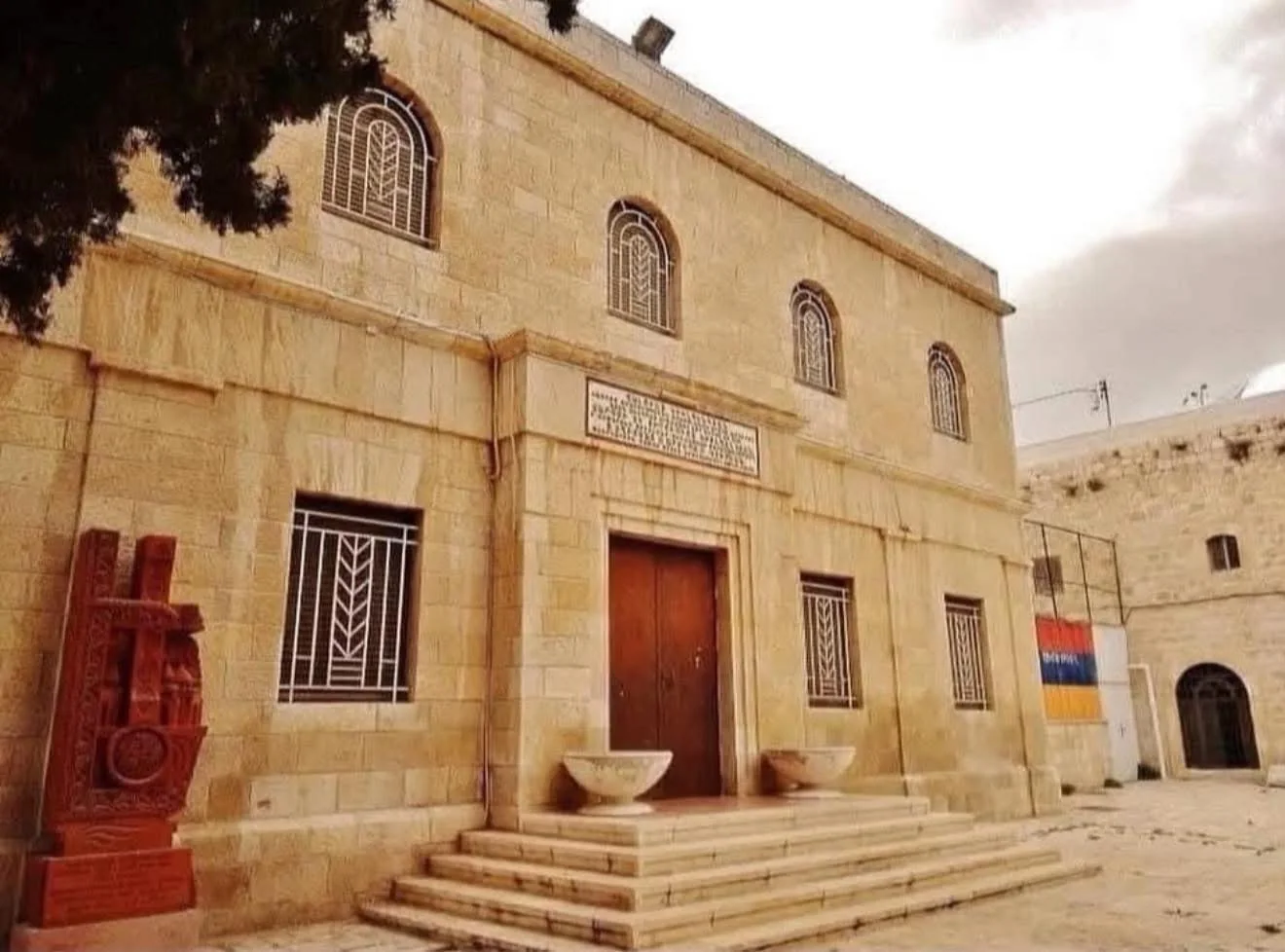
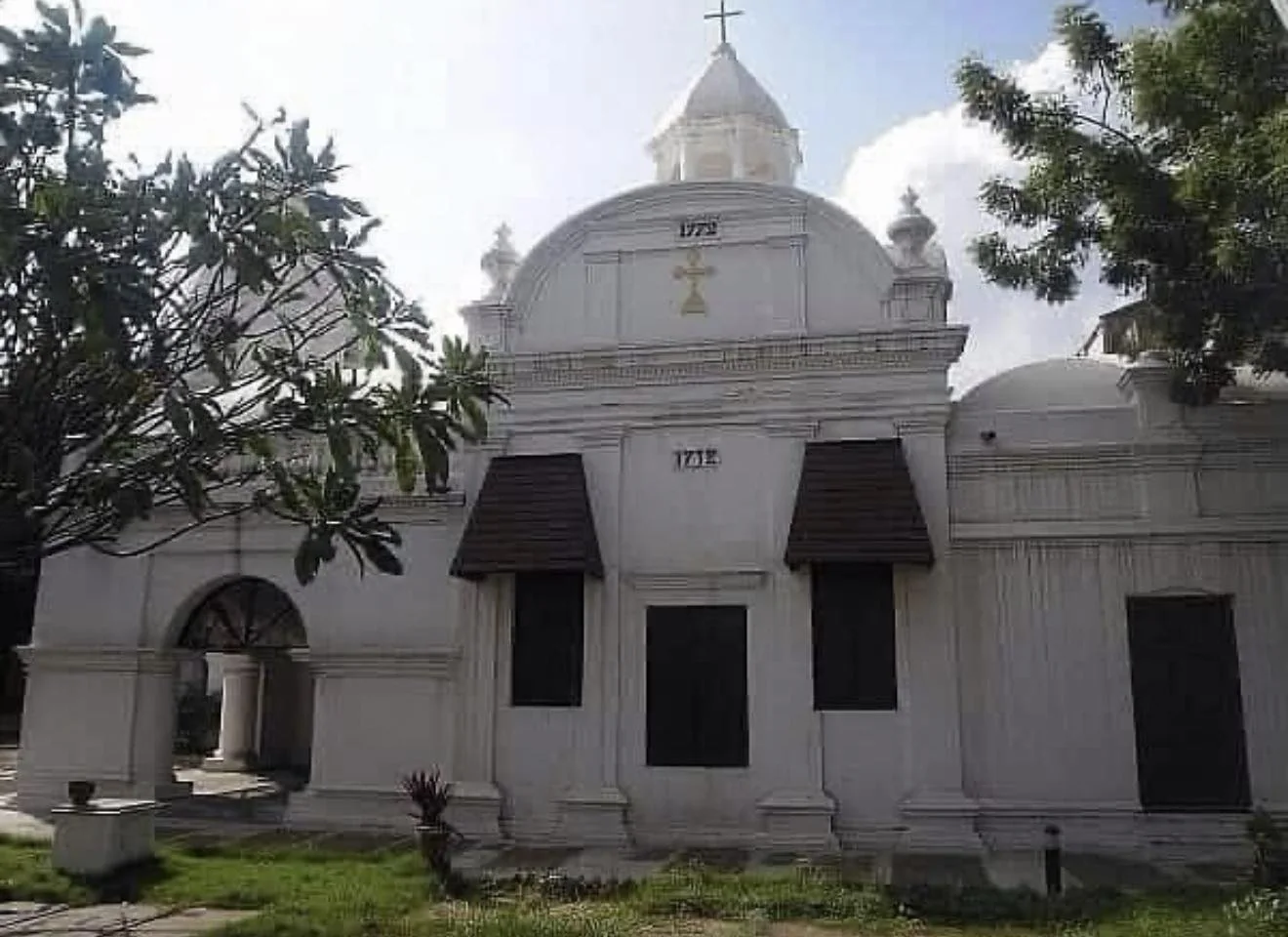
For centuries Armenians have also lived outside their homeland. In Jerusalem the Armenian presence goes back to early Christian times, and the Armenian Patriarchate and the Armenian Quarter survive to this day. From the Middle Ages there were Armenian communities in the Crimea, in Constantinople, in Poland, where the Armenian cathedral of Lviv was built in the 14th century, and in Russia. After the forced deportation by Shah Abbas, New Julfa was founded near Isfahan in 1605, and its merchants built trading networks reaching as far as India. In Madras the first Armenian periodical, “Azdarar”, appeared in 1794, and on the island of San Lazzaro in Venice the Mekhitarist Congregation has worked since 1717 as an important centre of Armenian studies and printing.
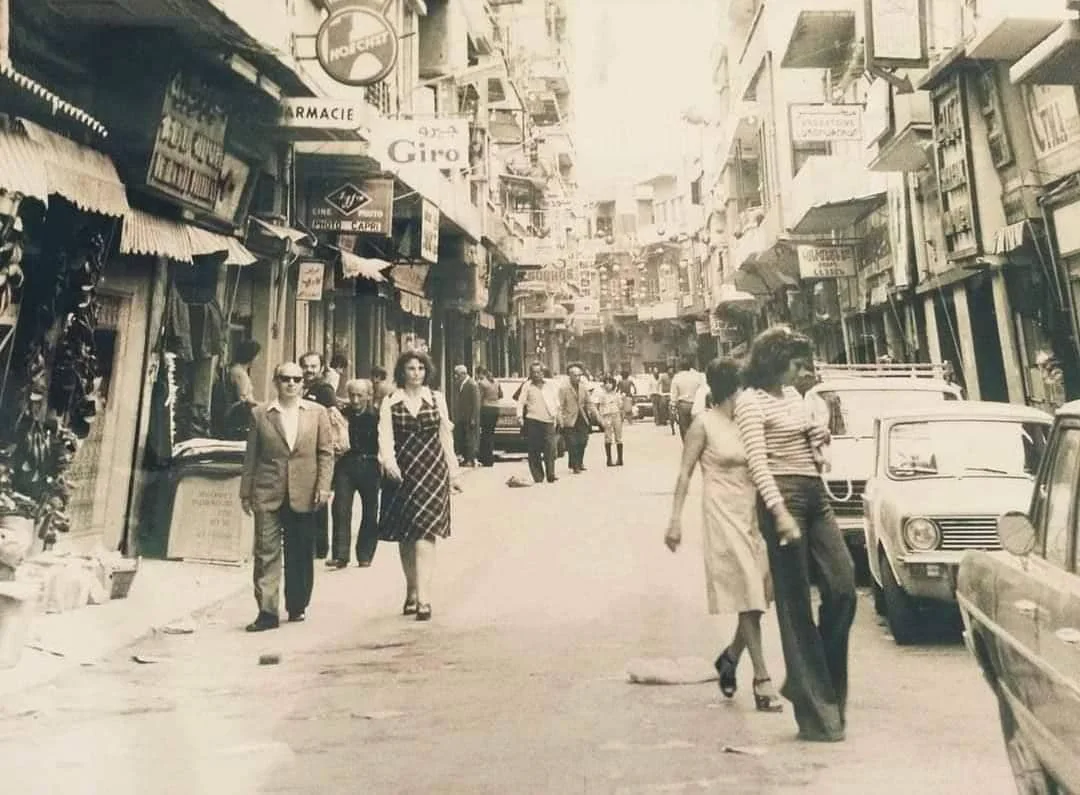
The modern diaspora was formed mainly after the First World War and the Armenian Genocide. Hundreds of thousands of survivors, among them thousands of orphans, found themselves in Syria, Lebanon, Egypt, Iraq, Greece, Bulgaria and Cyprus. Aleppo and Beirut became among the main centres of the diaspora. Near Beirut the Bourj Hammoud district grew on the site of refugee camps, and in 1939, when the Sanjak of Alexandretta passed to Turkey, the Armenians of Musa Ler were resettled in the village of Anjar in Lebanon.
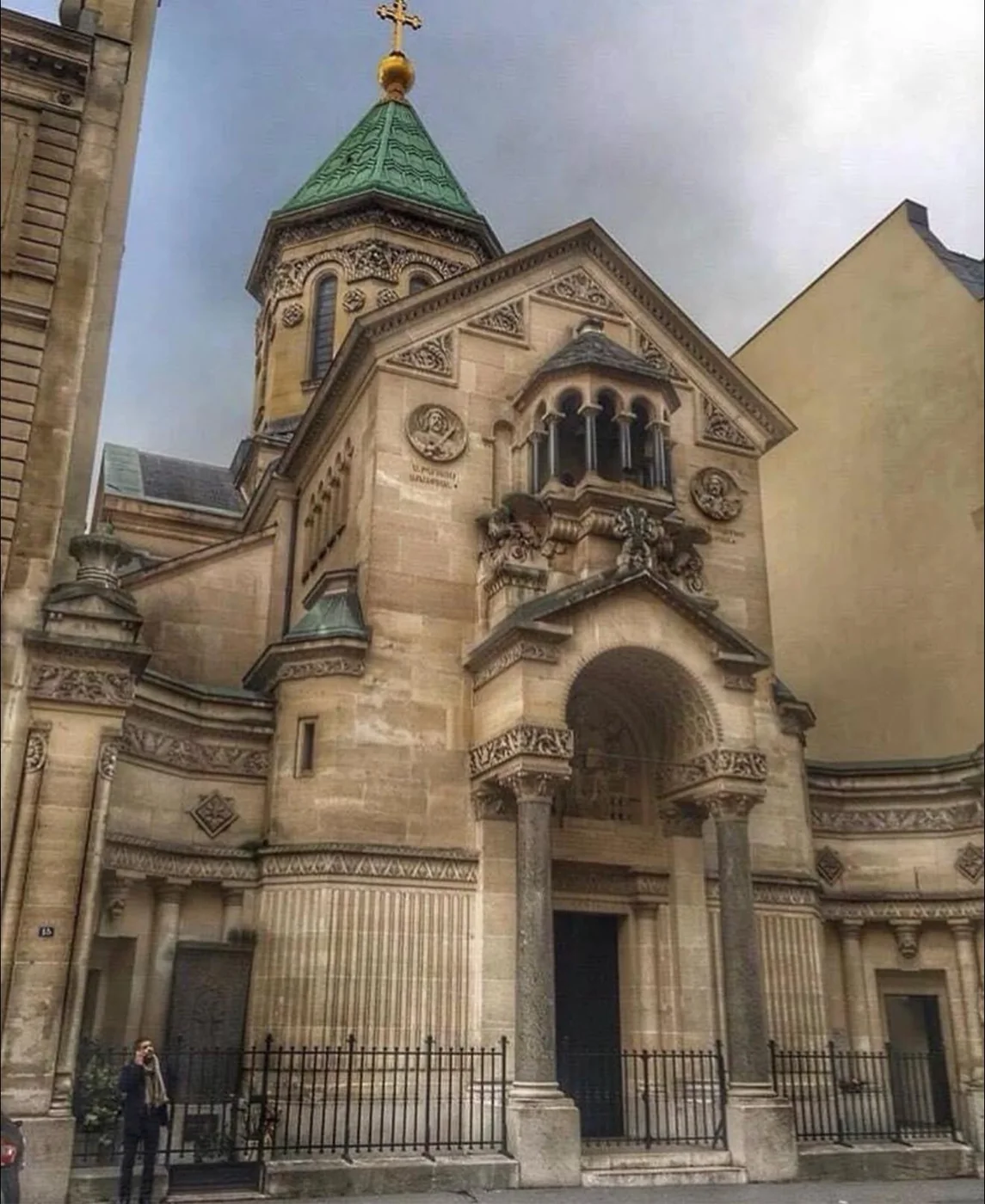
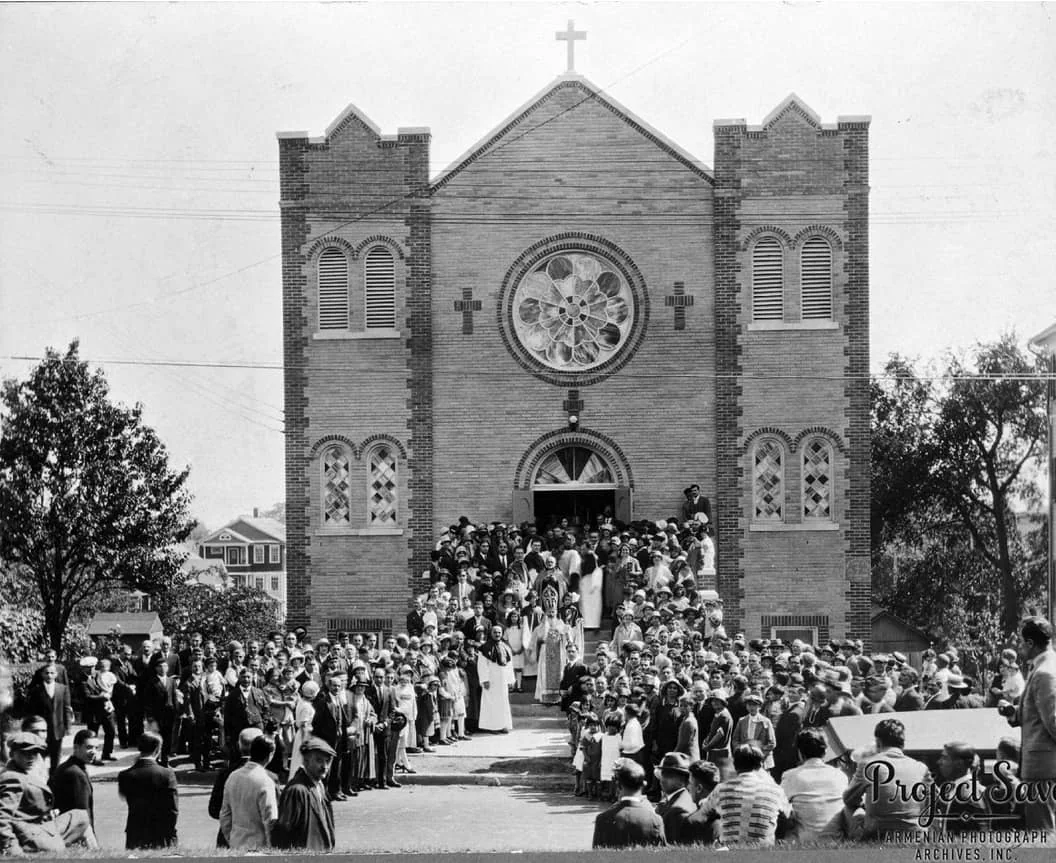
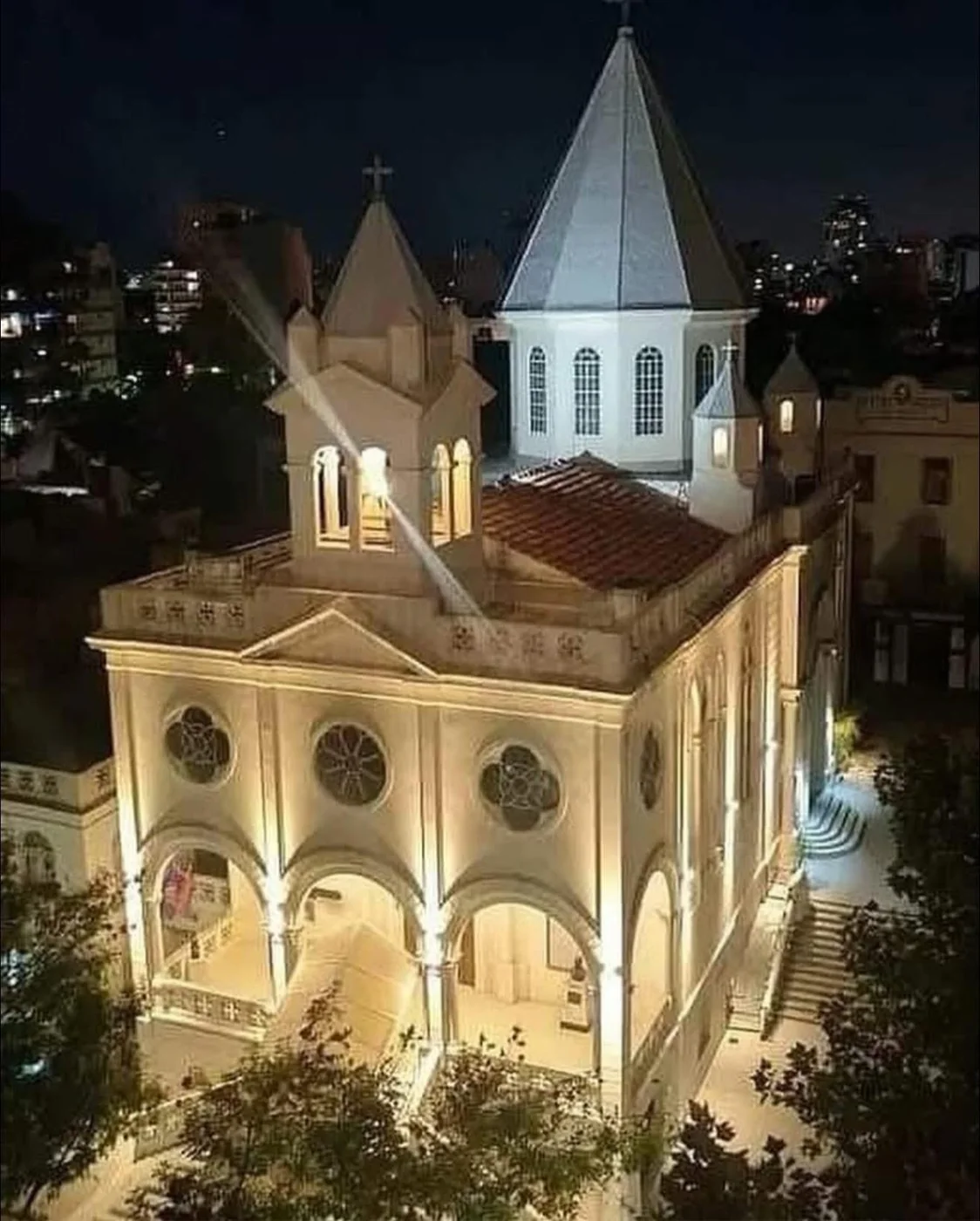
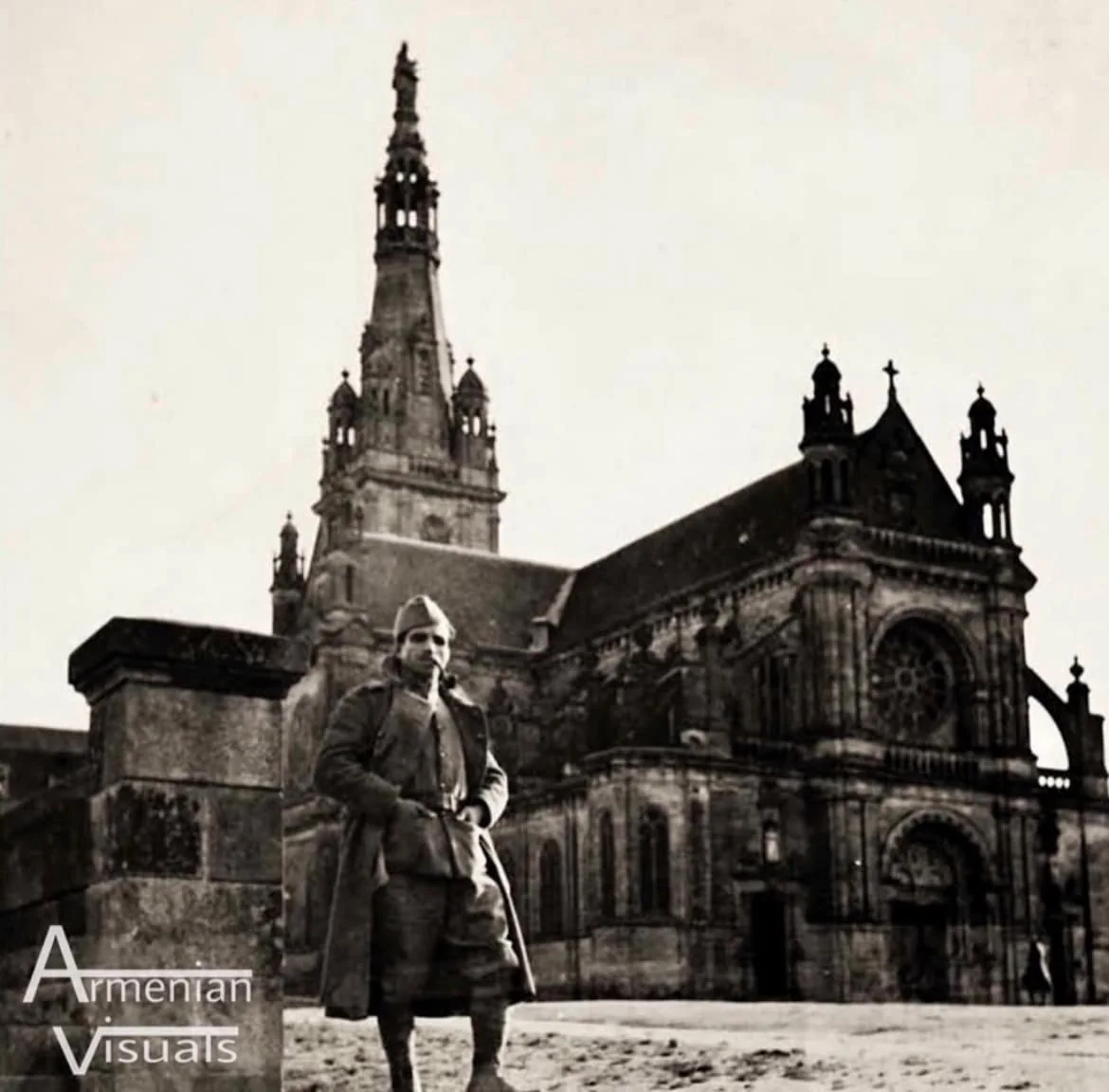
Large numbers of Armenians settled in France, in Marseille, Paris, Lyon and Valence, where in the 1920s they worked in factories and gradually built their community life. Many lived for years with a Nansen passport as stateless refugees. In the United States an Armenian community had already formed at the end of the 19th century, and its centres became Boston, New York, Fresno and, later, Los Angeles. In South America communities were established in Argentina, Brazil and Uruguay, especially in Buenos Aires and São Paulo.
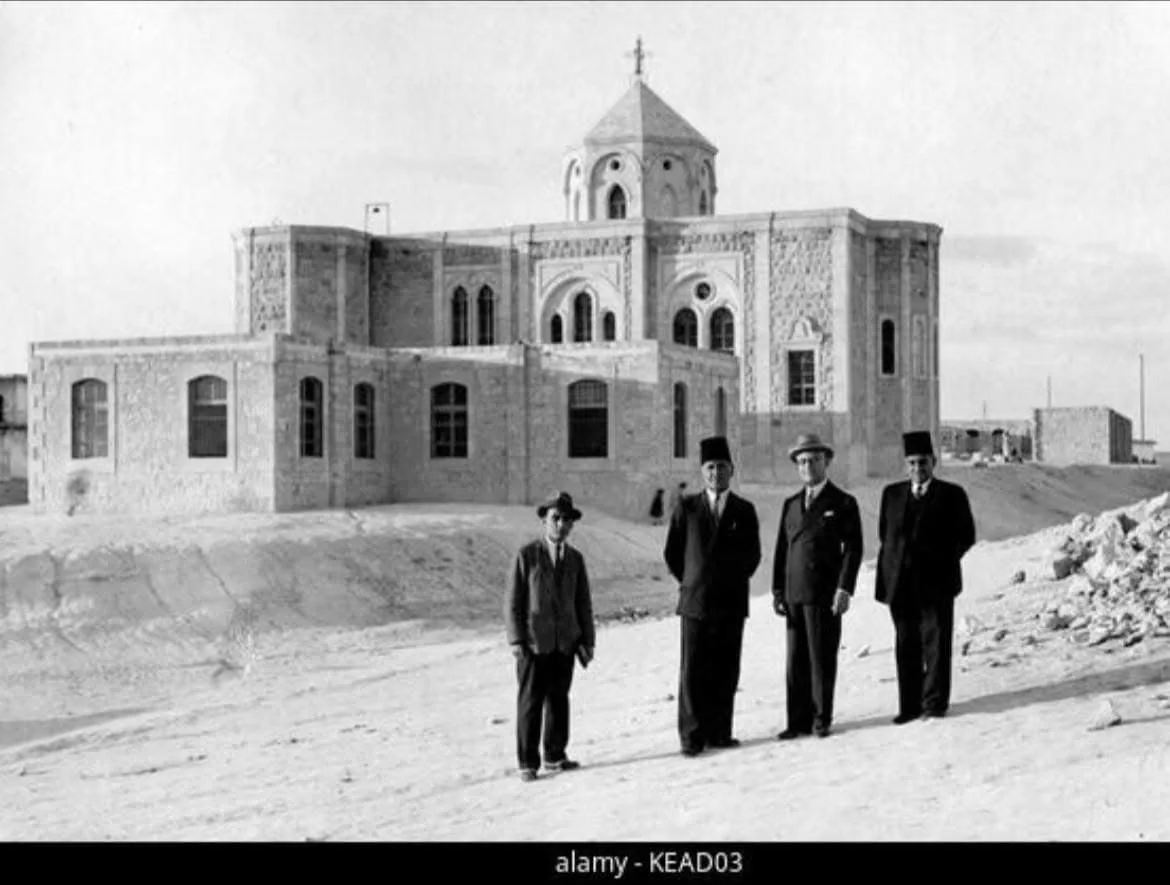
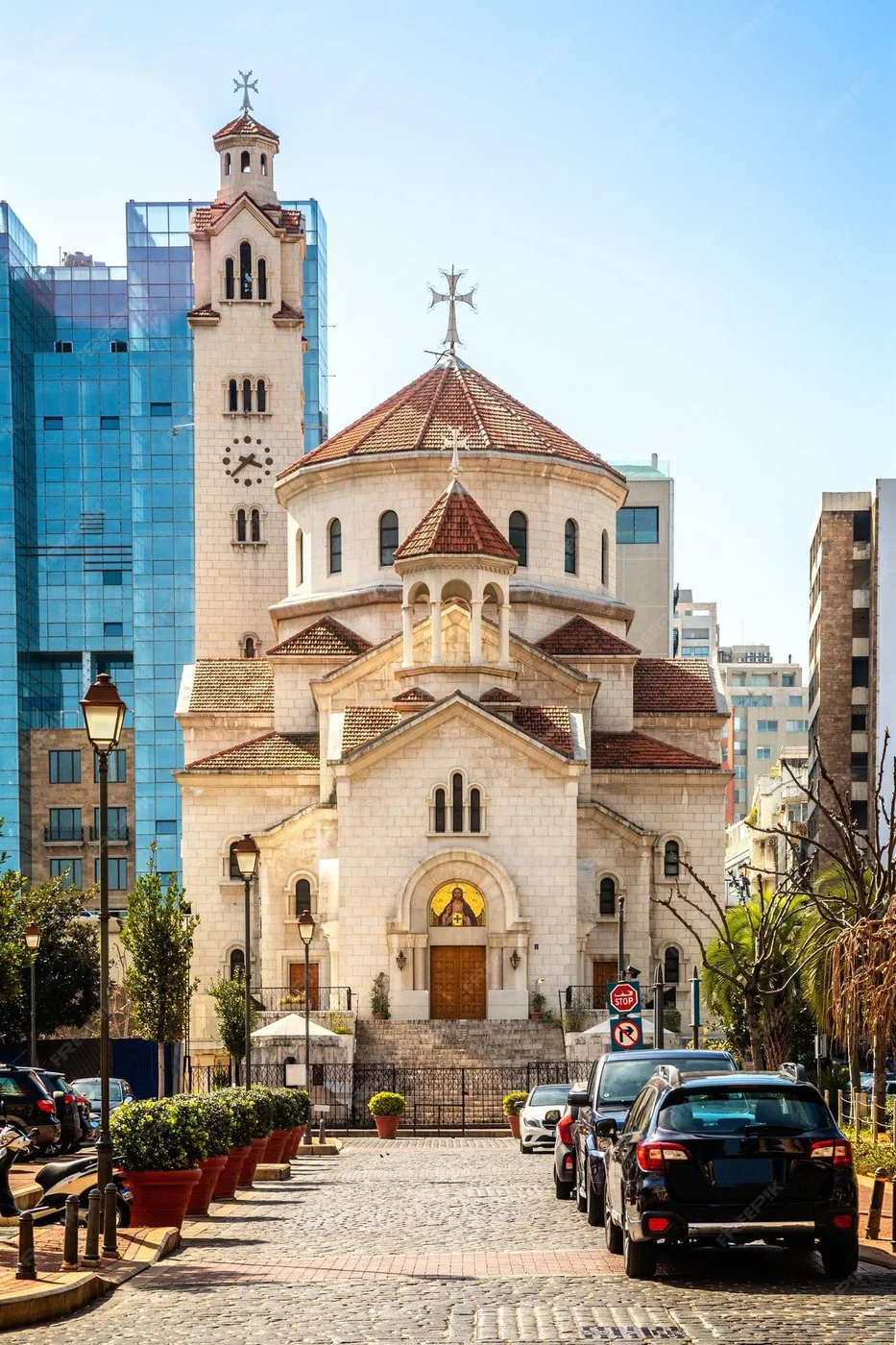
The foundations of diaspora life were the church, the school and the national organisations. In every new community a church and a school were built first; newspapers were published, and choirs, sports and cultural associations were founded. The Armenian General Benevolent Union (AGBU), founded in Cairo in 1906 on the initiative of Boghos Nubar Pasha, helped orphans and refugees and later created a wide network of schools. The Melkonian Educational Institute opened in Cyprus in 1926, and Haigazian College, which later became a university, opened in Beirut in 1955. In 1930 the Catholicosate of Cilicia was established in Antelias, Lebanon. The traditional parties, the Dashnaktsutyun, the Hnchakians and the Ramgavars, also played an important role in community life.
During the Cold War the diaspora was divided over political questions, especially over its attitude to Soviet Armenia, and in the 1950s this split also affected church life. At the same time, in 1946–1949, tens of thousands of diaspora Armenians repatriated to Armenia. After 1965, 24 April became an annual day of remembrance in every community, and the diaspora began working persistently for international recognition of the Genocide. The communities of the Middle East bore the shocks of the region. The Lebanese civil war of 1975–1990 and the Iranian revolution of 1979 forced many Armenians to move to Europe, North America and Australia.
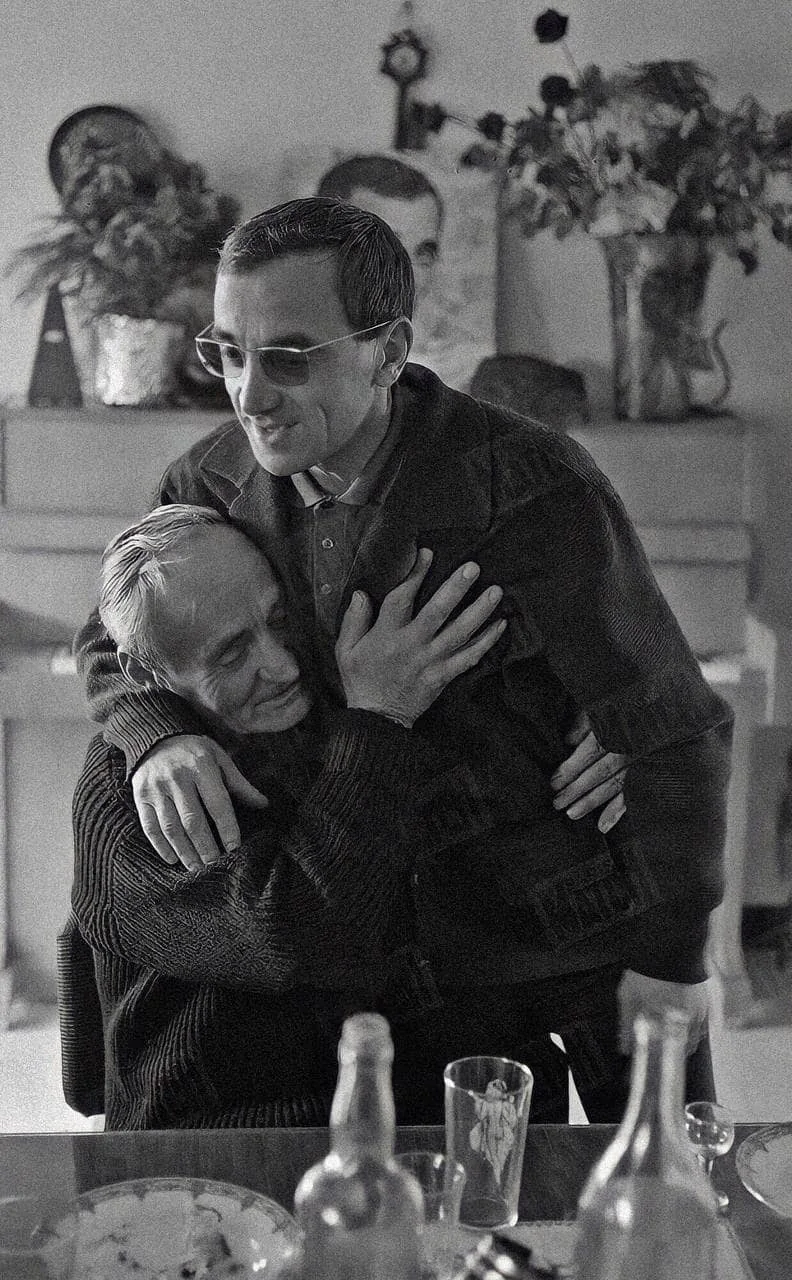
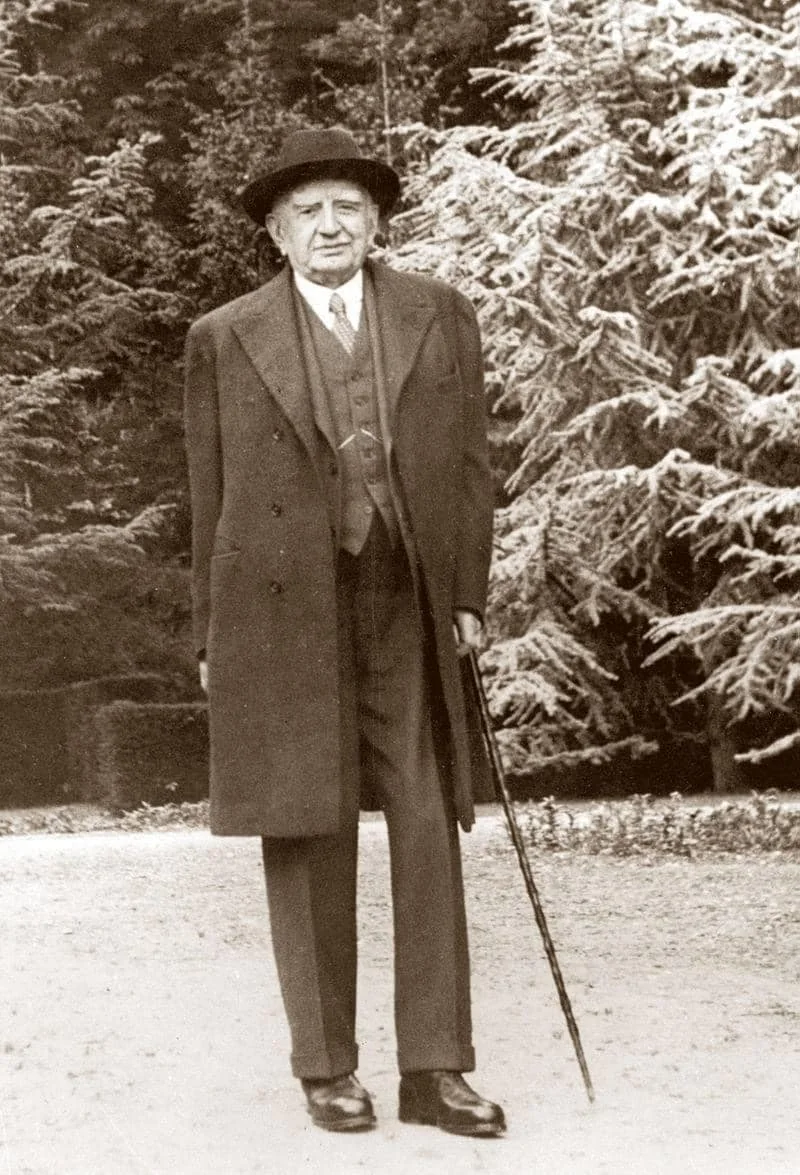
The diaspora gave the world many notable people. The foundation created in Lisbon under the will of the businessman and art lover Calouste Gulbenkian also supports Armenian education and culture. In France the singer Charles Aznavour and the film director Henri Verneuil did their work, while the poet Missak Manouchian led a Resistance group during the Second World War and was shot by the German authorities in 1944. In the United States the writer William Saroyan and the painter Arshile Gorky became famous, and in Canada the photographer Yousuf Karsh.
After the 1988 earthquake and the independence of 1991, the diaspora became an important supporter of Armenia through humanitarian aid, investment, and educational and cultural programmes, and in 1992 the Hayastan All-Armenian Fund was created. At the end of the 20th century the diaspora was also joined by emigrants from Armenia and the former Soviet countries, especially in Russia and the United States. Different generations and countries have made the diaspora diverse. In some communities the Armenian language and traditions are kept in everyday life, in others mainly through the church, the school and family memory.