In the mid-1980s Mikhail Gorbachev’s policies of perestroika and glasnost made it possible to speak openly about questions long kept silent. In Armenia these included environmental concerns, such as the emissions of Yerevan’s chemical plants and the safety of the Metsamor nuclear plant, but above all the question of Nagorno-Karabakh. The majority of the autonomous region’s population were Armenians, who for decades had complained of cultural and economic discrimination and wished to join Armenia.
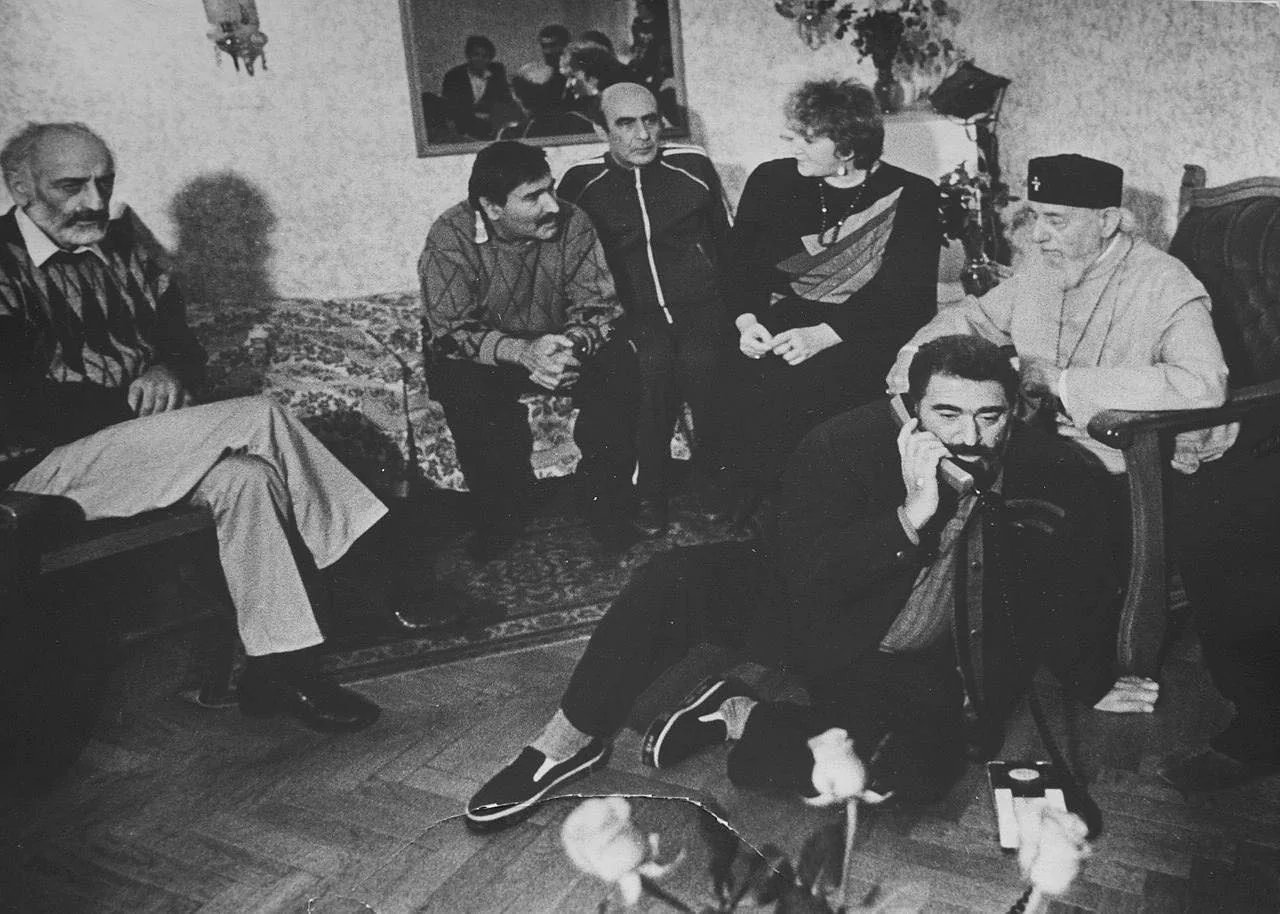
On 20 February 1988 the regional soviet of Nagorno-Karabakh adopted a resolution asking for the region to be transferred from Azerbaijan to Armenia. Rallies of many thousands began in Stepanakert and Yerevan, and hundreds of thousands of people gathered in Yerevan’s Theatre Square, today called Freedom Square. The leadership of the movement was taken up by the Karabakh Committee, most of whose members were scholars and intellectuals. Moscow rejected any change of borders.
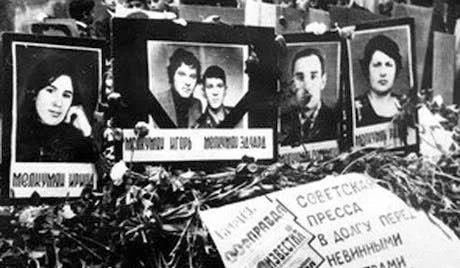
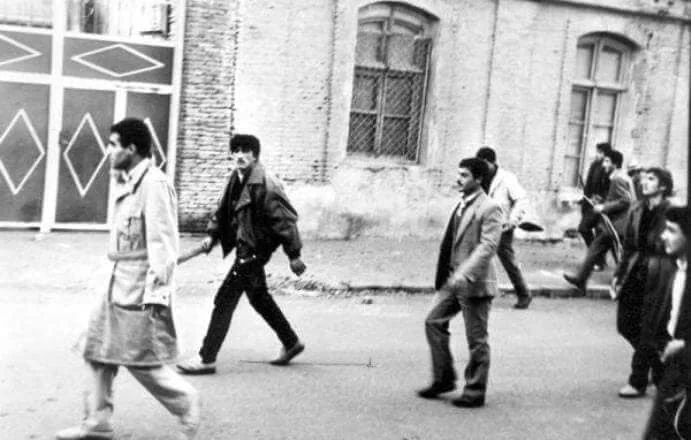
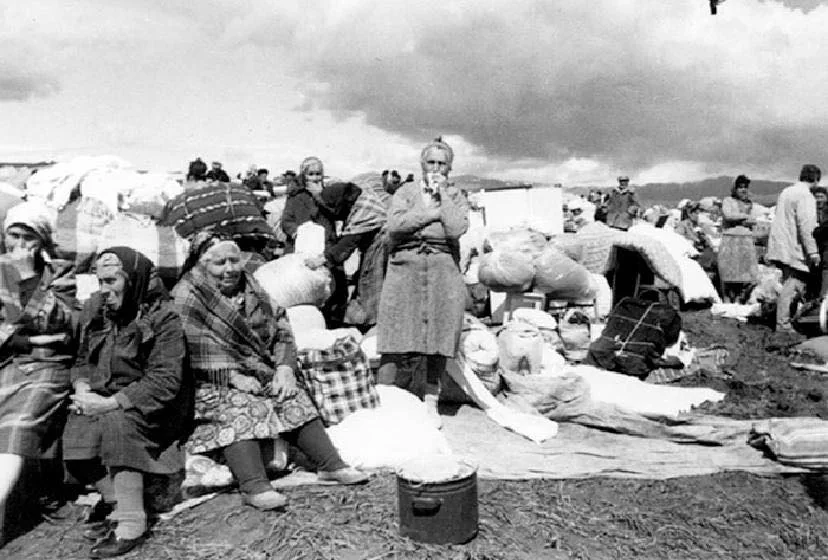
On 27–29 February, pogroms against Armenians took place in the Azerbaijani city of Sumgait. According to official Soviet figures 32 people were killed, 26 of them Armenians, but many witnesses and researchers believe the real number was higher. Later there was violence in Gandzak, then called Kirovabad, and in January 1990 in Baku. Tension and fear led to a mass displacement of population in both directions. According to various estimates, by 1990 some 350,000 Armenians had left Azerbaijan, and about 200,000 Azerbaijanis had left Armenia.
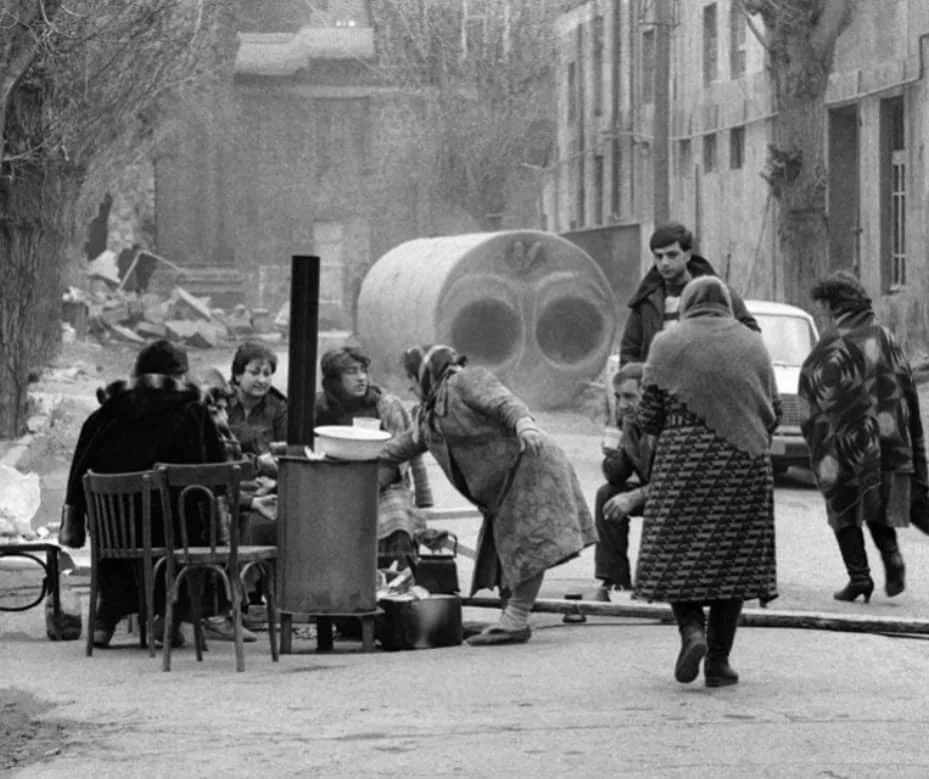
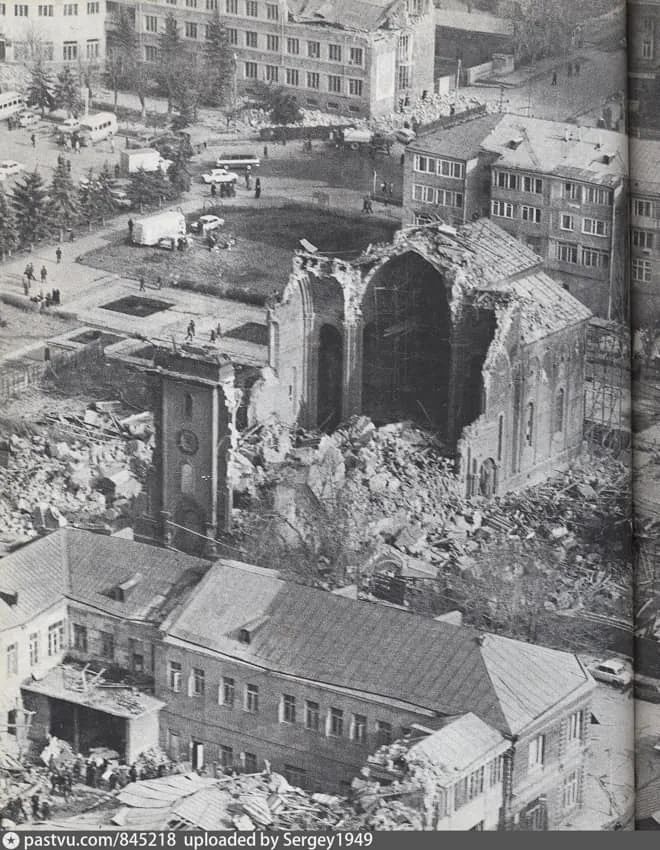
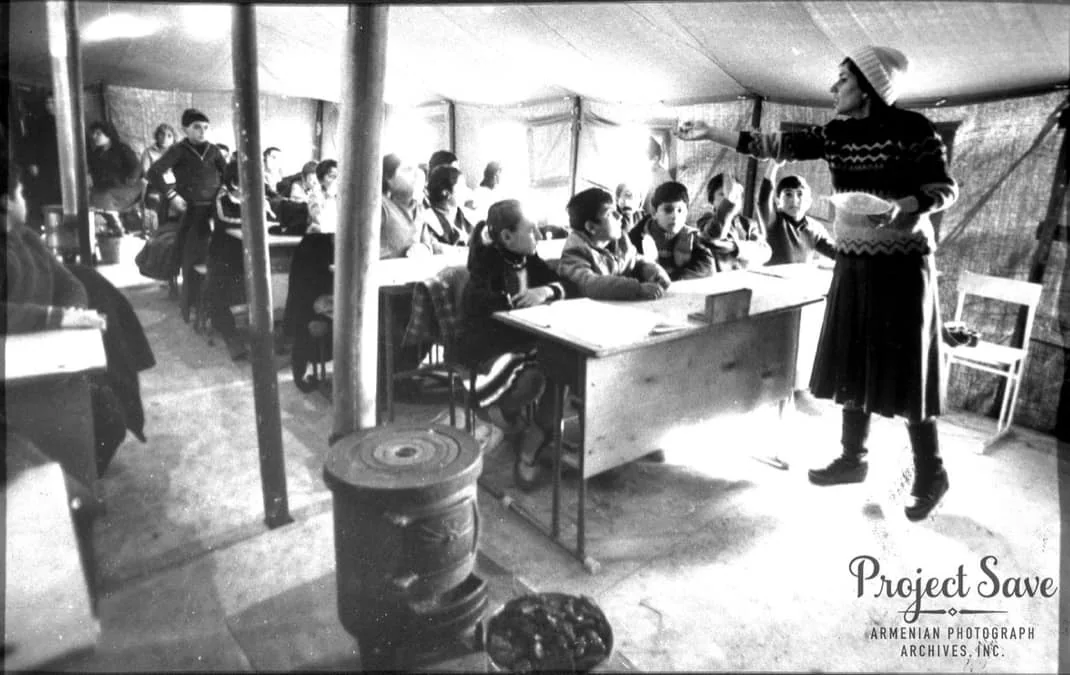
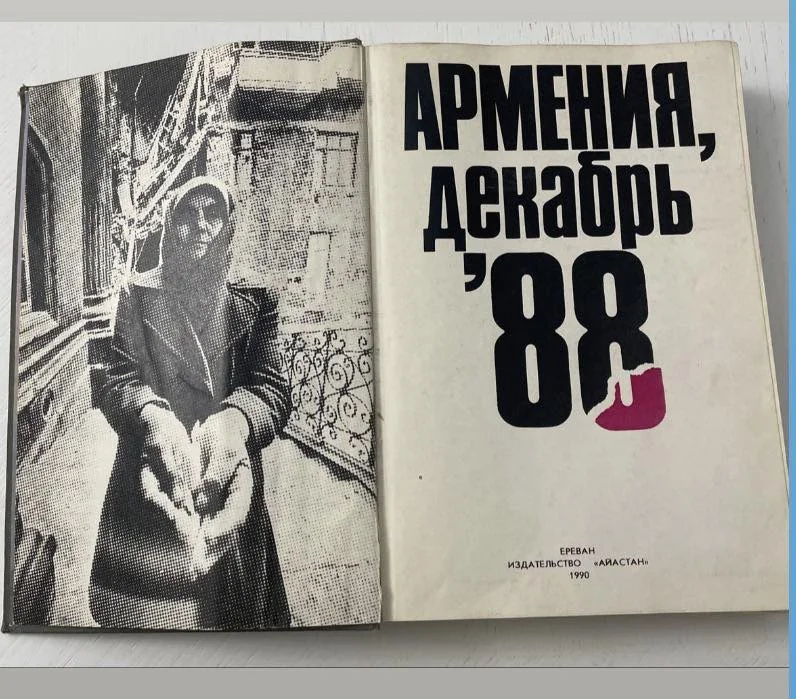
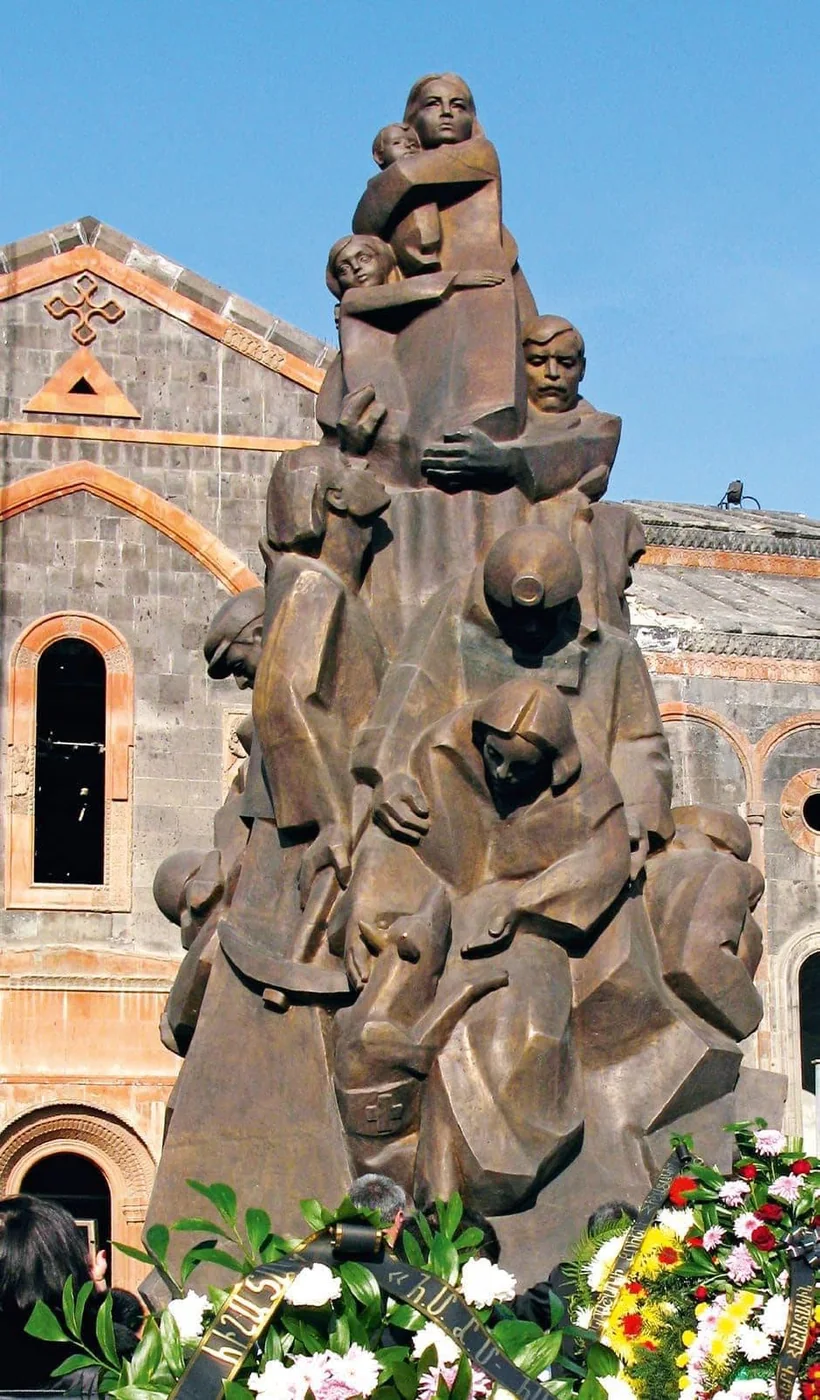
On 7 December 1988, at 11:41, a devastating earthquake struck northern Armenia. The town of Spitak was almost completely destroyed, and Leninakan (Gyumri), Kirovakan (Vanadzor), Stepanavan and dozens of villages suffered heavy damage. According to official figures about 25,000 people died, tens of thousands were injured, and more than half a million were left homeless. Gorbachev cut short his visit to the United States and came to Armenia, and rescuers, doctors and aid arrived from dozens of countries. Many buildings did not withstand the shocks, and the consequences of the disaster were felt for many years.
A few days after the earthquake the members of the Karabakh Committee were arrested and taken to Moscow, but under public pressure they were released in May 1989. On 1 December 1989 the Supreme Soviet of the Armenian SSR adopted a decision on the reunification of Armenia and Nagorno-Karabakh. In 1990 the first free parliamentary elections took place, and in August the historian Levon Ter-Petrosyan, a member of the Committee, was elected Chairman of the Supreme Council. On 23 August the Council adopted the Declaration of Independence, which opened the path to independent statehood.
In 1991 the crisis of the Soviet Union deepened. Armenia did not take part in the all-Union referendum of March on preserving the Union. In spring and summer, during Operation Ring, Soviet and Azerbaijani forces forcibly deported the inhabitants of dozens of Armenian villages in Nagorno-Karabakh and neighbouring districts, and many people were killed or arrested. After the failed coup attempt in Moscow in August, the collapse of the USSR became inevitable. On 2 September the regional soviet of Nagorno-Karabakh and the district soviet of Shahumyan proclaimed the Nagorno-Karabakh Republic.
In the referendum held on 21 September 1991, more than 99 percent of participants voted for an independent democratic state outside the USSR. On 23 September the Supreme Council proclaimed the independence of the Republic of Armenia, and on 16 October Levon Ter-Petrosyan was elected the country’s first president. In December the Soviet Union ceased to exist, and after about 70 years Armenia once again became an independent state, though in the difficult conditions of war, blockade and an economy ruined by the earthquake.