After the collapse of the USSR the conflict over Nagorno-Karabakh turned into open war. In November 1991 Azerbaijan abolished the region’s autonomy, and in December an independence referendum was held in Nagorno-Karabakh. In the winter of 1992 Stepanakert was under heavy shelling. The war was tragic for civilians on both sides. In February 1992, during the capture of Khojaly, many Azerbaijani civilians were killed, and in April dozens of Armenian civilians were killed in the village of Maragha.
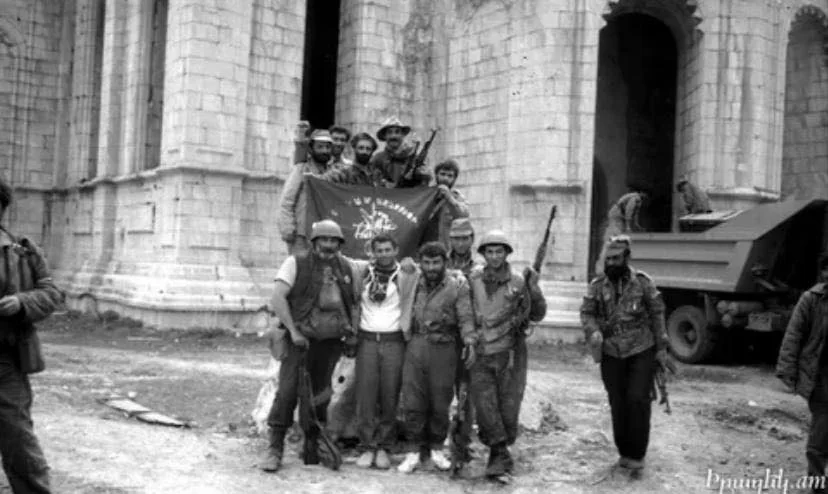
In May 1992 Armenian forces took Shushi and soon afterwards Lachin, which opened a land link between Nagorno-Karabakh and Armenia. In the summer an Azerbaijani offensive led to the loss of the Shahumyan district and most of Martakert, and thousands of Armenians became refugees. In 1993 Armenian forces took control of several districts around Nagorno-Karabakh, from which hundreds of thousands of Azerbaijanis were displaced. In 1993 the UN Security Council adopted four resolutions calling for an end to hostilities and the withdrawal of forces from the occupied districts. On 12 May 1994 a ceasefire brokered by Russia came into force. The war took tens of thousands of lives, and between 1988 and 1994 more than 1 million people on both sides lost their homes.
During the war Azerbaijan closed its border and railway with Armenia, and in 1993 Turkey also closed its border. The gas pipeline running through Georgia was repeatedly blown up. In 1992–1995 Armenia went through a severe energy crisis. In winter homes were left without heating, electricity was supplied for 1–2 hours a day, people cut down trees for fuel, and bread was distributed with coupons. The Metsamor nuclear plant, closed after the earthquake, was restarted in 1995. Because of economic decline and poverty, hundreds of thousands of people emigrated, mostly to Russia.
At the same time the institutions of an independent state were being created. In 1992 the army was formed and Armenia became a member of the United Nations; in November 1993 the national currency, the dram, was put into circulation; and in 1995 the Constitution was adopted by referendum. Land and most enterprises were privatised. Domestic politics were tense. The results of the 1996 presidential election were disputed by the opposition, and in 1998, amid disagreements over the Karabakh settlement, Levon Ter-Petrosyan resigned. Robert Kocharyan was elected president.
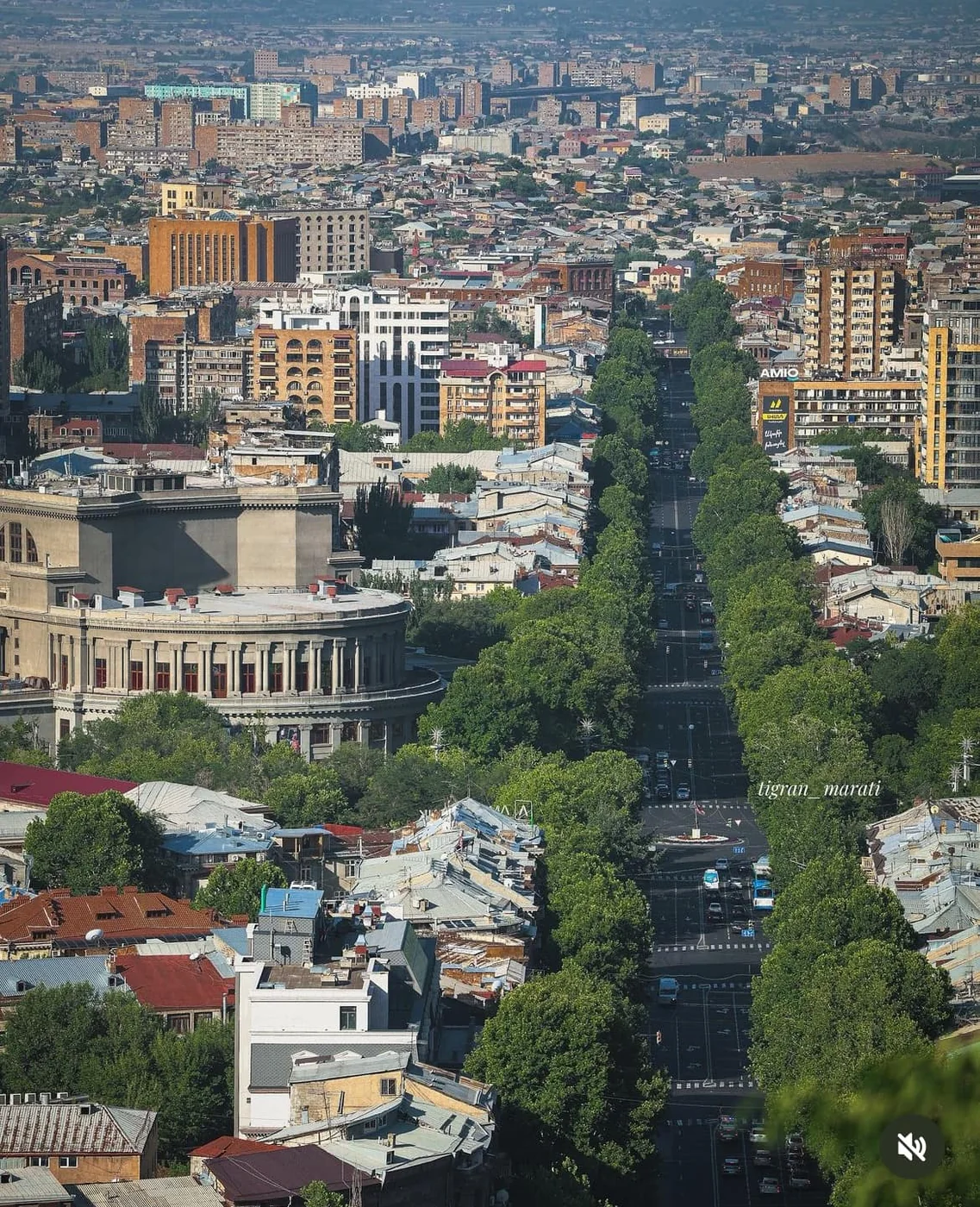
On 27 October 1999 an armed group burst into the National Assembly and killed Prime Minister Vazgen Sargsyan, Speaker of Parliament Karen Demirchyan and 6 other people. The tragedy was a deep shock for the country. In the 2000s the economy grew, Yerevan changed rapidly, tourism developed, and with the help of the diaspora roads and schools were built and churches restored, including in Artsakh. In 2001 Armenia became a member of the Council of Europe. After the 2008 presidential election, on 1 March opposition protests in Yerevan turned into clashes in which 10 people died. Serzh Sargsyan became president. The protocols on normalising relations signed with Turkey in 2009 were never ratified, and in 2015 Armenia joined the Eurasian Economic Union.
After 1994 the Nagorno-Karabakh Republic functioned as an internationally unrecognised state with its own elections and institutions, closely linked to Armenia. Negotiations on a settlement were held within the OSCE Minsk Group, co-chaired by Russia, the United States and France, but no agreement was reached. The ceasefire along the line of contact was often violated. On 2 April 2016 Azerbaijani forces launched a large-scale offensive, and after four days of fighting a ceasefire was agreed in Moscow on 5 April. About 200 soldiers and civilians were killed on both sides, and the Azerbaijani side took control of several positions and heights.
Under the constitutional changes of 2015 Armenia moved to a parliamentary system of government. In April 2018, when Serzh Sargsyan, whose presidential terms had ended, was elected prime minister, peaceful mass protests led by Nikol Pashinyan began: marches, street blockades and rallies. On 23 April Sargsyan resigned, on 8 May the National Assembly elected Pashinyan prime minister, and in the snap elections of December his alliance won about 70 percent of the vote. These events became known as the “Velvet Revolution” and raised great expectations. Yet the Karabakh conflict remained unresolved, and in 2020 it turned into war once again.