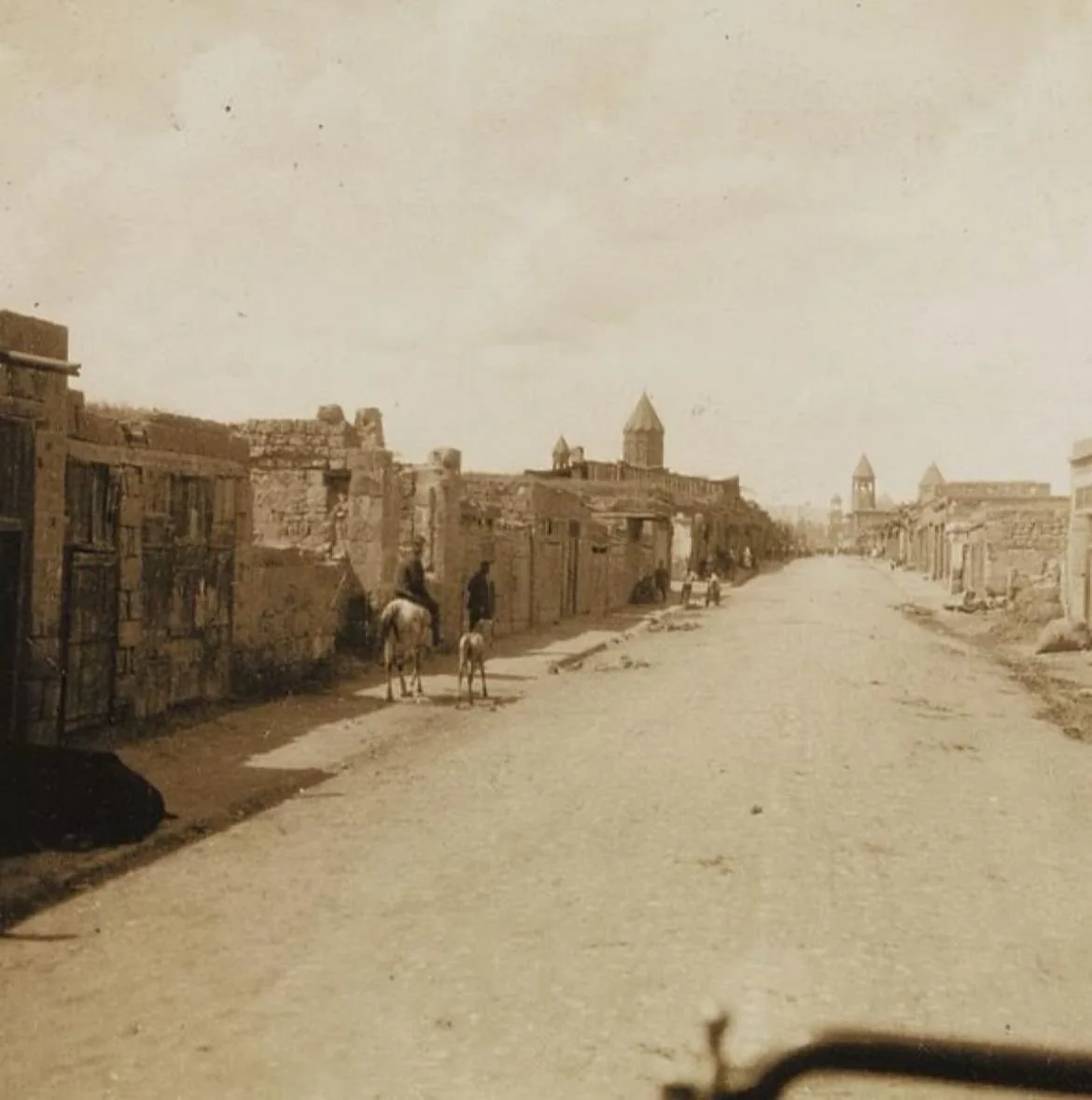
At the end of November 1920, when the Republic of Armenia was exhausted by the Turkish-Armenian war, Red Army units entered the country from Azerbaijan, and on 2 December power passed to the Bolsheviks. The requisitions and arrests of the first months provoked an uprising in February 1921, which was suppressed in April, while in Zangezur the resistance led by Garegin Nzhdeh continued until the summer of that year. In 1921 the treaties of Moscow and Kars fixed the border with Turkey: Kars and Mount Ararat remained with Turkey, and Nakhijevan was given to Azerbaijan as an autonomous territory. In the same year, by a decision of the Caucasian Bureau, Nagorno-Karabakh also remained within Azerbaijan, and in 1923 it became an autonomous region.
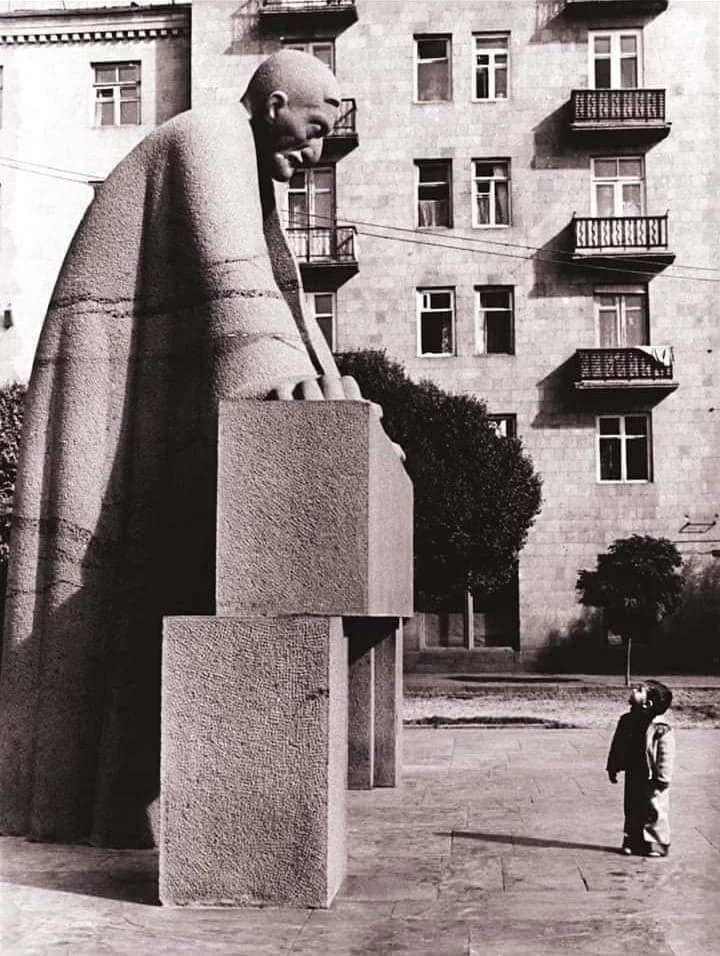
In 1922 Armenia was joined with Georgia and Azerbaijan in the Transcaucasian Federation, which in December of that year became one of the founding members of the USSR. The federation was dissolved in 1936, and the Armenian SSR became a separate Union republic. In the 1920s the architect Alexander Tamanyan drew up the general plan of Yerevan, approved in 1924. With its circular and radial streets, its buildings of pink tuff and its green belts, the new Yerevan gradually grew from a small provincial town into a true capital, and in the 1980s its population passed 1 million.
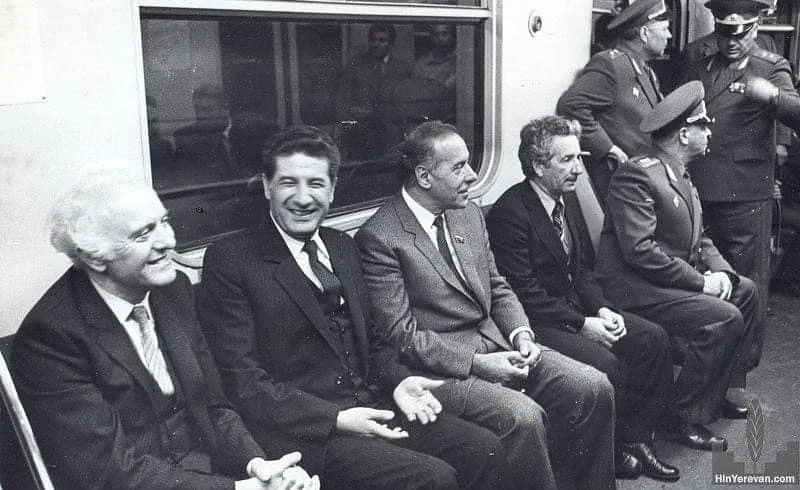
The Soviet authorities carried out rapid industrialisation. Hydroelectric power stations were built, including the Sevan-Hrazdan cascade, and many factories. The water of Lake Sevan was widely used for power and irrigation; as a result the level of the lake fell considerably, which later became a serious environmental problem. In the countryside collectivisation was carried out from 1929–1930, often by force. At the same time education became universal, illiteracy was largely eliminated, and universities, theatres and research institutions were opened. In the late 1970s the Metsamor nuclear power plant was put into operation, and in 1981 the Yerevan metro opened.
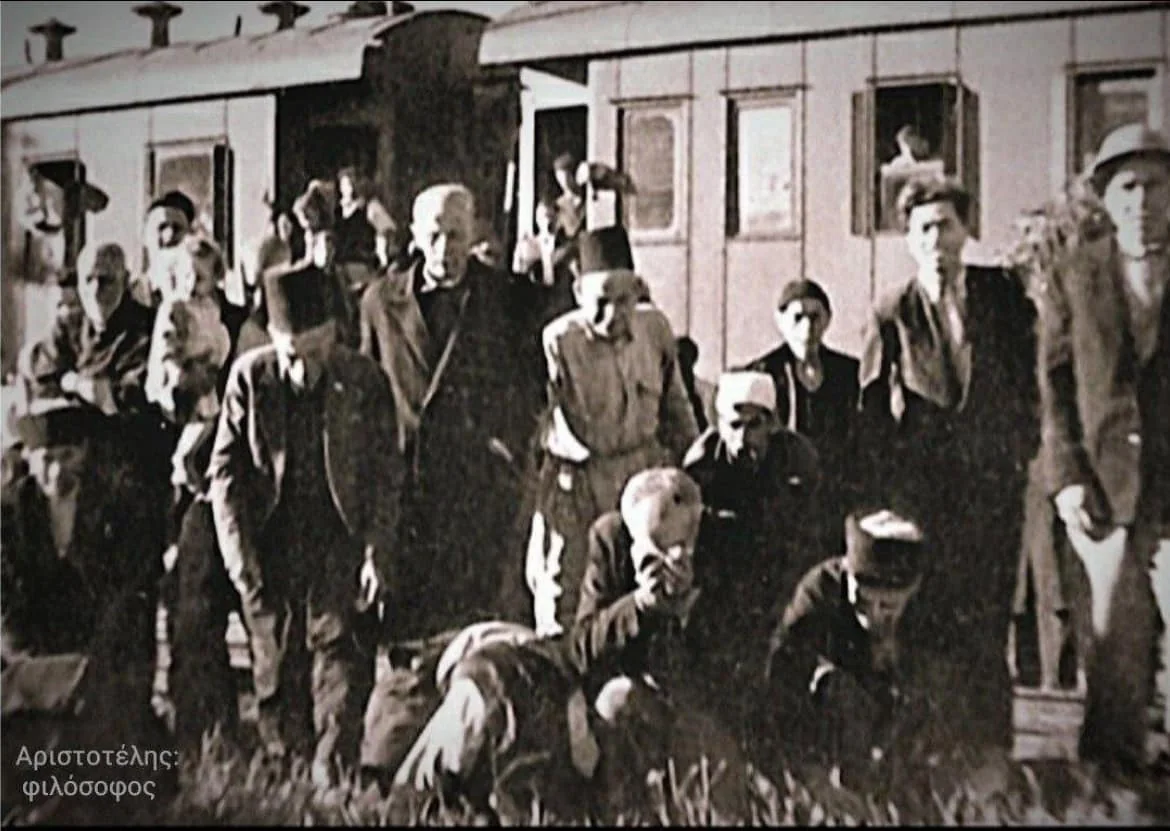
Alongside these achievements the country went through the Stalinist repressions. In 1936 the head of the Communist Party of Armenia, Aghasi Khanjian, died in suspicious circumstances in Tbilisi, after which, in 1937–1938, thousands of people were shot or deported. Among the victims were the writers Yeghishe Charents and Aksel Bakunts, statesmen, clergy, and ordinary workers and peasants. In 1938 Catholicos Khoren I died in suspicious circumstances, and most churches were closed. A new wave of repression came in 1949, when thousands of people and their families were deported to the Altai region.
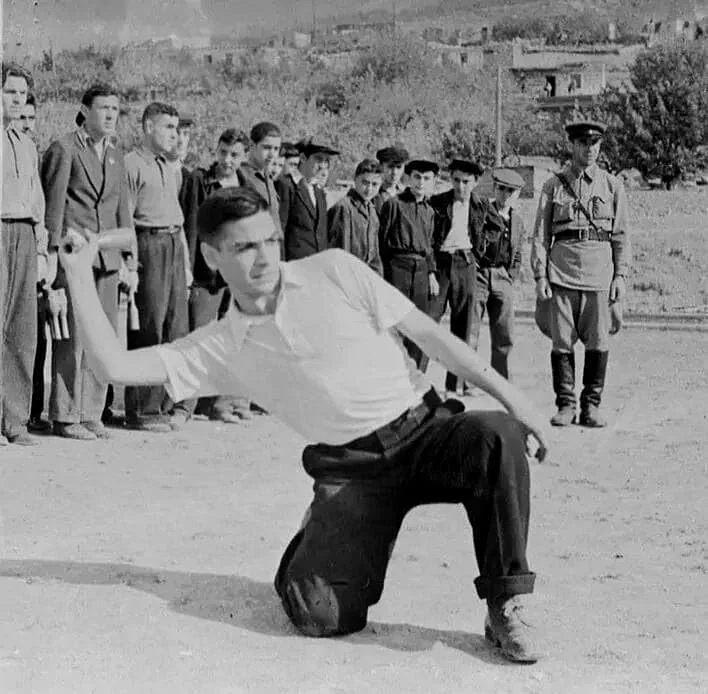
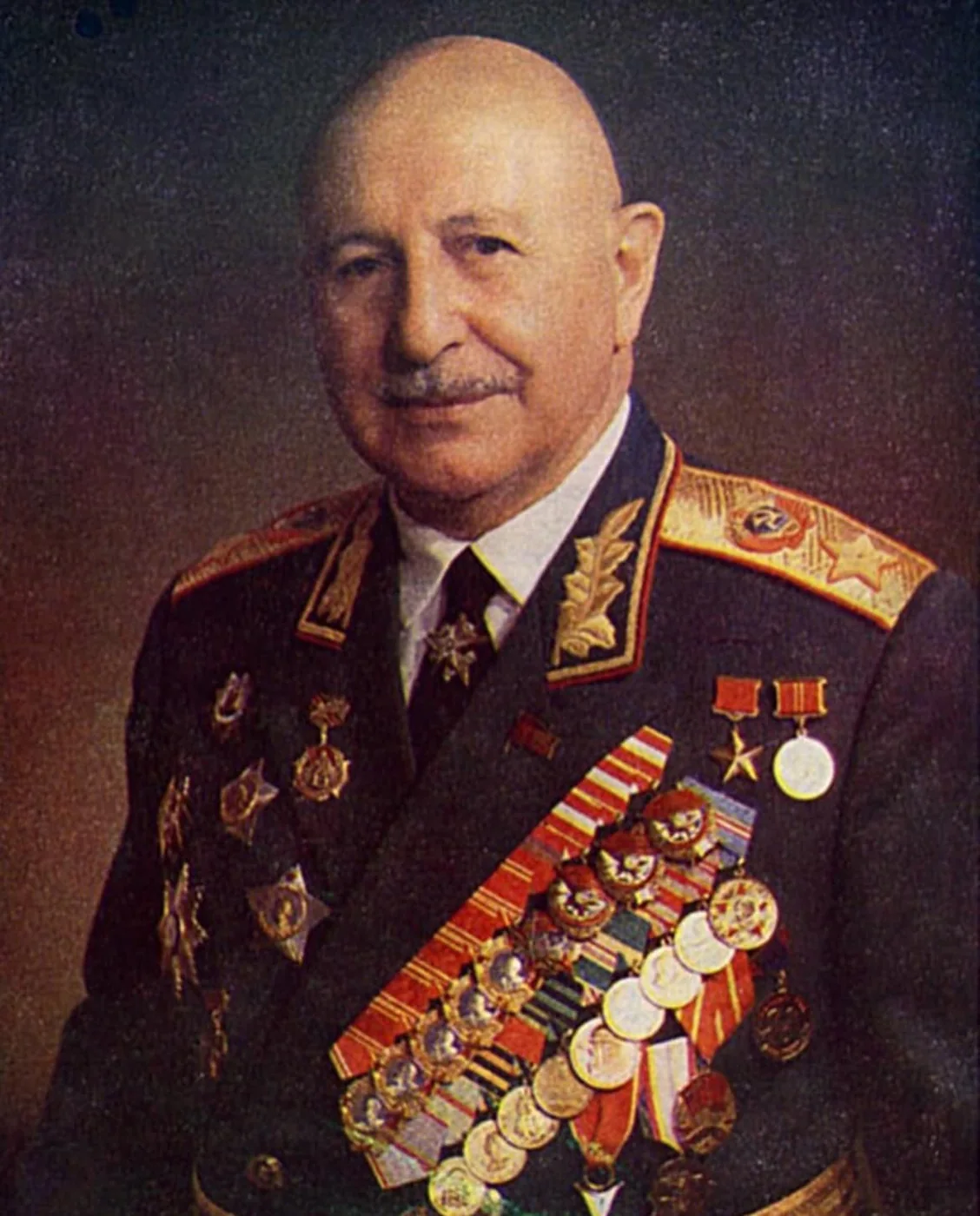
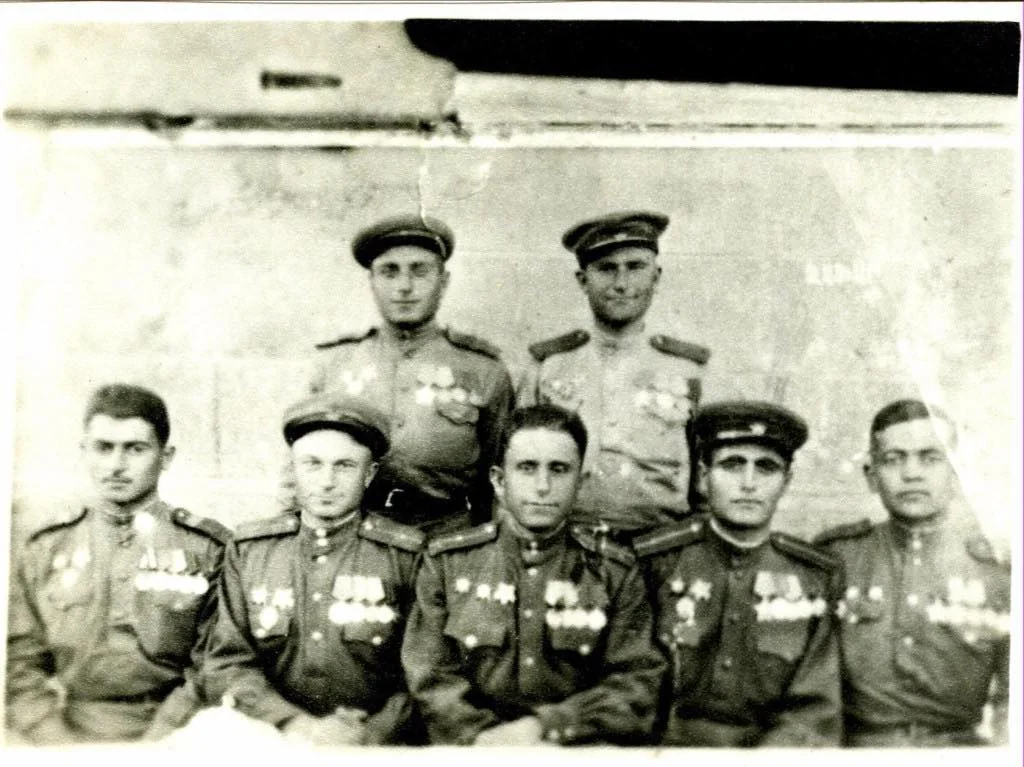
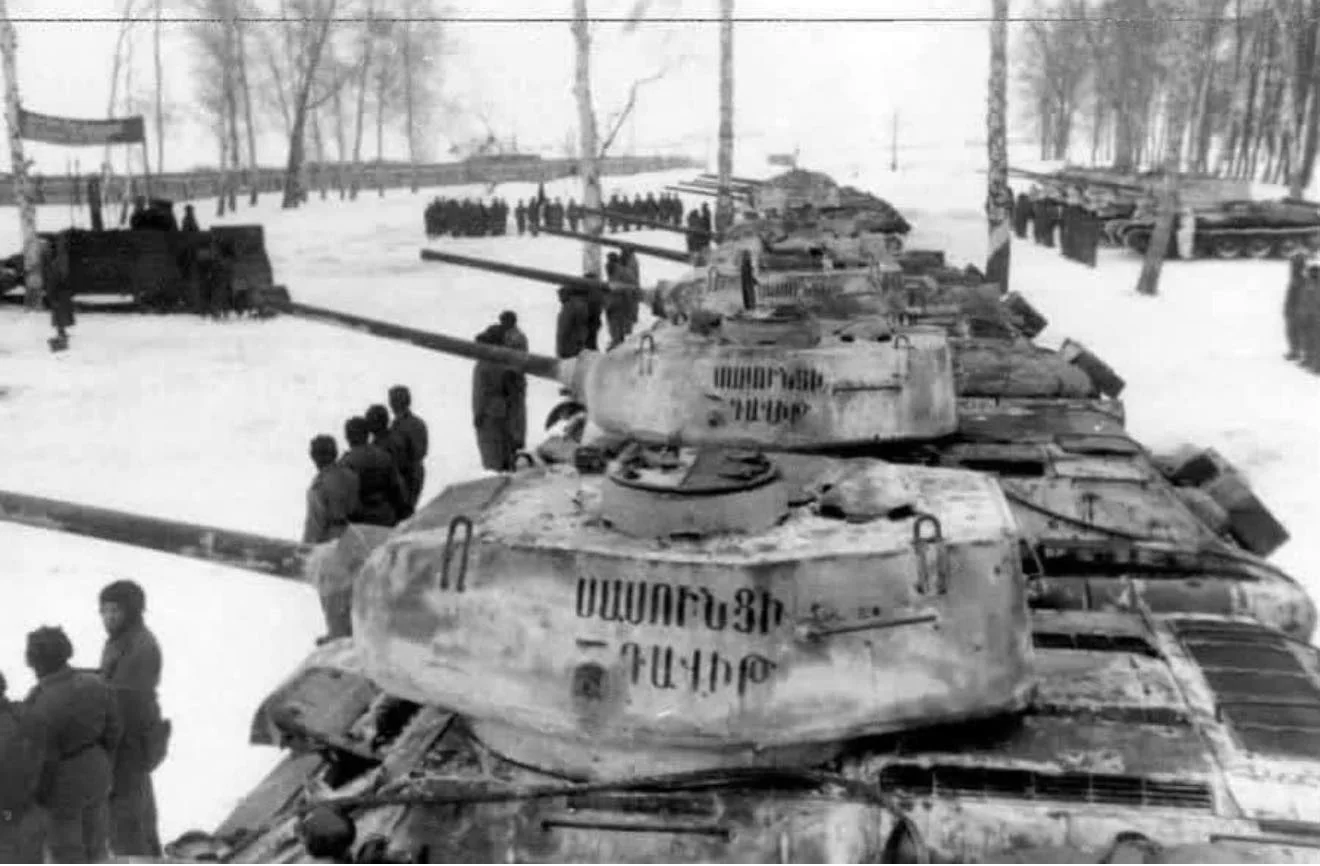
During the Second World War about 300,000 people left Armenia for the front, and more than half a million Armenians from the whole Soviet Union took part in the war. The total number of dead varies considerably between sources, but there was hardly a family in Armenia that did not suffer a loss. Armenian national divisions were formed; one of them, the 89th Tamanyan Division, fought in the Caucasus and the Crimea and reached Berlin. Hovhannes (Ivan) Bagramyan commanded a front and later became a Marshal of the Soviet Union, Hovhannes (Ivan) Isakov became Admiral of the Fleet, and Hamazasp Babajanyan became known as a commander of tank forces. With money collected by diaspora Armenians and the Church, the “David of Sasun” tank column was built.
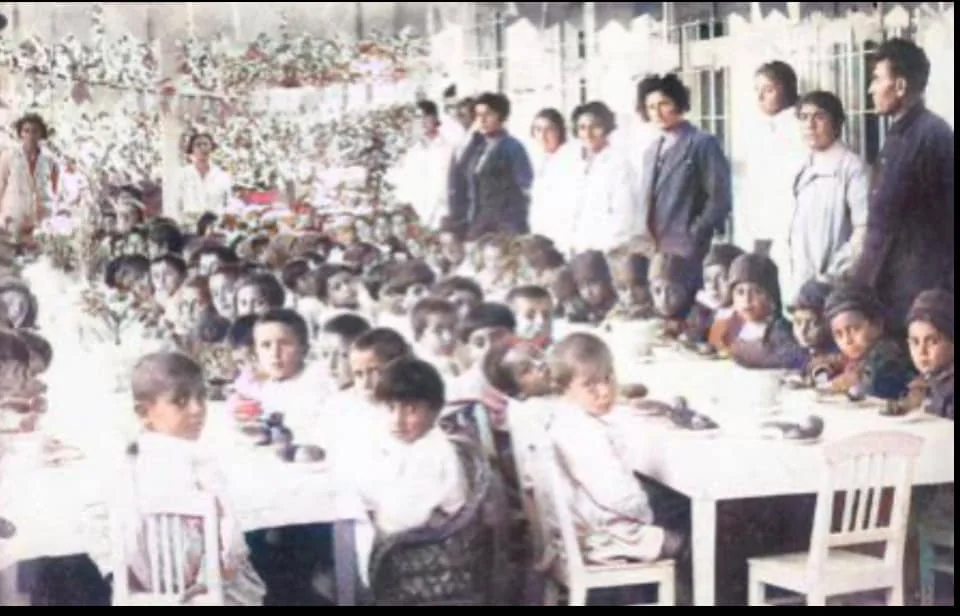
After the war the Soviet authorities sought to win over the diaspora. In 1945 Catholicos Gevorg VI was elected in Etchmiadzin, and soon a repatriation was announced. In 1946–1949 about 100,000 Armenians came to Armenia from Syria, Lebanon, Iran, Greece, France, Egypt, the United States and other countries. Many faced hardship and mistrust, and some of them were deported in 1949. After Stalin’s death the atmosphere eased, most of those unjustly convicted were rehabilitated, and in 1955 Vazgen I was elected Catholicos; he led the Armenian Apostolic Church for almost 40 years.
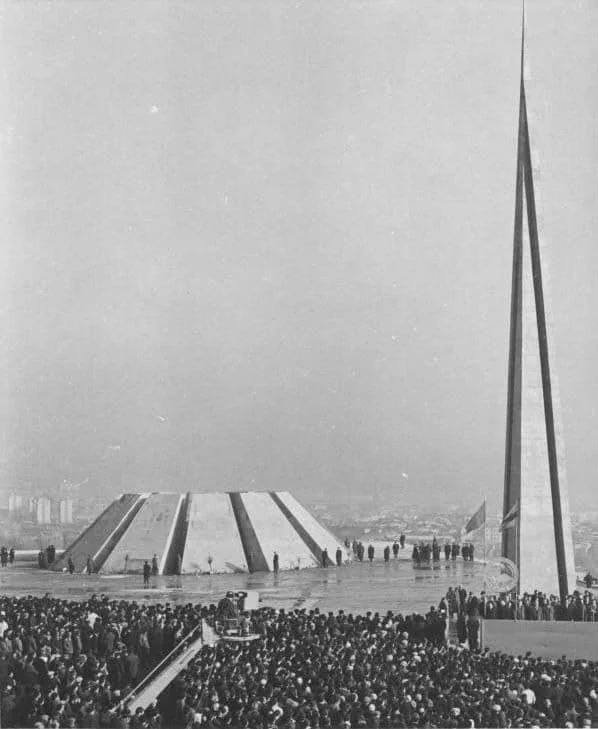
On 24 April 1965, the 50th anniversary of the Armenian Genocide, tens of thousands of people took to the streets of Yerevan, demanding an official commemoration of the victims. Such a spontaneous mass demonstration was a rare event under Soviet conditions. Afterwards the authorities decided to build a memorial on the hill of Tsitsernakaberd, which opened in 1967.
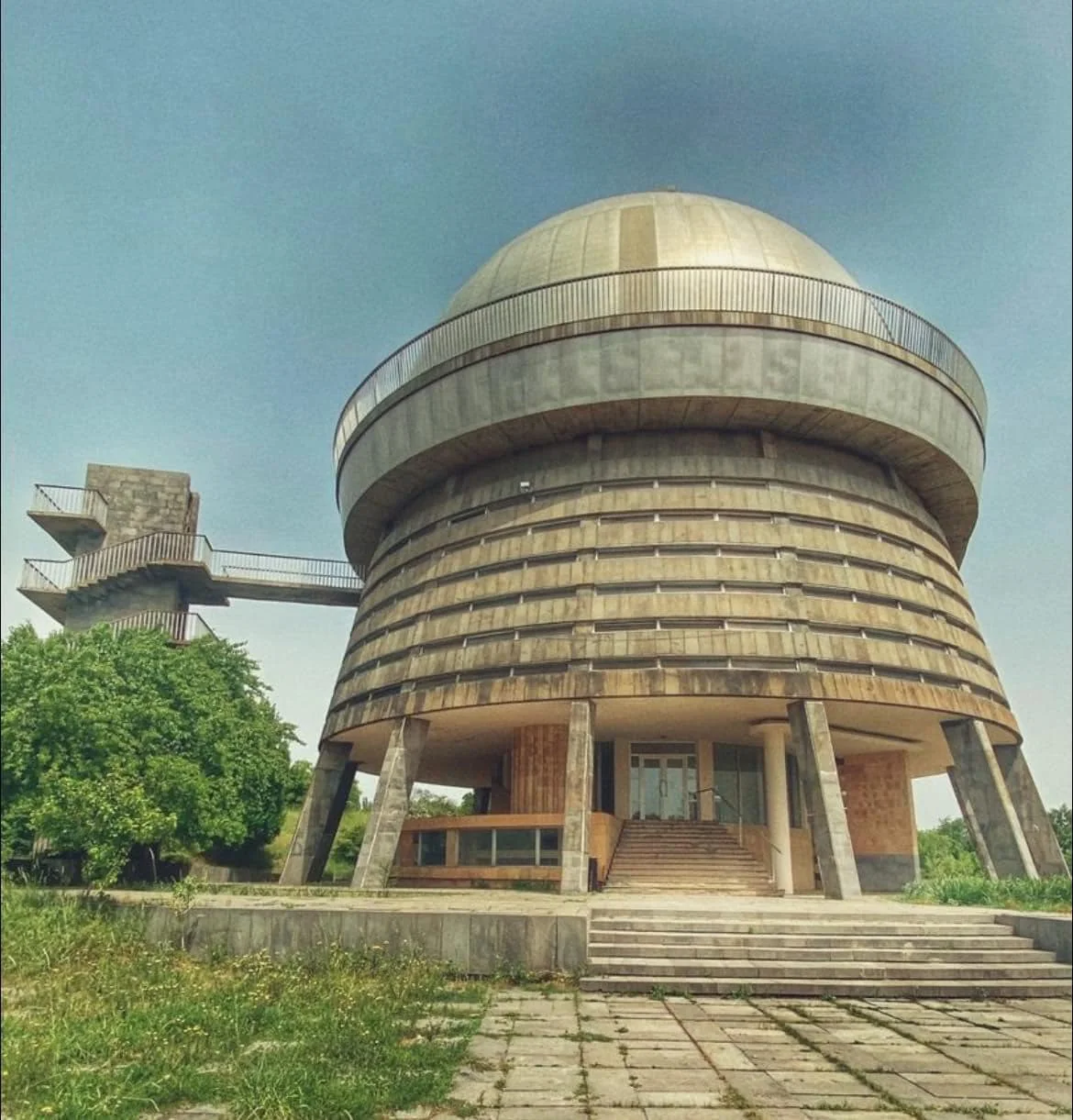
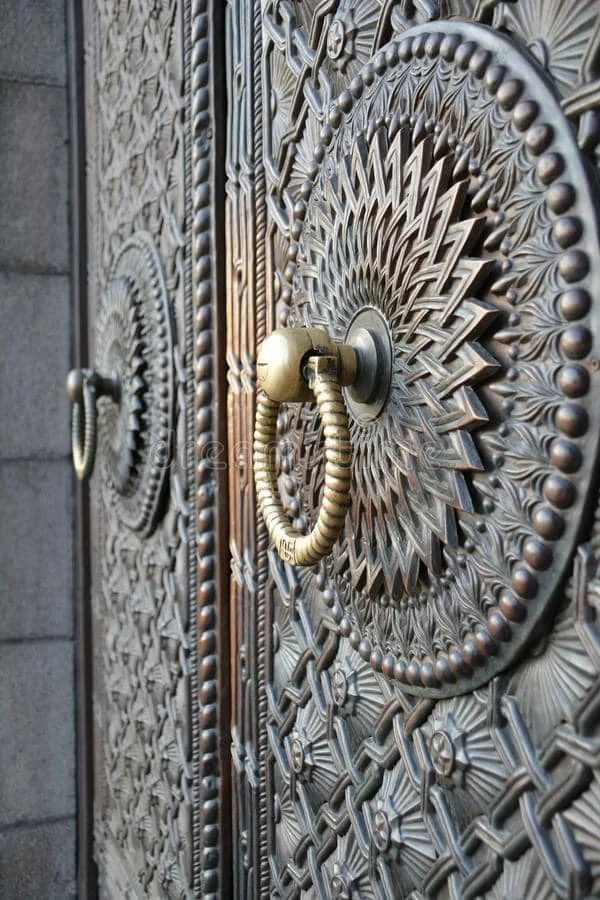
Soviet Armenia became an important centre of science and culture. The Academy of Sciences was founded in 1943, and in 1946 the astrophysicist Viktor Ambartsumian founded the Byurakan Observatory, which gained international recognition. In 1959 the collection of ancient manuscripts was housed in a purpose-built building, and the Mashtots Matenadaran, the Institute of Ancient Manuscripts, was established. The composer Aram Khachaturian, the painter Martiros Saryan, the film director Sergei Parajanov and many others were at work. The Soviet period brought rapid development of education, science and urban life, but also the absence of political freedoms, and with this double legacy Armenia entered the period of great change of the late 1980s.