At the end of the 17th century Armenia was divided between the Ottoman Empire and Safavid Persia, and no Armenian state existed. Local princely houses had nevertheless survived: the meliks of Syunik and Artsakh, who kept their own armed forces and a degree of self-rule. Church leaders, meliks and merchants became convinced that liberation was possible only with the help of Christian powers. In 1677 Catholicos Hakob Jughayetsi convened a secret council in Etchmiadzin (Vagharshapat), which decided to ask Europe for help. Among the members of the delegation was the young Israel Ori, a descendant of a melik family of Syunik.
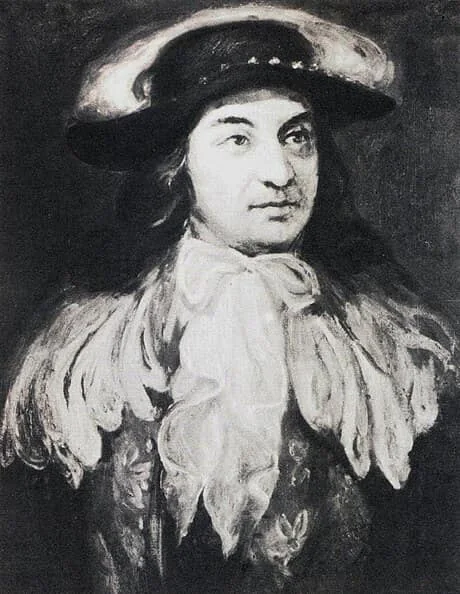
Israel Ori (1658–1711) spent many years in Europe. He served in the French army and then found a patron in Johann Wilhelm, Elector Palatine, to whom he presented a plan for the liberation of Armenia. In 1699 a meeting of the meliks of Syunik in the village of Angeghakot authorised him to negotiate with the European courts. Finding no support in Europe, Ori turned to Russia and presented himself to Peter I. In 1707–1711 he travelled to Persia on a Russian mission, accompanied by Minas Vardapet, but he died in Astrakhan without carrying out his plan. Even so, his work laid the foundation for Armenian–Russian contacts that continued into the next century.
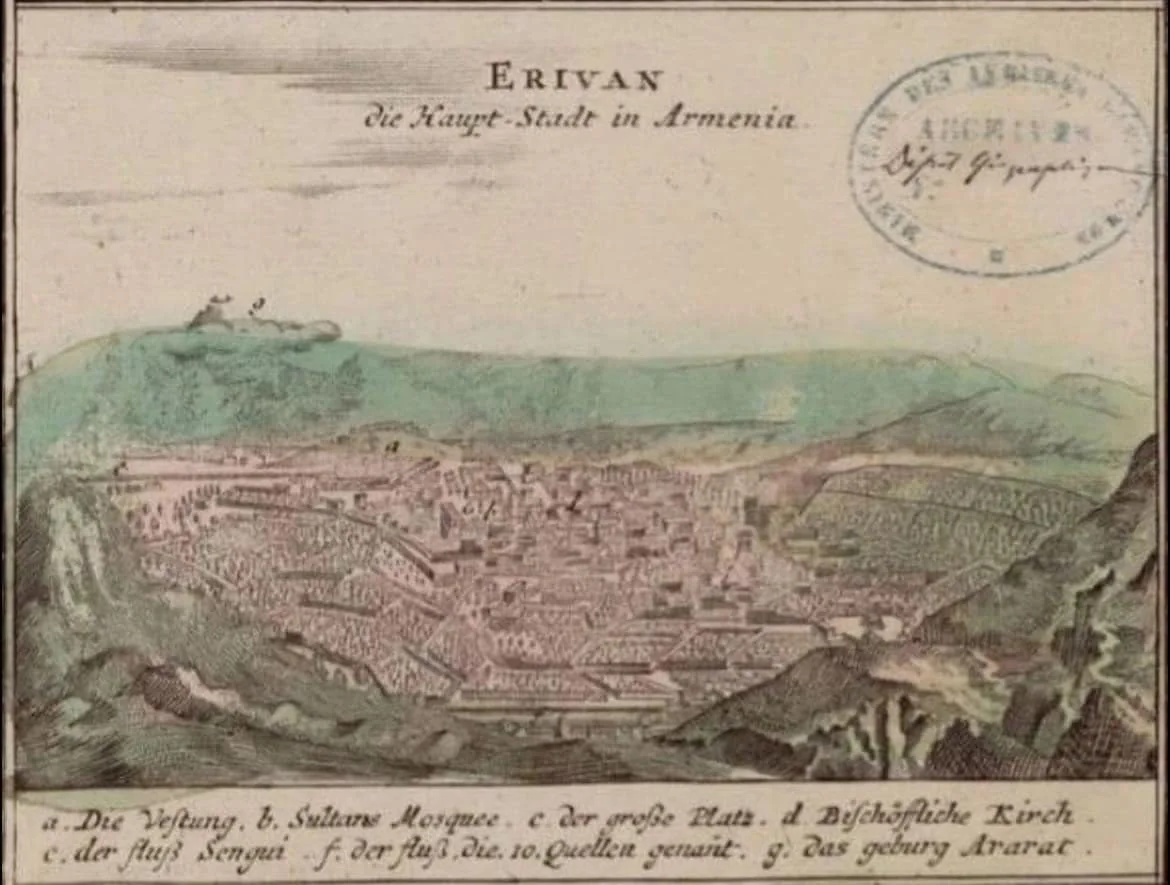
In the early 1720s the Safavid state was weakened by an Afghan revolt, and the South Caucasus became an arena of rivalry. In 1722 Peter I launched his Caspian campaign, and Armenian and Georgian forces gathered near Gandzak (Ganja) to await the Russian army, but it never reached the South Caucasus. In 1724 Russia and the Ottoman Empire signed a treaty in Constantinople (Istanbul) on dividing the northern lands of Persia, and Ottoman troops entered Eastern Armenia. Yerevan fell the same year after a long siege.
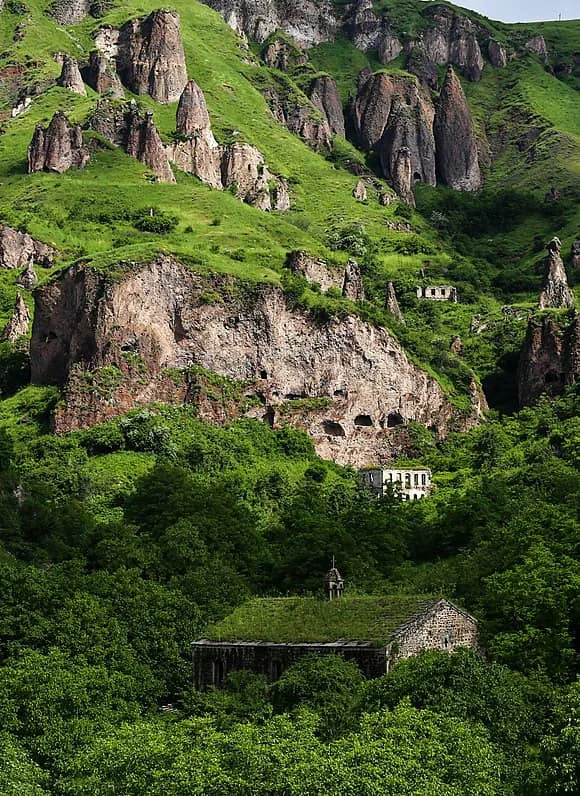
At that time an armed struggle broke out in Syunik, led by Davit Bek. He came from Georgia in 1722, where he had served King Vakhtang VI of Kartli, and united the local detachments. The people of Syunik defended themselves first against local khans and then against Ottoman troops. In 1727 the defence of the fortress of Halidzor became the best-known episode of this struggle. Davit Bek died in 1728, and the struggle was continued by his comrade-in-arms Mkhitar Sparapet. In 1730 Mkhitar was killed in Khndzoresk, and the movement faded. This struggle, which lasted about 10 years, remained in the memory of contemporaries and later generations as an example of self-defence.
In the same period 5 melikdoms existed in Artsakh — Gulistan, Jraberd, Khachen, Varanda and Dizak — known as the “Melikdoms of Khamsa”. In the 1720s the people of Artsakh also waged an armed struggle, and one of the meliks’ centres was Gandzasar, the seat of the Catholicosate of Aghvank. Under Nader Shah (1736–1747) the meliks kept considerable autonomy. From the middle of the 18th century Panah Khan built the fortress of Shushi, and the Karabakh Khanate that took shape gradually curtailed the meliks’ power. In the 1780s the meliks and the Catholicos of Gandzasar established contacts with Russia, but these plans too remained unfulfilled, and a number of melik families were forced to leave the country.
Hopes of liberation were also born in the diaspora. Joseph Emin (1726–1809), born in Hamadan, went to London as a young man, received a military education and took part in the Seven Years’ War. With the support of British circles, and later of King Erekle II of Georgia, he tried to rouse the Armenians, but in the 1760s his efforts found little response. He described his life in an autobiography written in English and published in 1792. In India, in Madras (Chennai), a circle of Armenian merchants that included Shahamir Shahamirian published works in the 1770s on the structure of a future Armenian state, and in 1794 the first Armenian periodical, Azdarar, appeared there.
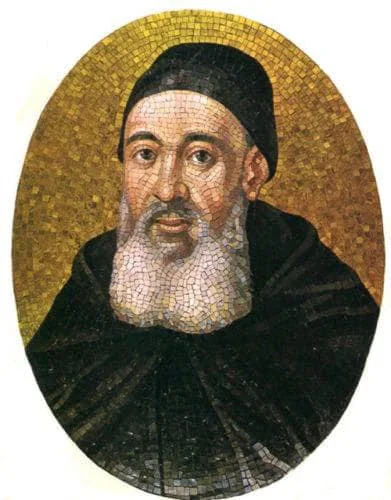
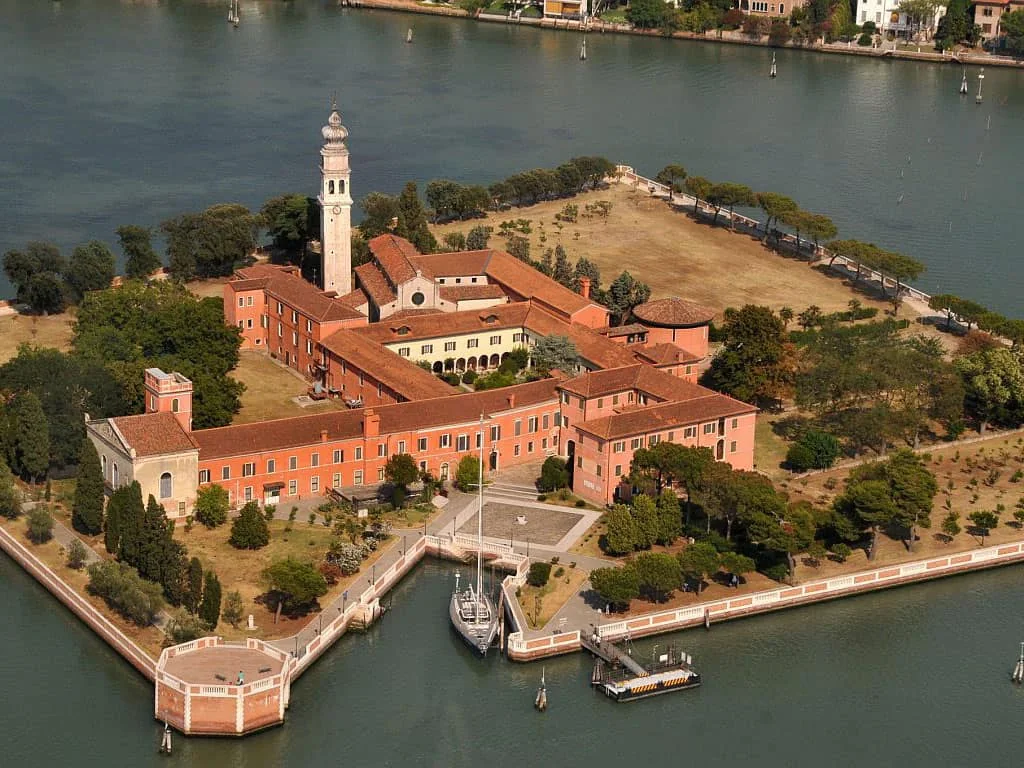
The cultural revival gained new strength thanks to the Mekhitarist Congregation, an Armenian Catholic monastic order. Mkhitar Sebastatsi (1676–1749) founded the congregation in Constantinople in 1701, and in 1717 it settled on the island of San Lazzaro in Venice. The Mekhitarists collected and published ancient manuscripts, compiled dictionaries and grammars, and translated European literature. A member of the congregation, Mikayel Chamchian, published his 3-volume History of Armenia in 1784–1786. Thus in the 18th century, while political liberation was still out of reach, the ideas and educational foundations took shape that influenced the Armenian national awakening of the following century.