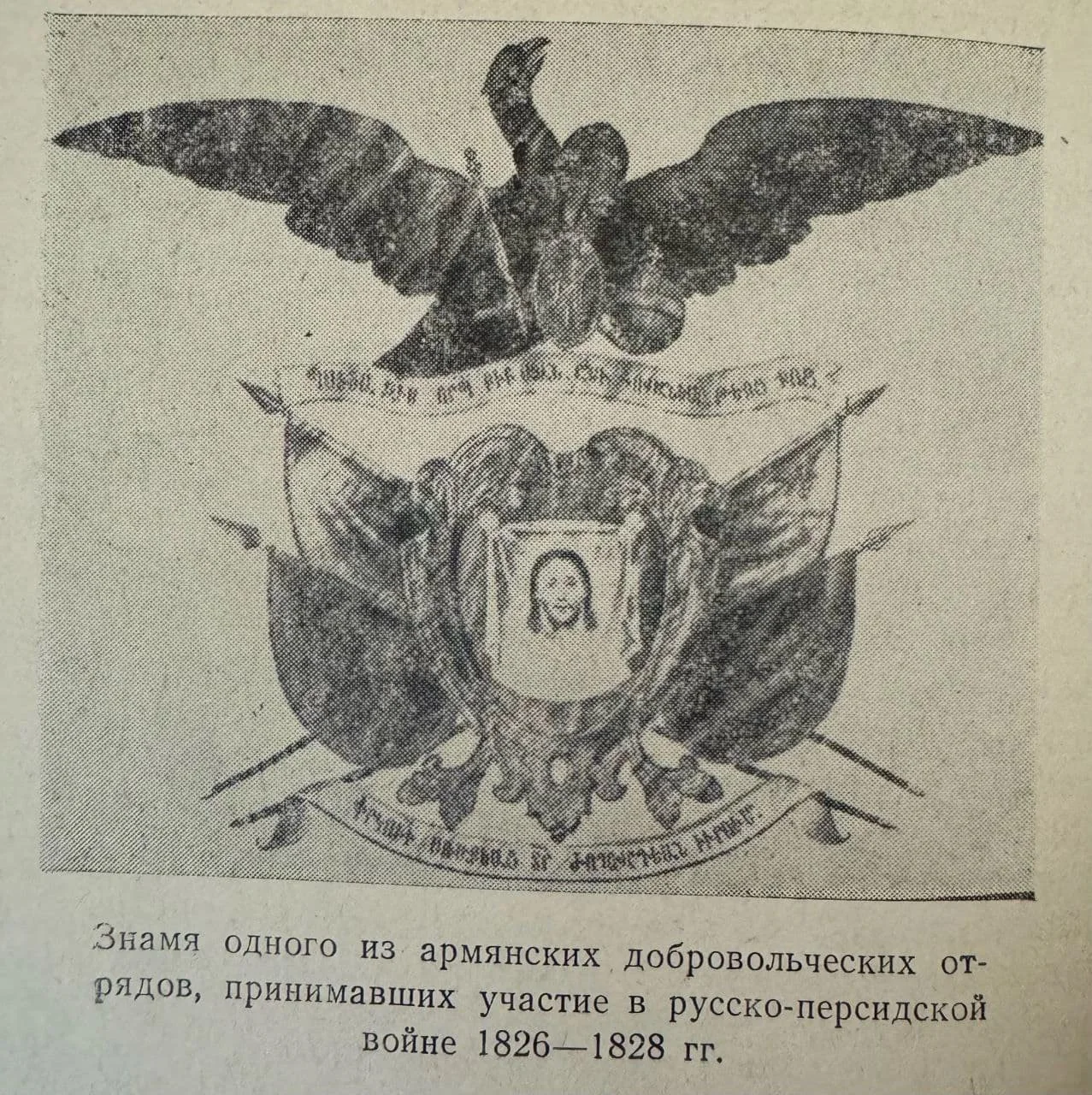
At the beginning of the 19th century the Russian Empire established itself in the South Caucasus. In 1801 Eastern Georgia was annexed to Russia, and Tiflis (Tbilisi) became the centre of Russian administration in the region. After the Russo-Persian war of 1804–1813, under the Treaty of Gulistan, the Karabakh Khanate and other khanates passed to Russia. The khanates of Yerevan and Nakhijevan (Nakhchivan) still remained under Persian rule. Many Armenians saw in the Russian advance a chance to gain the protection of a Christian power and took part in the fighting in volunteer detachments.
In the war of 1826–1828, Russian troops under General Ivan Paskevich took the fortress of Yerevan in October 1827. Nerses Ashtaraketsi, head of the Armenian diocese of Tiflis, played a major role in organising the Armenian volunteers. Under the Treaty of Turkmenchay, signed in February 1828, the khanates of Yerevan and Nakhijevan passed to Russia, and the Armenian Oblast was created on their basis. The treaty allowed the movement of population, and tens of thousands of Armenians from Persia resettled in Eastern Armenia. After the Russo-Turkish war of 1828–1829, many Armenians from Karin (Erzurum) and other places also moved within the Russian borders, mainly to Javakhk and Shirak.
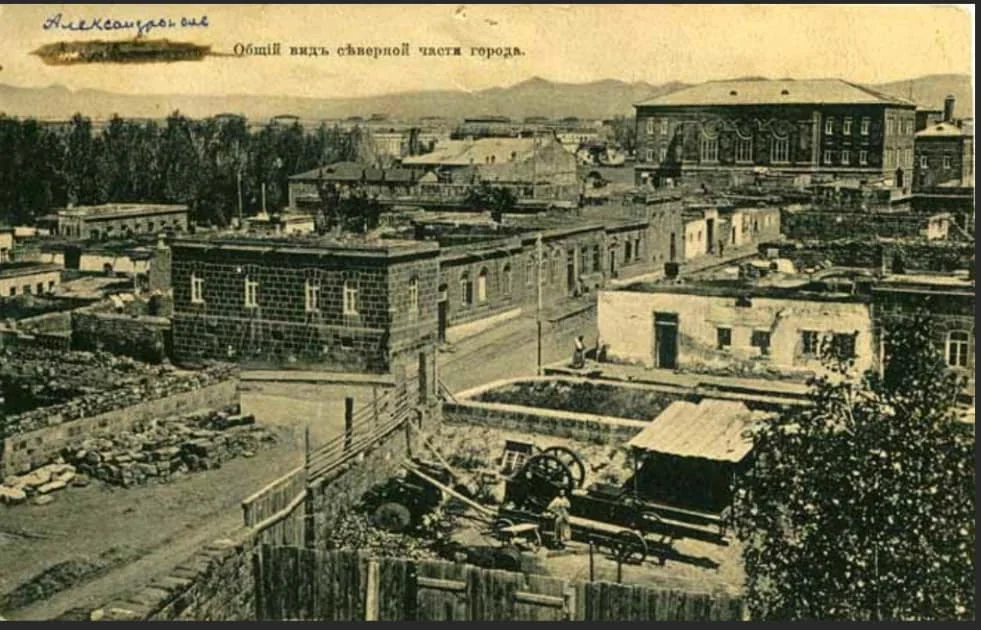
The Armenian Oblast existed until 1840, when it was abolished in an administrative reform, and in 1849 the Erivan Governorate was created. Yerevan, formerly the seat of a khan, gradually turned into a provincial town. In 1837, after a visit by Emperor Nicholas I, Gyumri was renamed Alexandropol, and a large military fortress was built there. Alexandropol (Gyumri) grew quickly as a centre of crafts and trade. The Polozhenie of 1836 regulated the status of the Armenian Apostolic Church in the empire, preserving the role of the Catholicosate of Etchmiadzin but placing it under state supervision.
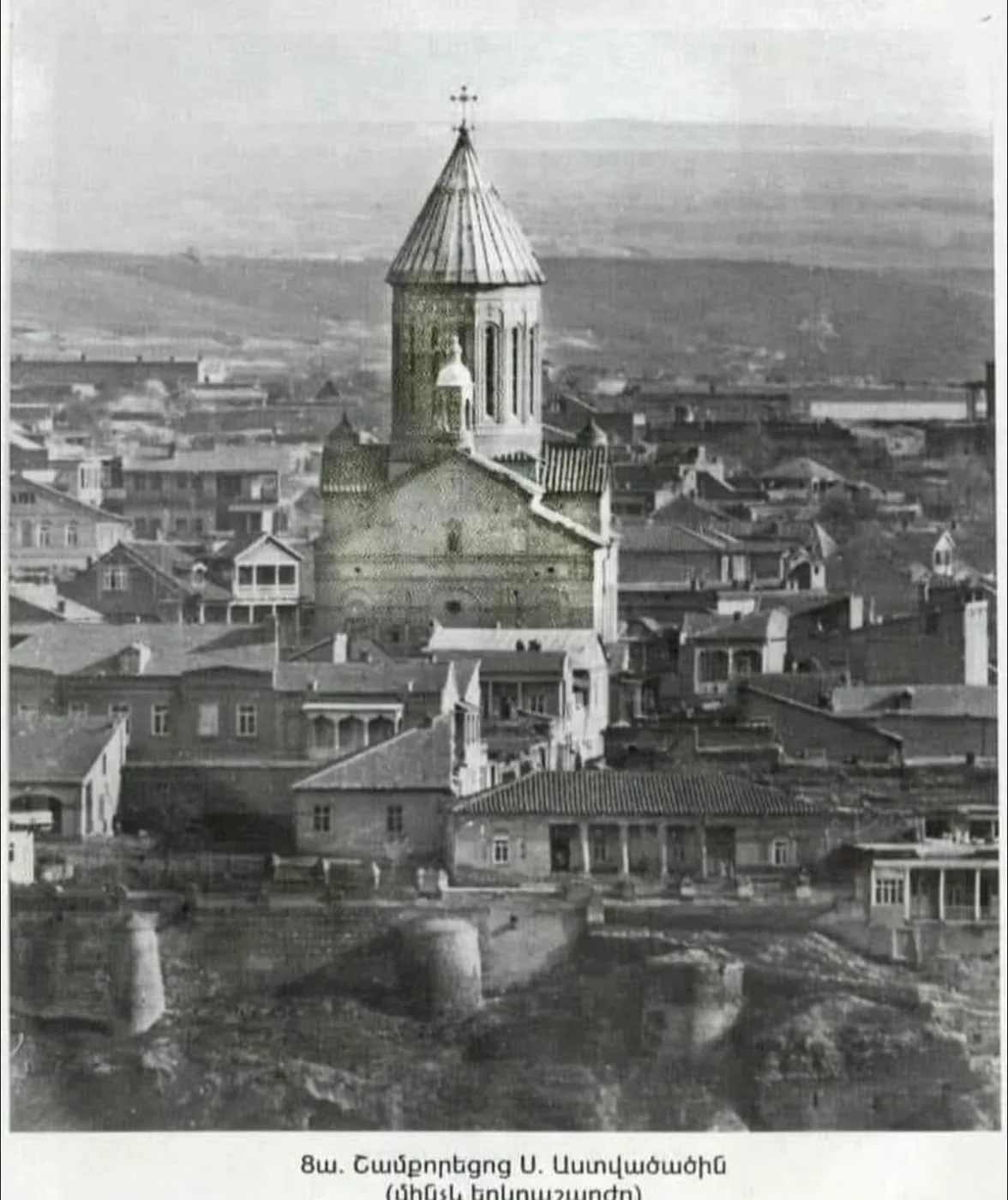
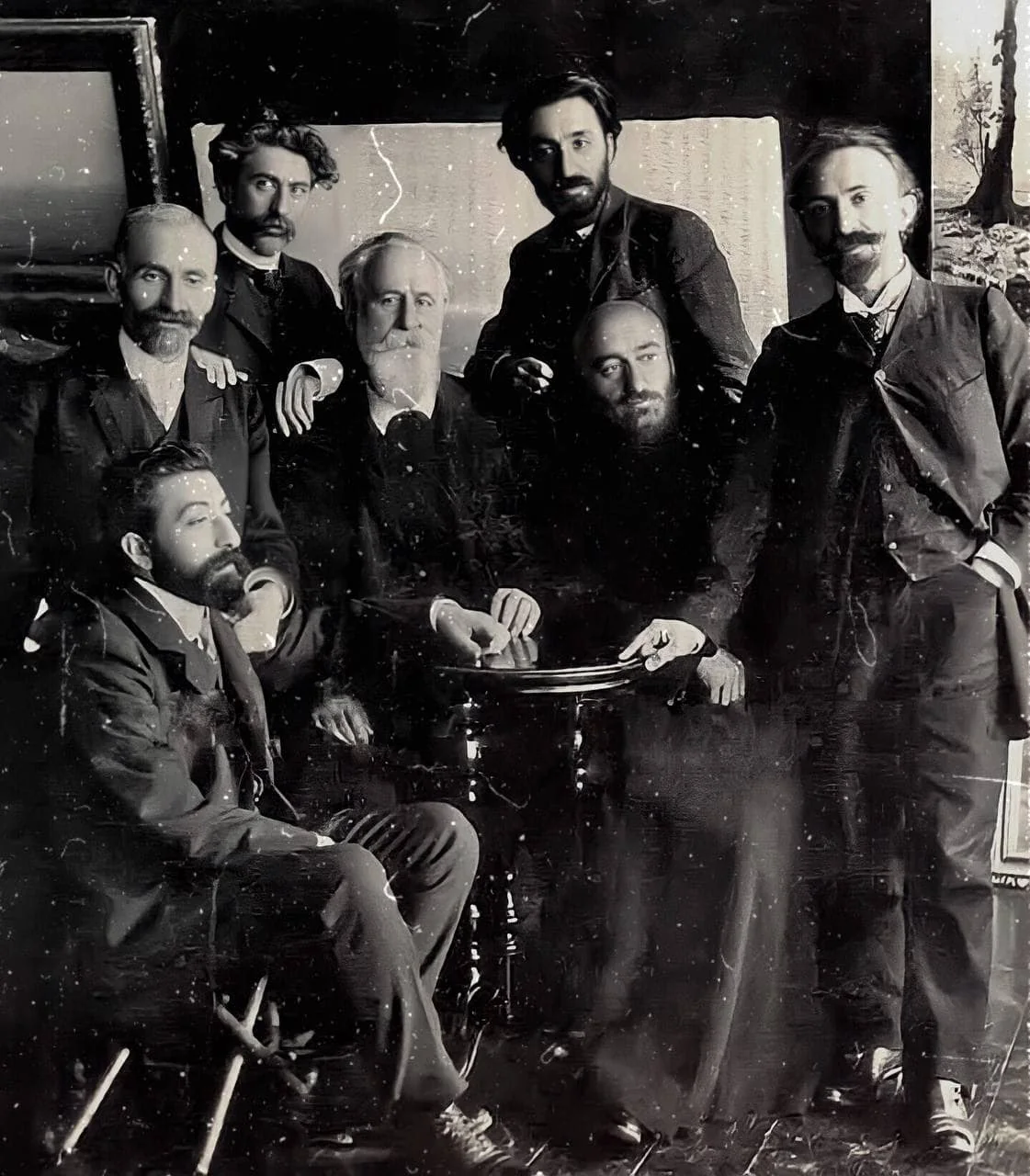
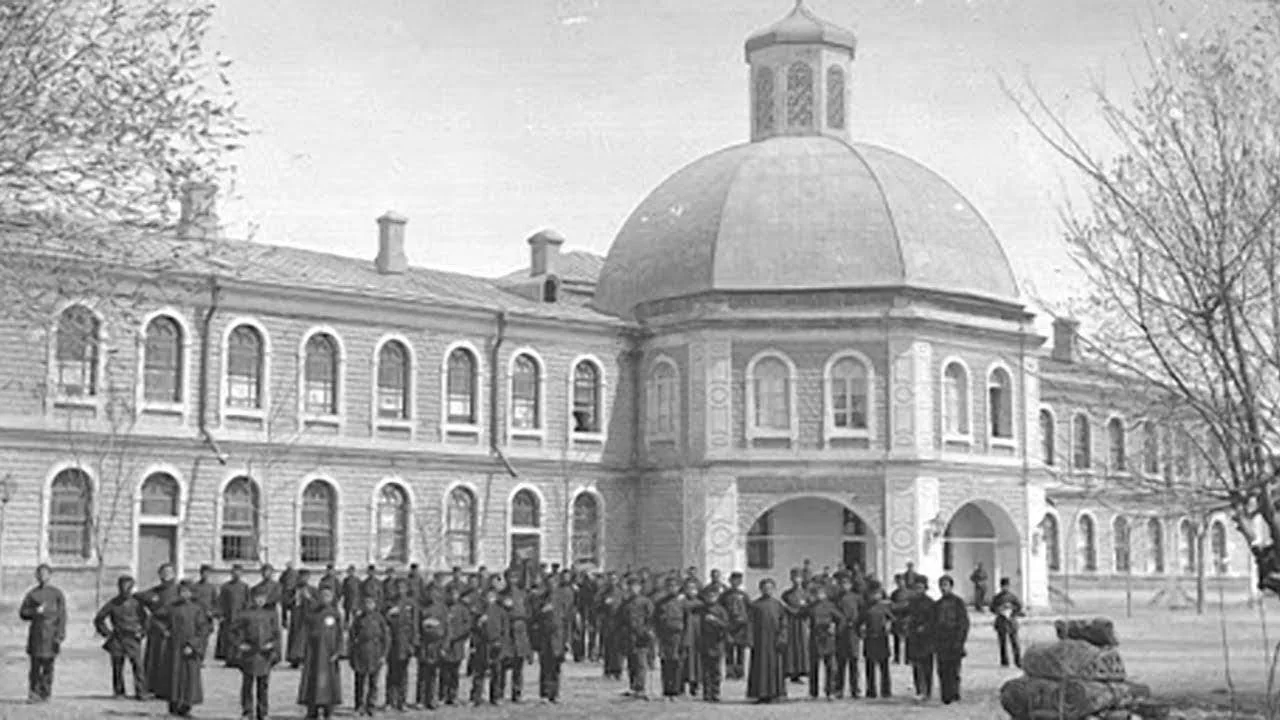
Tiflis became one of the main centres of Armenian culture and public life. Armenians made up a large part of its population and held a prominent place in trade and industry. In 1824, on the initiative of Nerses Ashtaraketsi, the Nersisian School opened there, and for decades it educated generations of Armenian intellectuals. In Moscow the Lazarev family founded the Lazarev Institute in 1815, which became an important centre of Oriental and Armenian studies. Armenian newspapers and journals were published in Tiflis, among them Grigor Artsruni’s Mshak (1872), and an Armenian theatre was active. Raffi, Gabriel Sundukian, Hovhannes Tumanyan and many others lived and worked there.
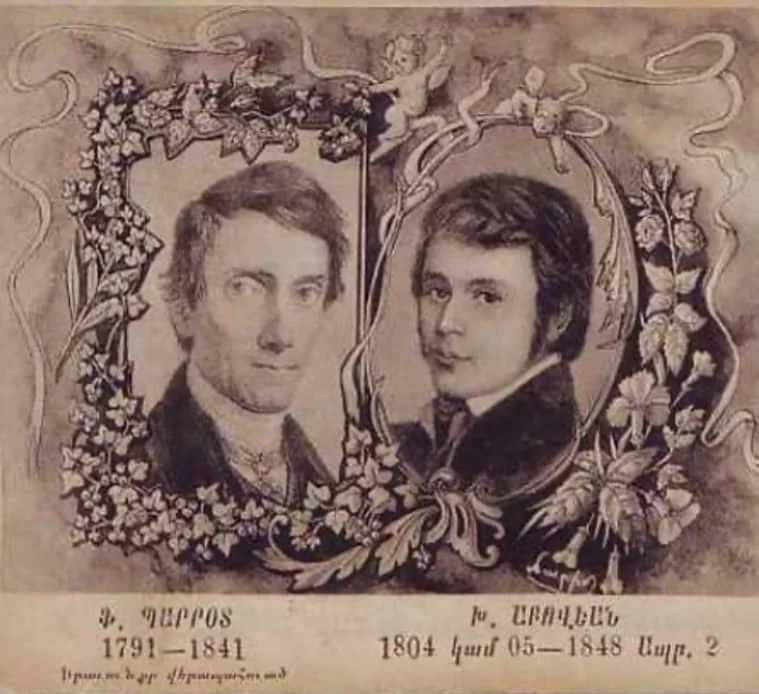
One of the founders of modern Armenian literature was Khachatur Abovian (1809–1848). In 1829 he accompanied the German scientist Friedrich Parrot on the first known ascent of Mount Ararat, and then studied at the University of Dorpat. His novel Wounds of Armenia, written in the early 1840s and published in 1858, was one of the first works written in an Armenian close to the spoken language of the people. In the second half of the 19th century the modern Eastern Armenian literary language took shape, and in 1874 the Gevorgian Seminary opened in Etchmiadzin. At the same time the imperial authorities sometimes restricted Armenian education: Armenian schools were temporarily closed in 1885 and 1896, and in 1903 church property was confiscated, to be returned only in 1905.
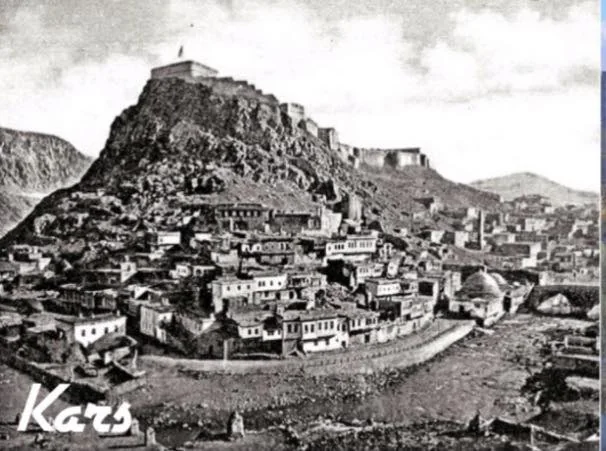
In the Russo-Turkish war of 1877–1878, commanders of Armenian origin distinguished themselves on the Caucasian front: Mikhail Loris-Melikov, Ivan Lazarev and Arshak Ter-Gukasov. In November 1877 Russian troops took the fortress of Kars by storm. After the war the Kars Oblast became part of the Russian Empire. In 1899 a railway linked Tiflis with Kars through Alexandropol, and in 1902 it reached Yerevan. For Western Armenians this war opened the “Armenian Question”, which is the subject of the next chapter.
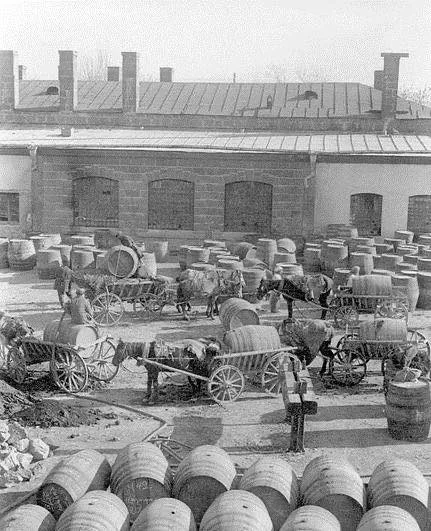
At the turn of the century Eastern Armenia remained mainly an agricultural country, but winemaking and copper mining in Alaverdi and Zangezur were developing, and Armenian entrepreneurs played a large role in the Baku oil industry. Armenian political parties were formed, and national consciousness grew. In 1905–1906, amid the crisis of the empire, clashes broke out in the South Caucasus between Armenians and Caucasian Tatars (Azerbaijanis), claiming many lives on both sides. On the eve of the First World War, despite serious difficulties, Eastern Armenia had become one of the most stable centres of Armenian national life.