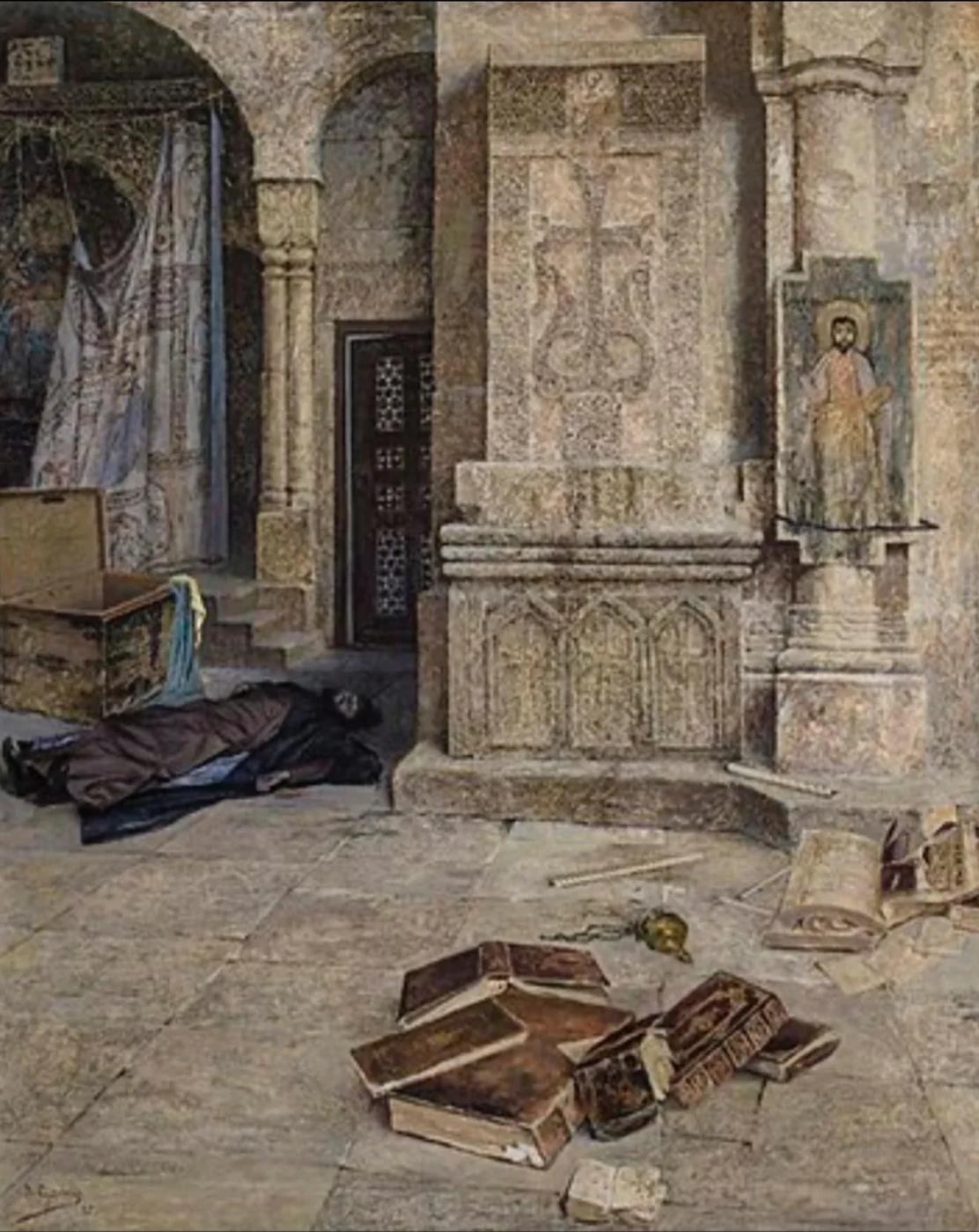
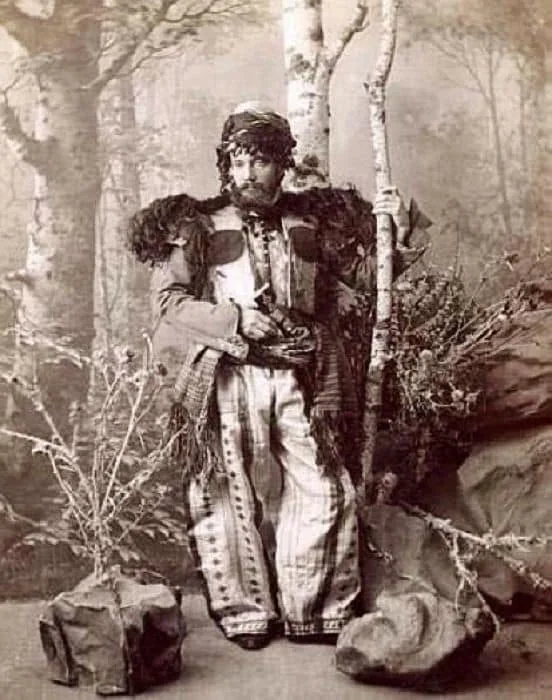
In the 19th century Western Armenia and Cilicia were part of the Ottoman Empire. Armenians lived both in the eastern provinces — in Van, Karin (Erzurum), Mush, Baghesh (Bitlis) and Kharberd (Harput) — and in Constantinople (Istanbul), Cilicia and other cities of the empire. In the provinces many peasants suffered from arbitrary taxes, land disputes and pressure from Kurdish tribal chiefs, while the inequality of Christians before the law persisted despite the Tanzimat reforms. The Armenian National Constitution, approved in 1863, regulated the internal life of the Armenian community around the Patriarchate of Constantinople.
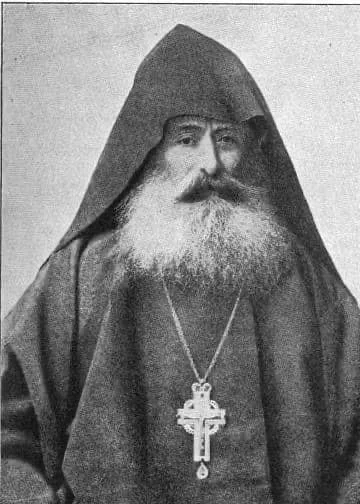
After the Russo-Turkish war of 1877–1878, Article 16 of the Treaty of San Stefano, signed in March 1878, required the Ottoman government to carry out reforms in the Armenian-populated provinces, while Russian troops were to remain there until the reforms were implemented. In July of the same year the Congress of Berlin revised the treaty. Article 61 kept the obligation to carry out reforms but entrusted its supervision to the Great Powers, without any practical guarantee. The Armenian delegation, led by Mkrtich Khrimian (Khrimian Hayrik), returned disappointed. Tradition attributes to his sermon the parable of the “iron ladle” — the idea that promises on paper cannot protect a people. From that time the “Armenian Question” became part of international diplomacy.
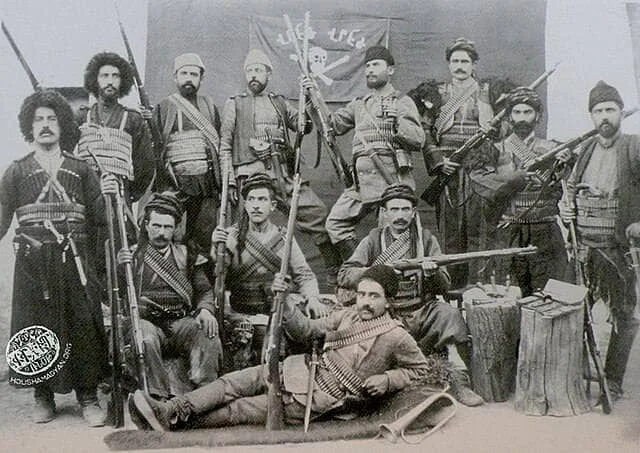
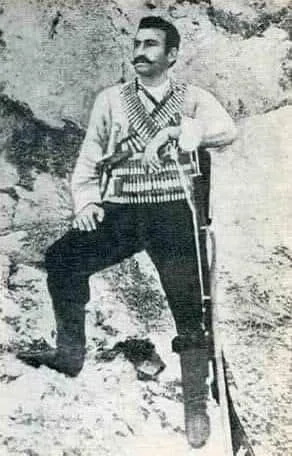
In the 1880s Armenian political parties were born. In 1885 the Armenakan Party was founded in Van, influenced by the teacher Mkrtich Portugalian. In 1887 the Hnchakian Party was founded in Geneva, and in 1890 the Armenian Revolutionary Federation (Dashnaktsutyun) in Tiflis (Tbilisi). They sought to protect the Armenian population and to achieve reforms or autonomy, although they differed in ideology and methods. Armed groups, the fedayis, operated in the provinces. The government saw this movement as a threat, and the irregular Hamidiye cavalry regiments, created in 1891 and recruited mainly from Kurds, were often used against Armenian villages.
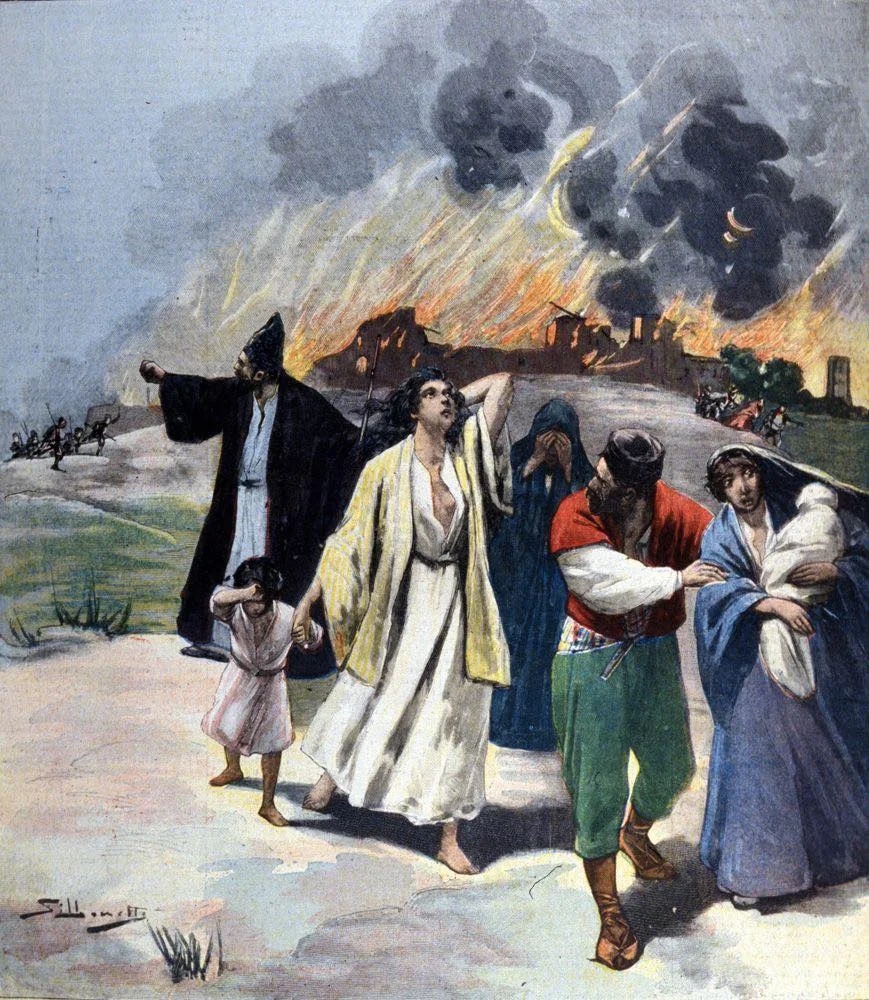
In 1894 in Sasun (Sason), Armenian mountaineers who had refused to pay double taxes resisted local oppression, and Ottoman troops and irregular units crushed them, destroying villages and killing many people. Under European pressure, Britain, France and Russia presented a reform programme in 1895, which Sultan Abdul Hamid II accepted in the autumn. Immediately afterwards, in 1895–1896, a wave of massacres swept through the eastern provinces, from Trebizond (Trabzon) to Tigranakert (Diyarbakır), Kharberd, Edessa (Urfa) and Karin. In August 1896, after members of the Dashnaktsutyun seized the Ottoman Bank, a massacre took place in Constantinople as well. Estimates of the number of victims vary, from about 100,000 to 300,000 people. In some places, such as Zeitun (Süleymanlı) and Van, Armenians organised self-defence.
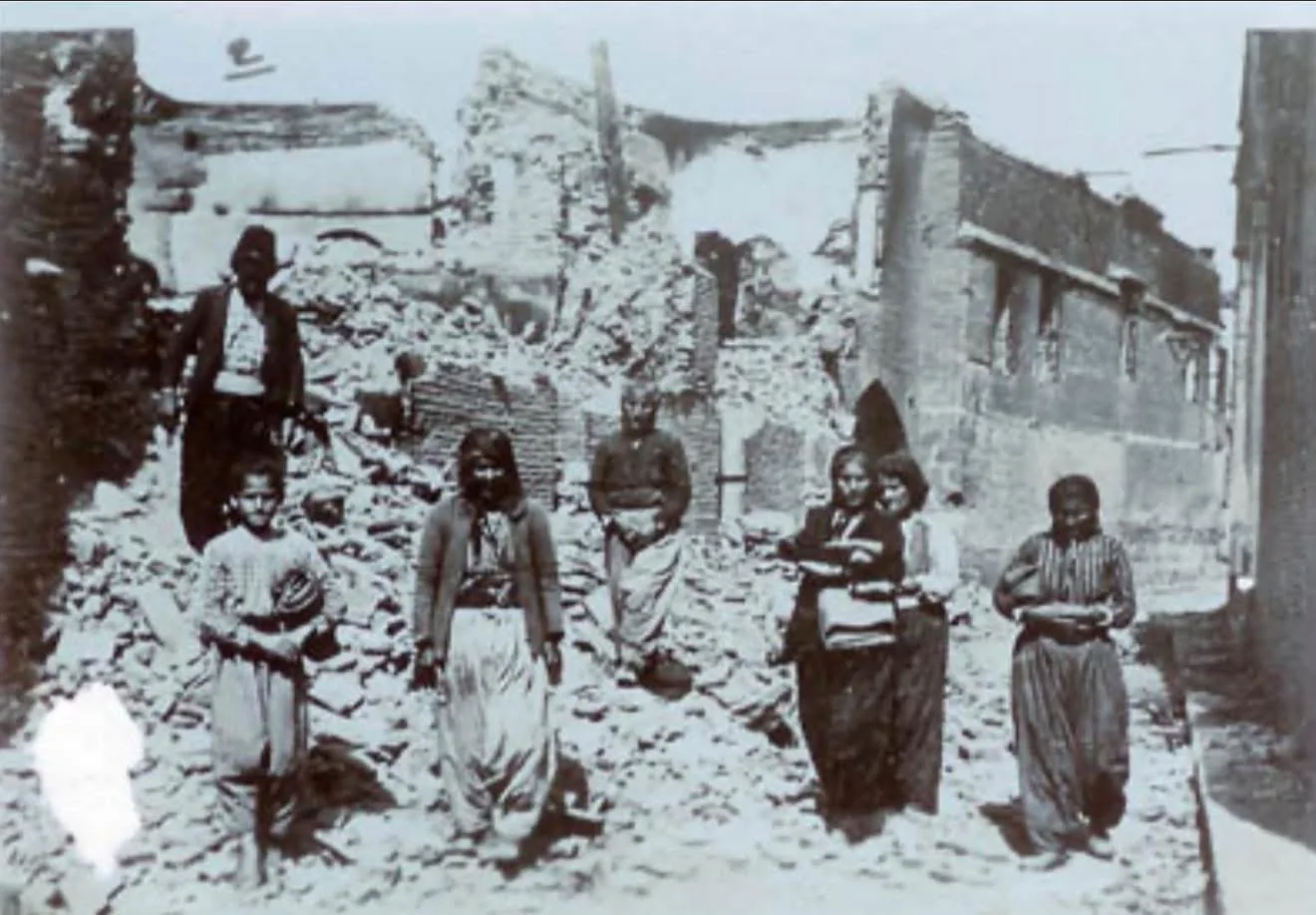
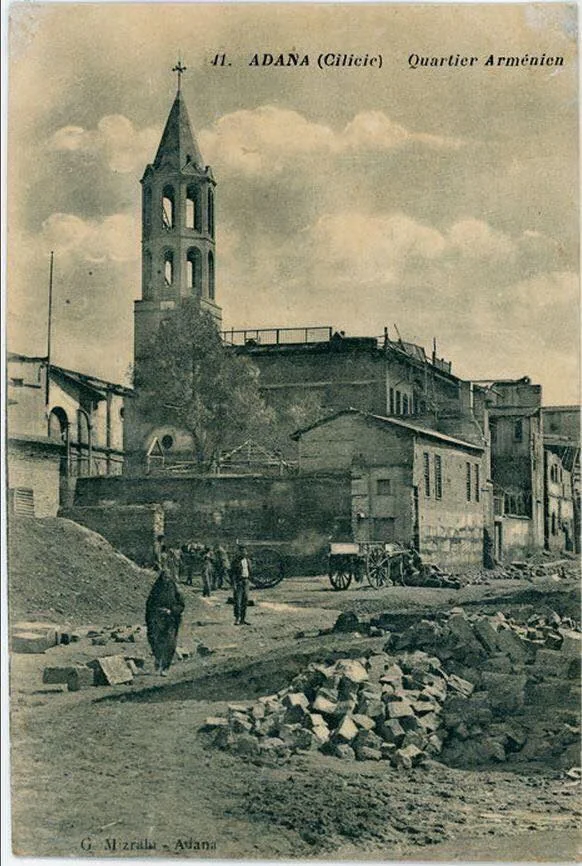
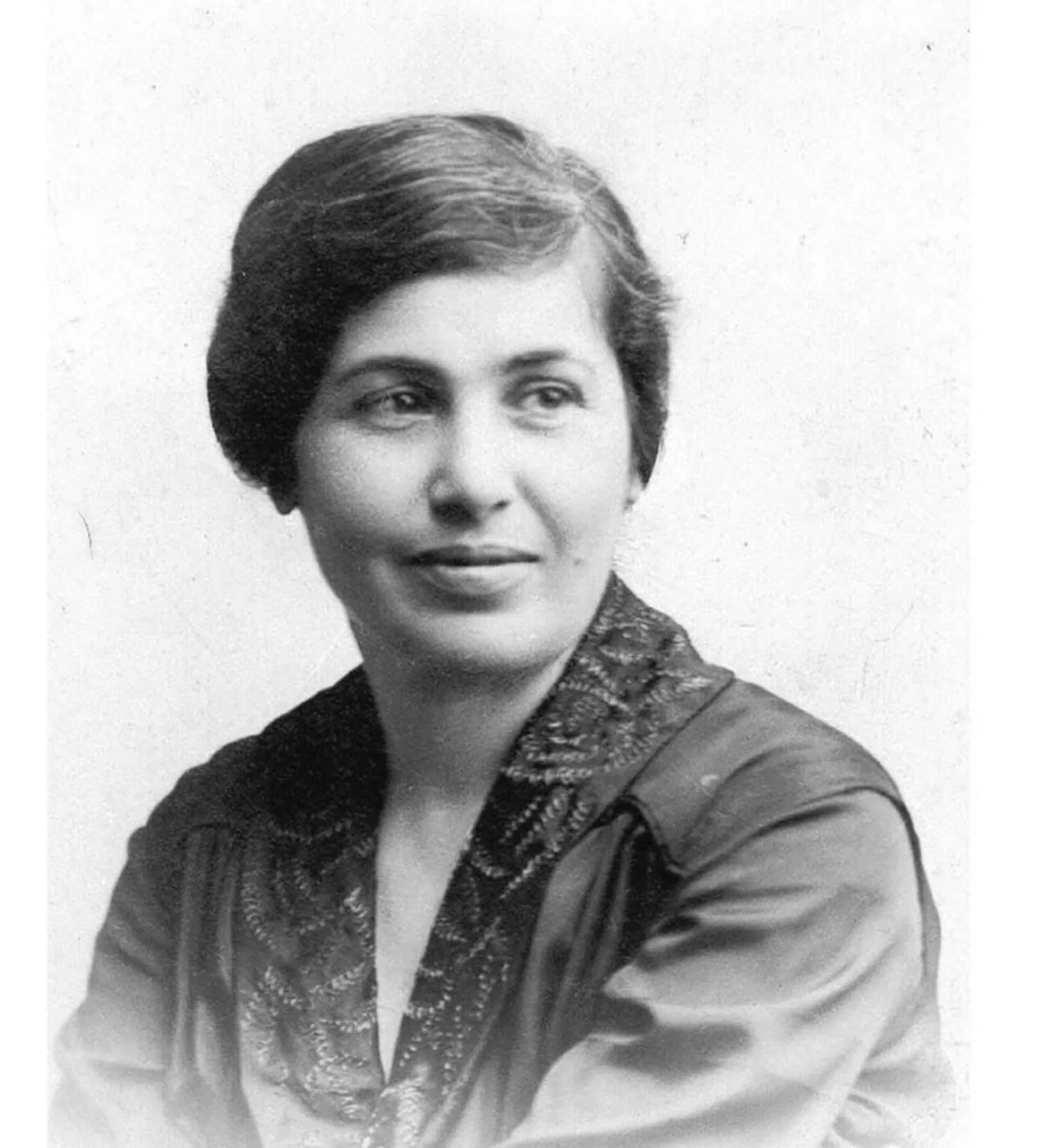
In 1908 the Young Turk revolution restored the constitution, and many Armenians hoped that an era of equality was beginning for all the peoples of the empire. Armenian deputies were elected to the Ottoman parliament, and some parties cooperated with the new authorities. But in April 1909, during a counter-revolutionary uprising in Constantinople, mass killings took place in Adana and other parts of Cilicia, claiming the lives of about 20,000–30,000 Armenians. The writer Zabel Yesayan, who visited the ruins after the massacres, described her impressions in the book In the Ruins. At the beginning of 1914, on Russia’s initiative, a new agreement on Armenian reforms was signed, providing for European inspectors to be appointed in the eastern provinces, but it was cancelled after the outbreak of war.
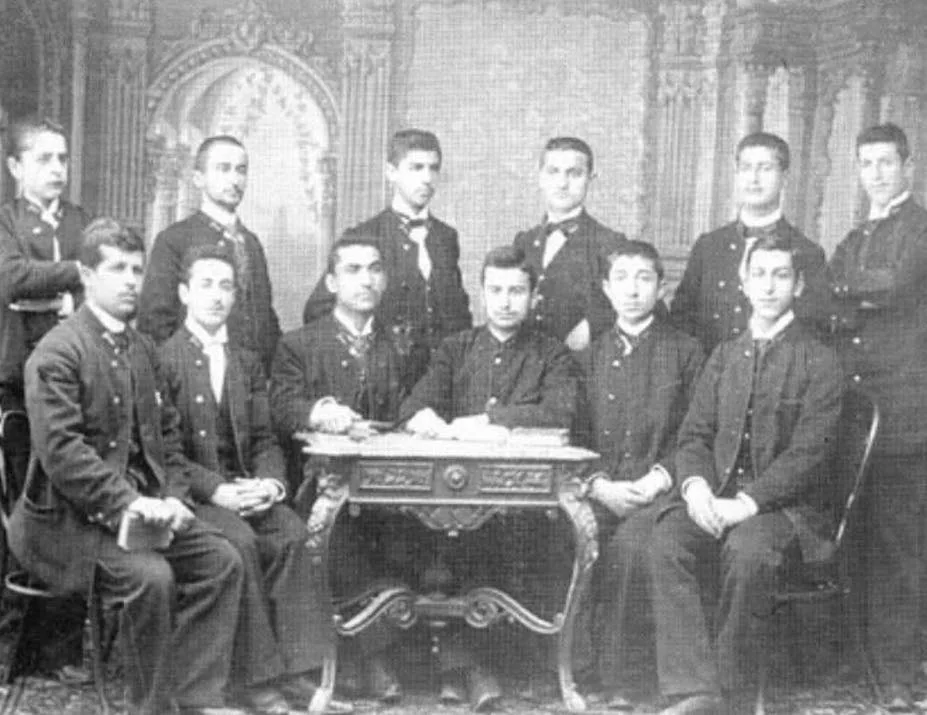
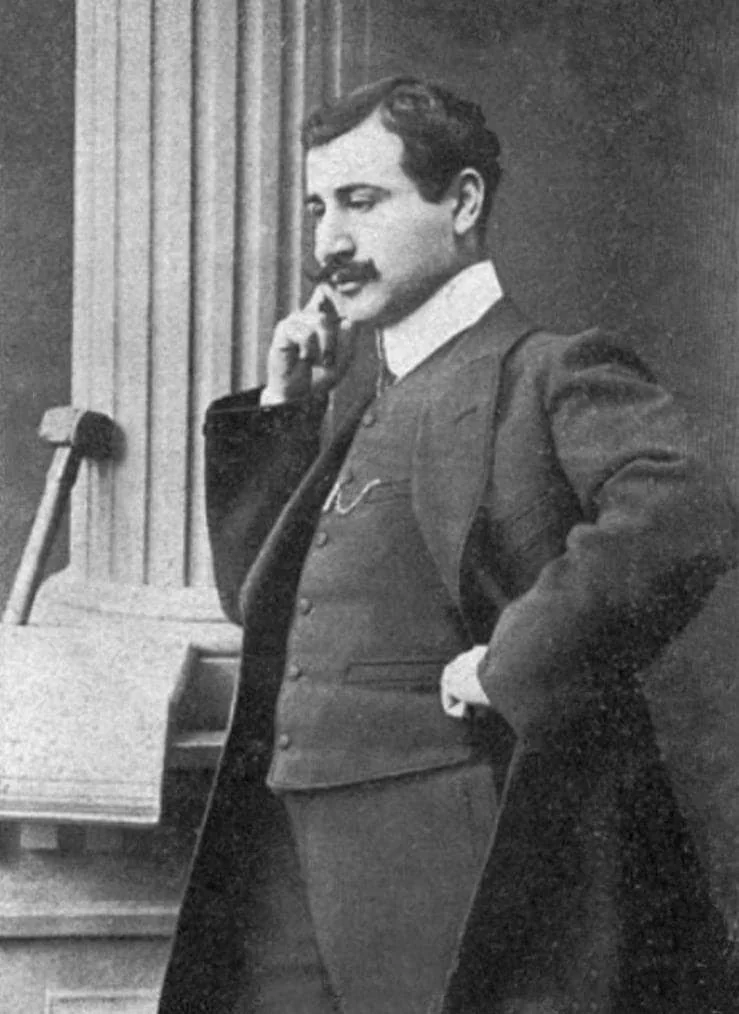
In these difficult years Western Armenian culture flourished. Constantinople, Smyrna (Izmir) and provincial towns had Armenian schools, newspapers, theatres and charitable societies. Schools and colleges in Van, Kharberd, Marash and Aintab, including those founded by American missionaries, educated thousands of children. In literature Hakob Paronyan, Grigor Zohrap, Siamanto, Daniel Varujan, Ruben Sevak and Zabel Yesayan stood out, while Komitas, who lived in Constantinople from 1910, collected and arranged Armenian folk songs. In this period the Western Armenian literary language reached its classical form. This flourishing life was abruptly cut short in 1915.