From 1236 Armenia was under Mongol rule, and from the mid-13th century it formed part of the Ilkhanate, the Mongol state based in Iran. The Mongols demanded submission, troops and taxes; after the census of 1254 the tax burden became very heavy. At the same time some Armenian princes, the Zakarians, Orbelians and Proshians, kept their domains by serving the khans, and merchants made use of the trade routes that crossed the Mongol world. At the end of the 13th century the Ilkhans adopted Islam, the position of Christians gradually worsened, and after 1335 the state fragmented.
At the end of the 14th century Armenia became the scene of the campaigns of Timur (Tamerlane). Between 1386 and 1403 his armies crossed the Armenian Highlands several times, destroying towns and villages and killing or enslaving many people. These disasters were described by the contemporary chronicler Tovma Metsopetsi. After Timur's death the country came under the rule of Turkmen tribal confederations, first the Kara Koyunlu and then the Ak Koyunlu. Some Armenian princes and merchants still retained influence in this period, but wars and plunder continued to depopulate the land.
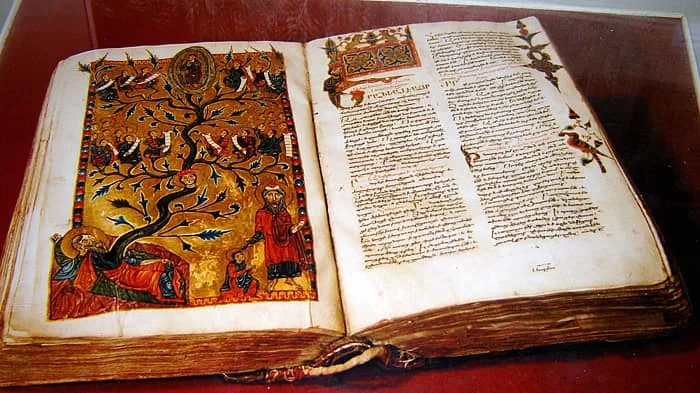
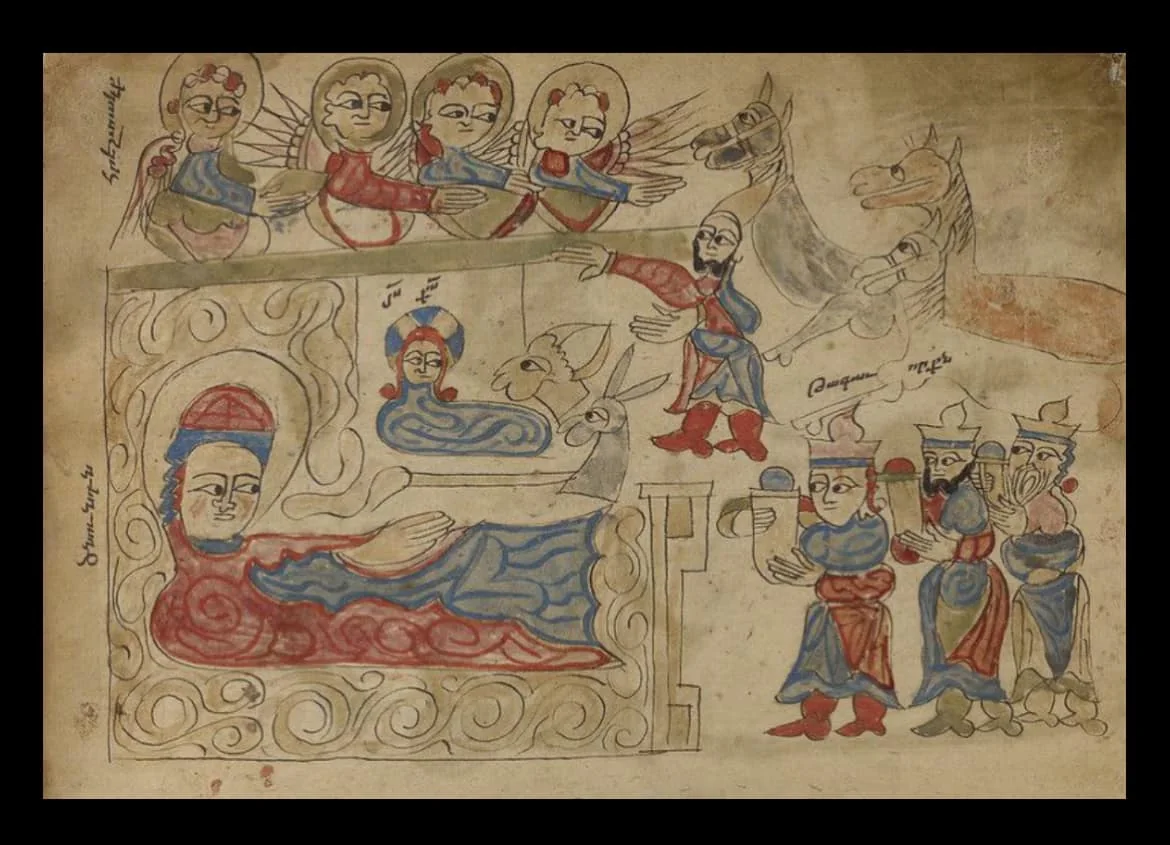
In these hard centuries cultural life was concentrated in the monasteries. In the 13th and 14th centuries theology, philosophy and grammar were taught at the universities of Gladzor in Vayots Dzor and Tatev in Syunik; the renowned teacher Grigor Tatevatsi (1346–1409) worked at Tatev. In Vaspurakan and around Lake Van the copying and illumination of manuscripts continued. In 1441 a council held at Vagharshapat returned the see of the Catholicos of All Armenians from Sis to Etchmiadzin, where it remains to this day, while the Catholicosate of Cilicia continued to function in Sis. In the 15th century the physician Amirdovlat Amasiatsi, who lived in Constantinople (Istanbul), wrote the pharmacological dictionary Useless for the Ignorant.
At the beginning of the 16th century the Safavid state was established in Iran, while the Ottoman Empire was expanding from the west. Armenia became one of the main theatres of the long wars between the two powers. The Peace of Amasya of 1555 divided the country: the western part remained with the Ottoman Empire and the eastern part with Safavid Iran. After further wars, the Treaty of Zuhab (Qasr-e Shirin) of 1639 confirmed roughly the same border, which largely held for the following centuries. In Eastern Armenia Yerevan became the centre of a Persian province ruled by a beglarbeg, while in the mountains of Artsakh and Syunik Armenian meliks retained local power.
During the war of 1603–1605 Shah Abbas I, retreating before the Ottoman army, applied scorched-earth tactics. In 1604 he ordered the forced deportation of the inhabitants of the Ararat Plain, Nakhijevan (Nakhchivan) and neighbouring districts, mostly Armenians, so that the enemy would find nothing in the land. Many people died crossing the Araks and on the long road. The number of those deported is estimated differently in the sources and in modern studies. These events were described in detail by the 17th-century historian Arakel Davrizhetsi (of Tabriz).
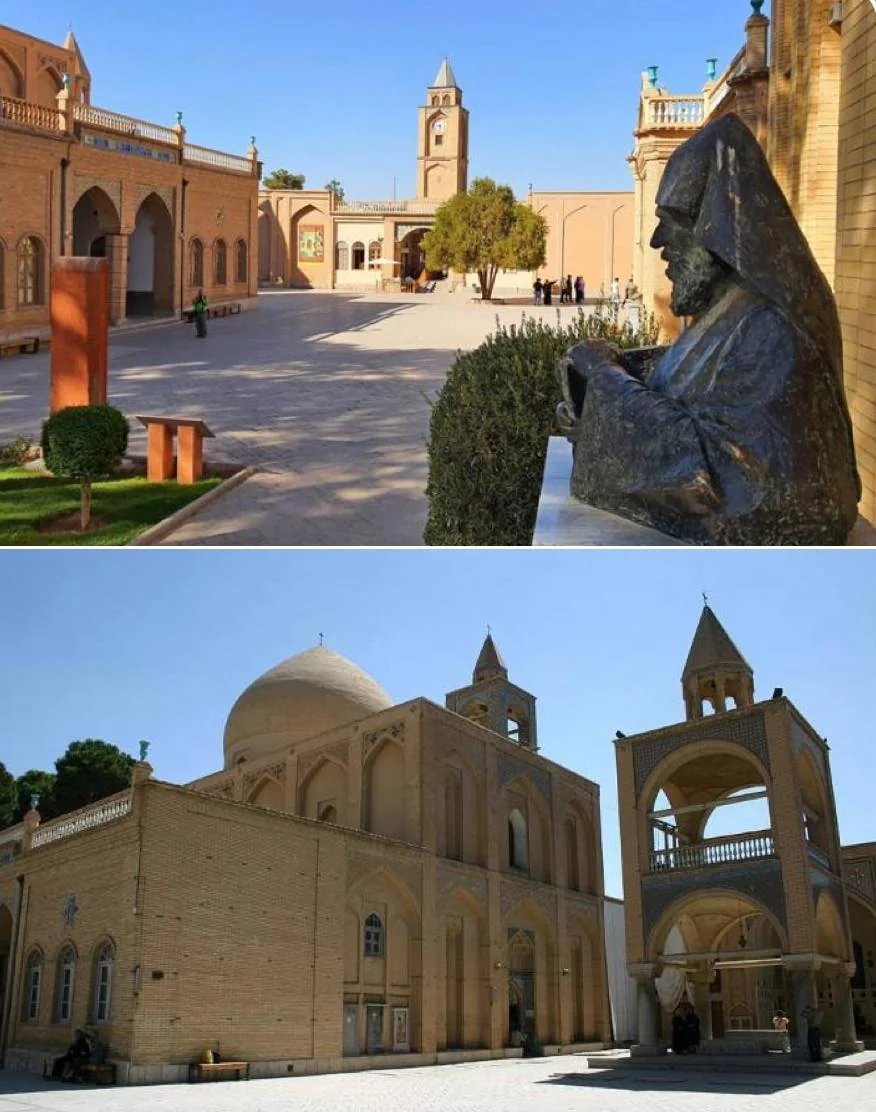
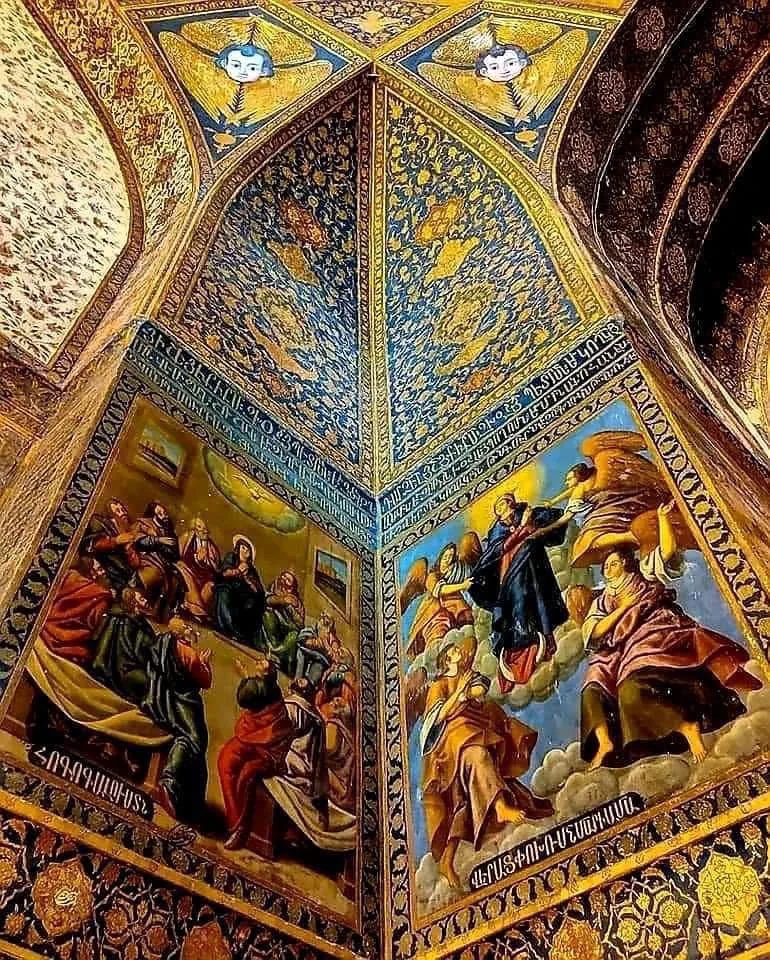
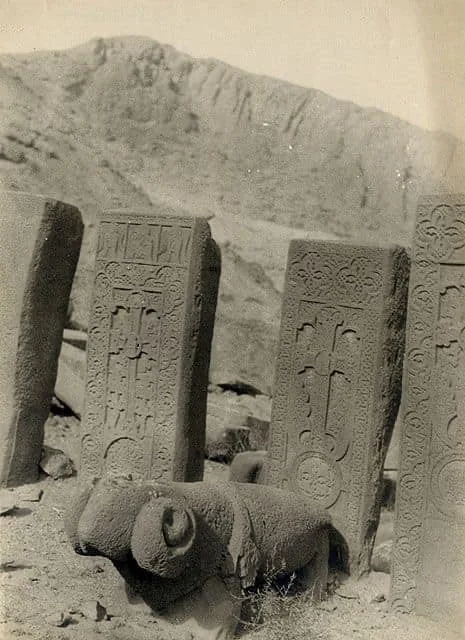
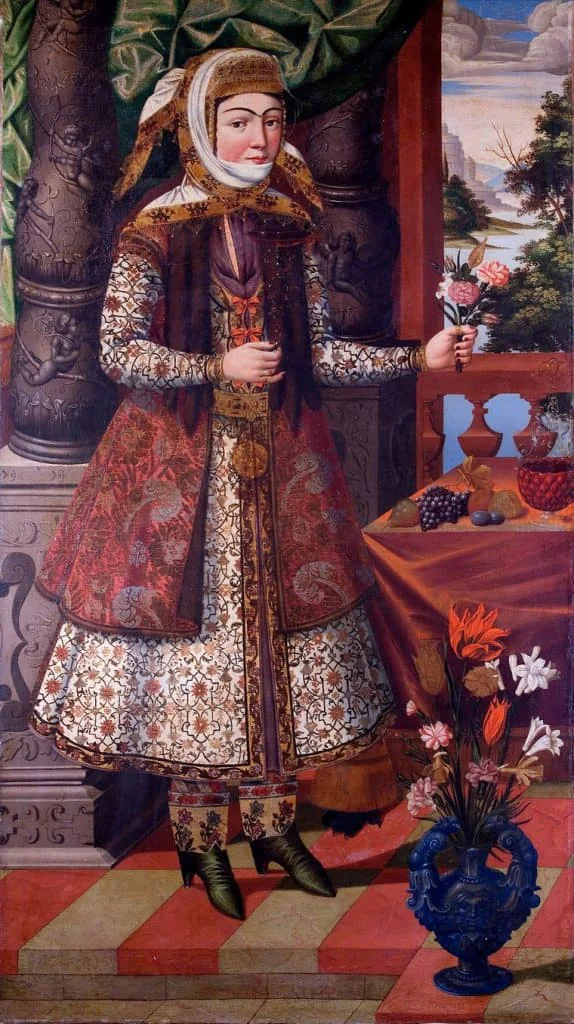
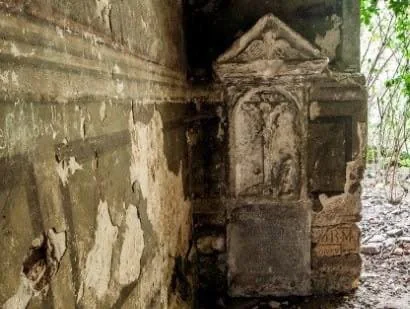
The people of Julfa were resettled near the Safavid capital Isfahan, where New Julfa was founded in 1605. The shah granted them certain privileges, and Julfa merchants built a vast trade network that, through the silk trade, linked Iran with India, Russia, Venice and Amsterdam. In New Julfa the Church of Bethlehem and the Holy Saviour (Vank) Cathedral were built, whose wall paintings combine elements of Armenian, Persian and European art, and in the 1630s the first printing press in Iran operated there. The thousands of khachkars of the cemetery of Old Jugha (Julfa), most of them carved in the 15th and 16th centuries, were destroyed between 1998 and 2006.
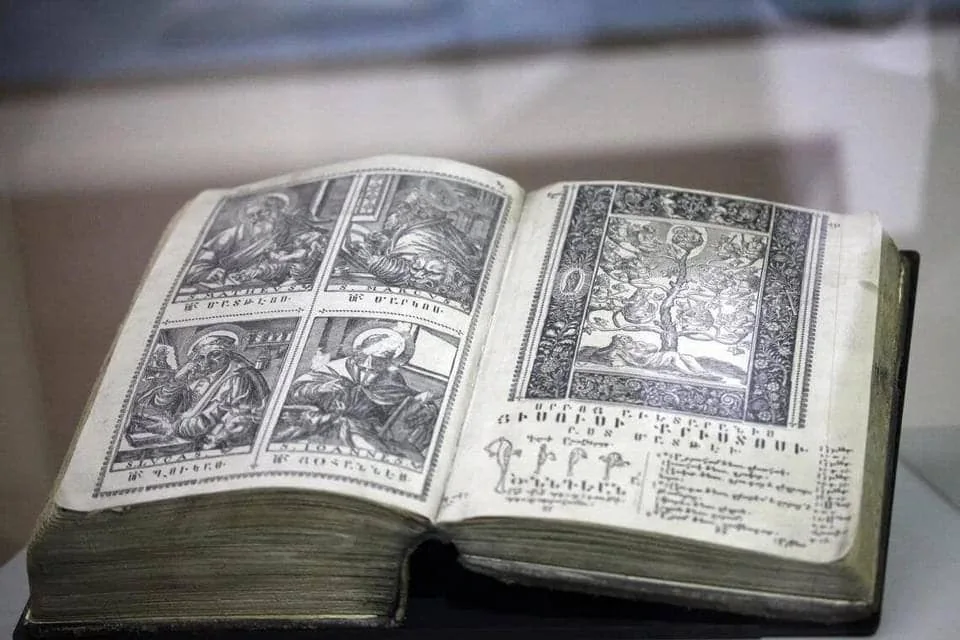
In these centuries a considerable part of the Armenian people lived outside the homeland: in Constantinople, Crimea, Poland, Italy and the trading cities of the East. It was in the diaspora that Armenian printing was born: in 1512 in Venice Hakob Meghapart published the first printed Armenian book, the Friday Book (Urbatagirk). In the second half of the 16th century Abgar Tokhatetsi printed books in Venice and Constantinople, and in 1666–1668 in Amsterdam Voskan Yerevantsi published the first printed Armenian Bible. At the end of the 17th century Armenian leaders began to plan ways of freeing themselves from foreign rule: in 1677 a secret meeting was held at Etchmiadzin on the initiative of Catholicos Hakob Jughayetsi, marking the beginning of new liberation projects.