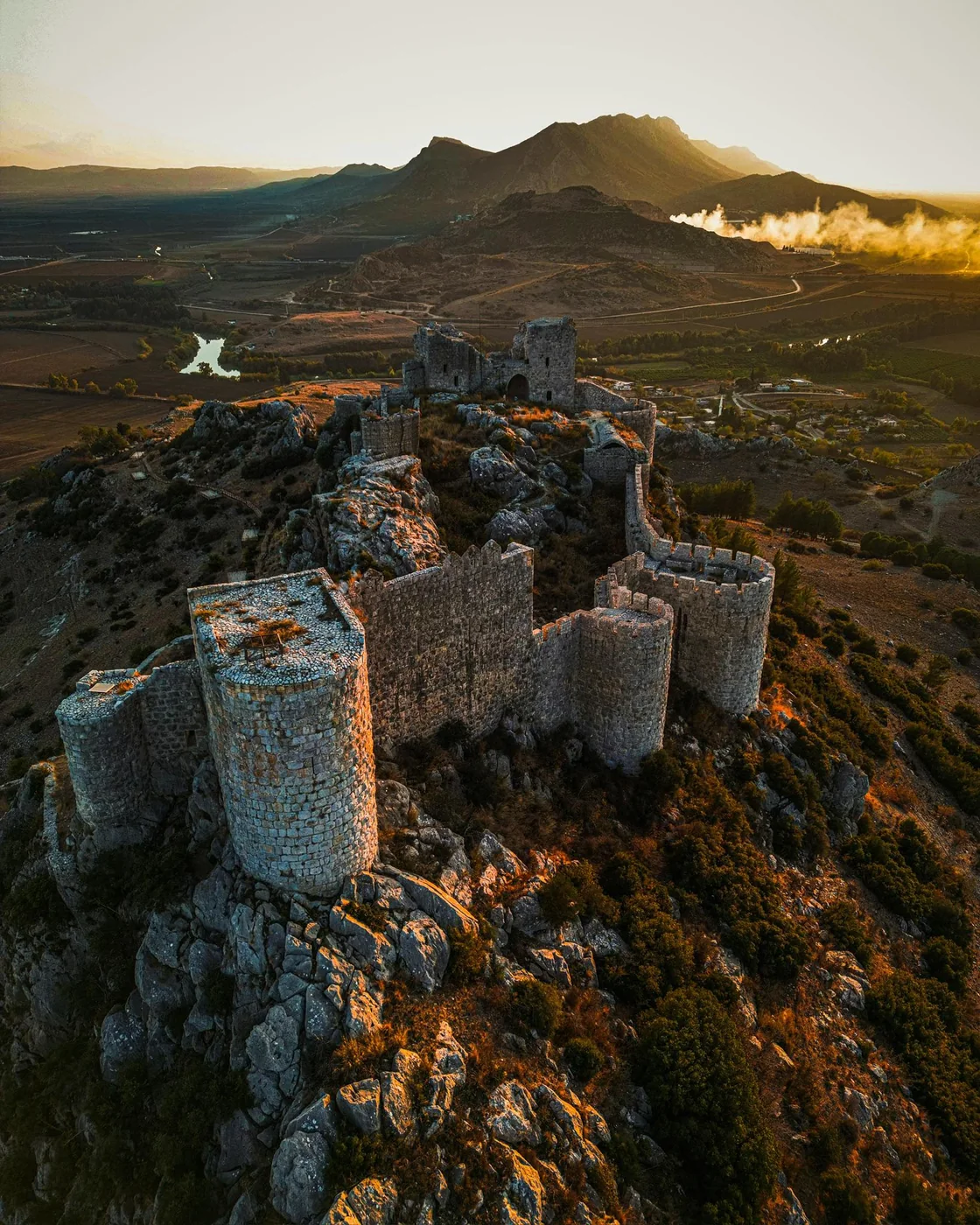
After the Seljuk invasions Armenian princes and the people who migrated with them settled on the north-eastern coast of the Mediterranean, in Cilicia and the neighbouring regions, where Armenians had lived since earlier times. Traditionally, 1080 is considered the year in which Prince Ruben founded his domain in the Taurus Mountains. His successors, the Rubenids, gradually came down from the mountain fortresses of Vahka and Partzerpert into the plain and took Anazarba, Mamistra and Tarsus. Thus arose a principality that for almost three centuries was the centre of Armenian statehood.
In 1097–1098 the armies of the First Crusade passed through Cilicia and the Euphrates regions. Armenian princes provided them with food, guides and soldiers, and Toros, the Armenian ruler of Edessa (Urfa), adopted the crusader Baldwin, who soon became master of the County of Edessa. In the following century Armenians and the Franks from the West were at times allies and at times rivals, and many marriages were concluded between their noble houses. Byzantium also sought to control Cilicia: in 1137 Emperor John Komnenos captured Prince Levon, who died in Constantinople (Istanbul), but his son Toros soon restored Rubenid rule.
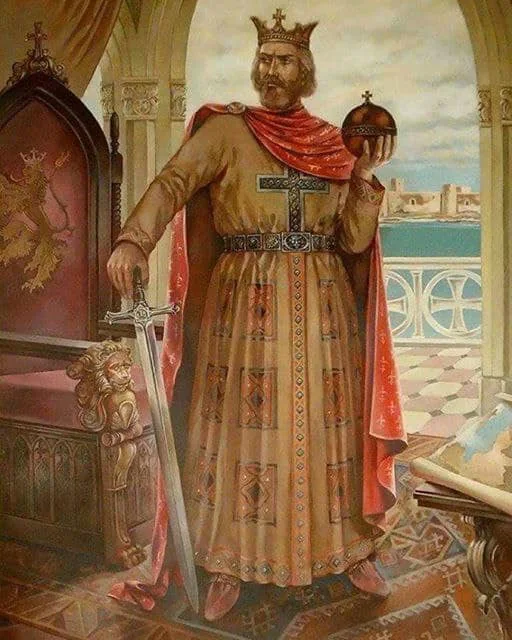
The principality reached its height under Levon the Magnificent, who ruled from 1187. Through skilful diplomacy he obtained recognition from the Holy Roman Emperor and the Pope, as well as from Byzantium. On 6 January 1198, in Tarsus, he was crowned King of Armenia as Levon I. Some sources name Sis (Kozan) as the place of coronation and 1199 as the year. Levon I (1198–1219) organised the state on the European model of his time, gave Frankish names to some court offices, granted trading privileges to the merchants of Venice and Genoa, and made Sis his capital.
After Levon I's death the throne passed to his daughter Zabel, whose second husband, Hetum I (1226–1270), founded the Hetumid dynasty. In the mid-13th century, when the Mongols became the main power in the Middle East, Hetum I chose the path of alliance with them. His brother Smbat the Constable travelled to the Mongol capital in 1247–1250, and in 1254 Hetum himself visited Möngke Khan at Karakorum. For a time the alliance provided protection, but it made Cilicia an enemy of the Mamluks of Egypt. In 1266 a Mamluk army defeated the Armenians at the Battle of Mari and sacked Sis and other towns, and Crown Prince Levon was taken prisoner.
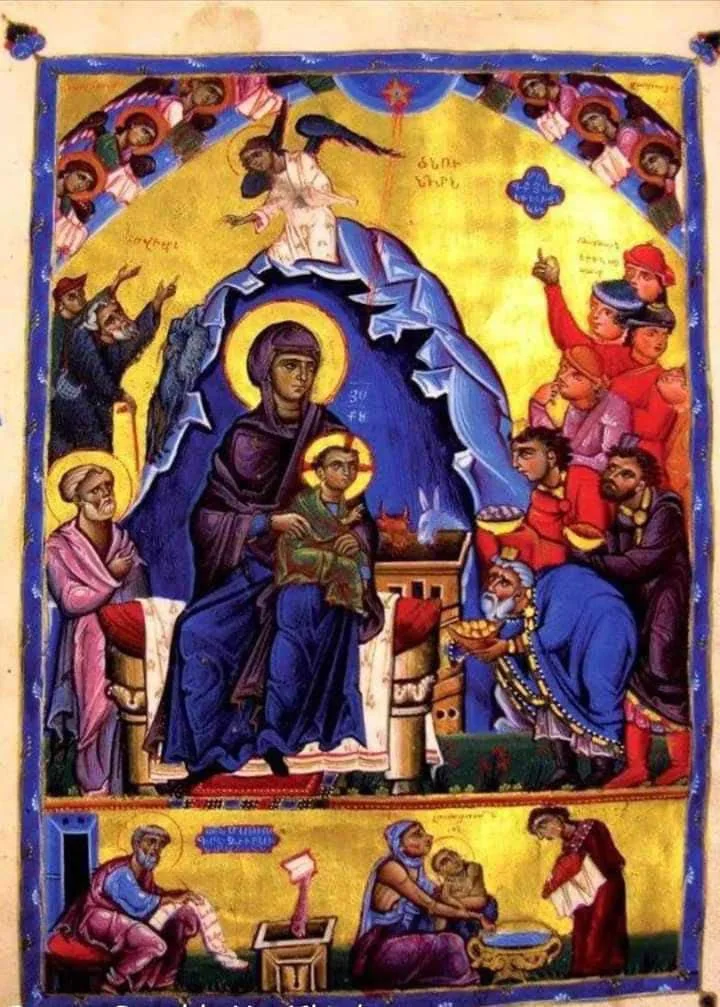
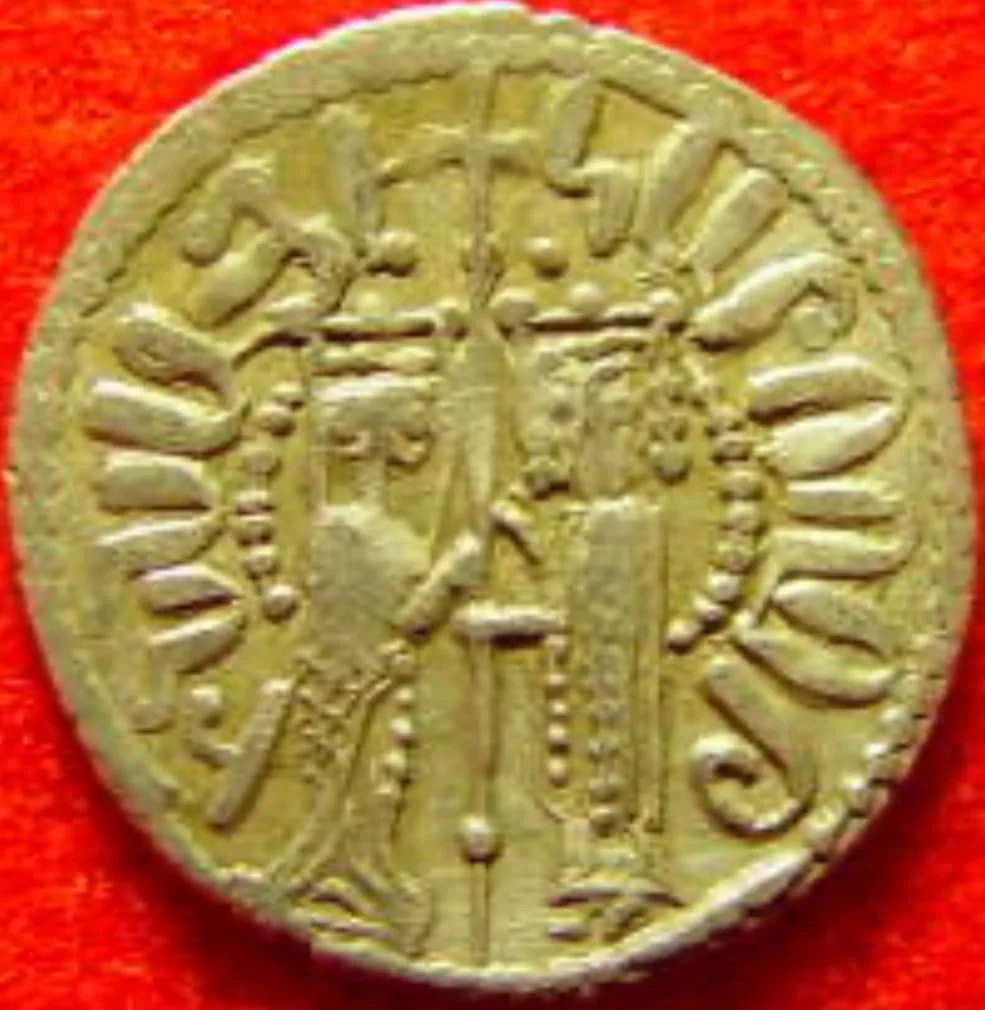
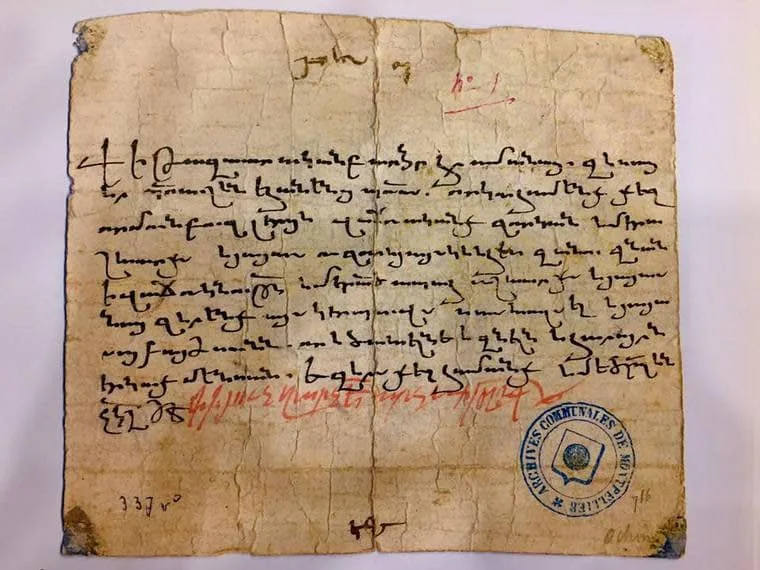
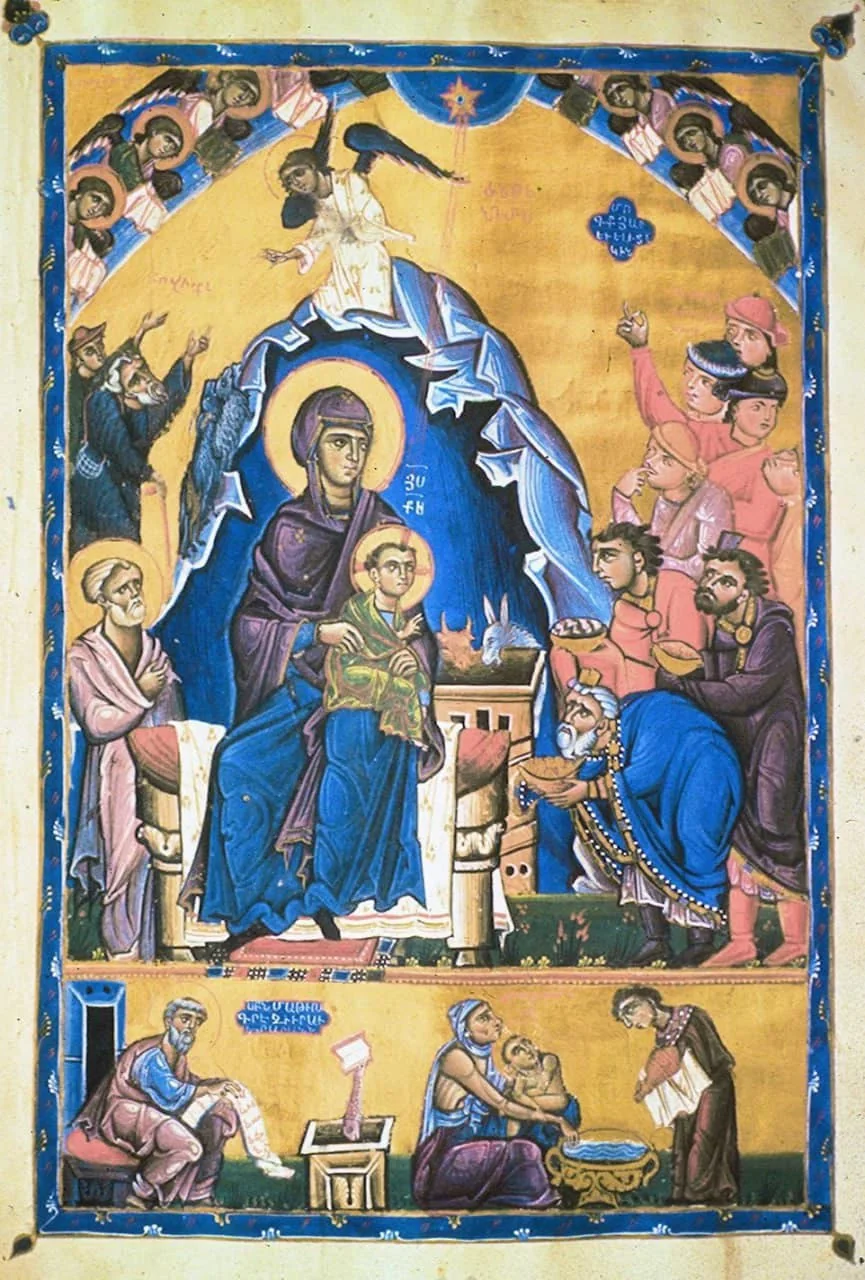
Cilicia was an important hub of medieval trade. Routes from Asia to Europe passed through the port of Ayas (Yumurtalık), where Italian and French merchants had trading stations, and in 1271 Marco Polo passed through it. The kings granted charters to foreign merchants, such as King Oshin's charter of 1307 to the merchants of Montpellier, and silver and copper coins with Armenian inscriptions were struck in the country. Culture flourished too: Catholicos Nerses Shnorhali (1102–1173) wrote hymns and poems, Mkhitar Heratsi wrote medical works, and Smbat the Constable compiled a lawcode and a chronicle. At the catholicosal seat of Hromkla worked the illuminator Toros Roslin, whose manuscripts of 1256–1268 are regarded as masterpieces of Armenian book art.
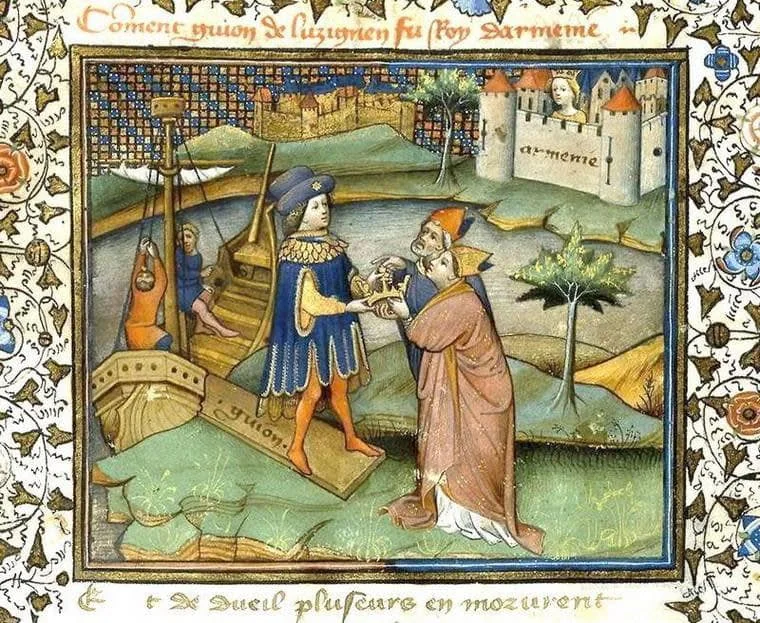
From the late 13th century Cilicia's position grew difficult. The Ilkhans converted to Islam and Mongol support weakened, although Hetum II and his successors tried to preserve the alliance. In 1292 the Mamluks took Hromkla, and the catholicosate moved to Sis. Hoping for help from the West, the court sought rapprochement with the Roman Catholic Church, but the decisions of the Councils of Sis (1307) and Adana (1316) caused division among the clergy and the people, and military aid never came. From 1342 the throne passed to kings linked with the Lusignan dynasty of Cyprus. In 1375 the Mamluks took Sis, and the last king, Levon V, was carried off captive to Cairo.
After several years in captivity Levon V was released, sought support at the courts of Europe to restore his kingdom, and died in Paris in 1393. His tombstone now lies in the Basilica of Saint-Denis, beside the tombs of the kings of France. After the fall of Cilicia the Armenians who remained there continued to live in Sis, Zeitun (Süleymanlı) and other mountain settlements, and the Catholicosate of Cilicia survives to this day, now at Antelias in Lebanon. The Cilician kingdom was the last medieval Armenian kingdom, and its literature, miniature painting and legislation left a deep mark on Armenian culture.