In the middle of the 9th century BC a state took shape in the basin of Lake Van that for about three centuries was the leading power on the Armenian Highlands. Assyrian sources call it Urartu, the Bible calls it the land of Ararat, and its own inscriptions call it Biainili, from which, according to scholars, the name ‘Van’ derives. In Armenian historical writing it is also known as the Kingdom of Van or the Kingdom of Ararat. The first known king is Aramu (Arame), who in the 850s BC fought the Assyrian king Shalmaneser III. The Assyrians captured his centre, Arzashkun, but could not conquer the country.
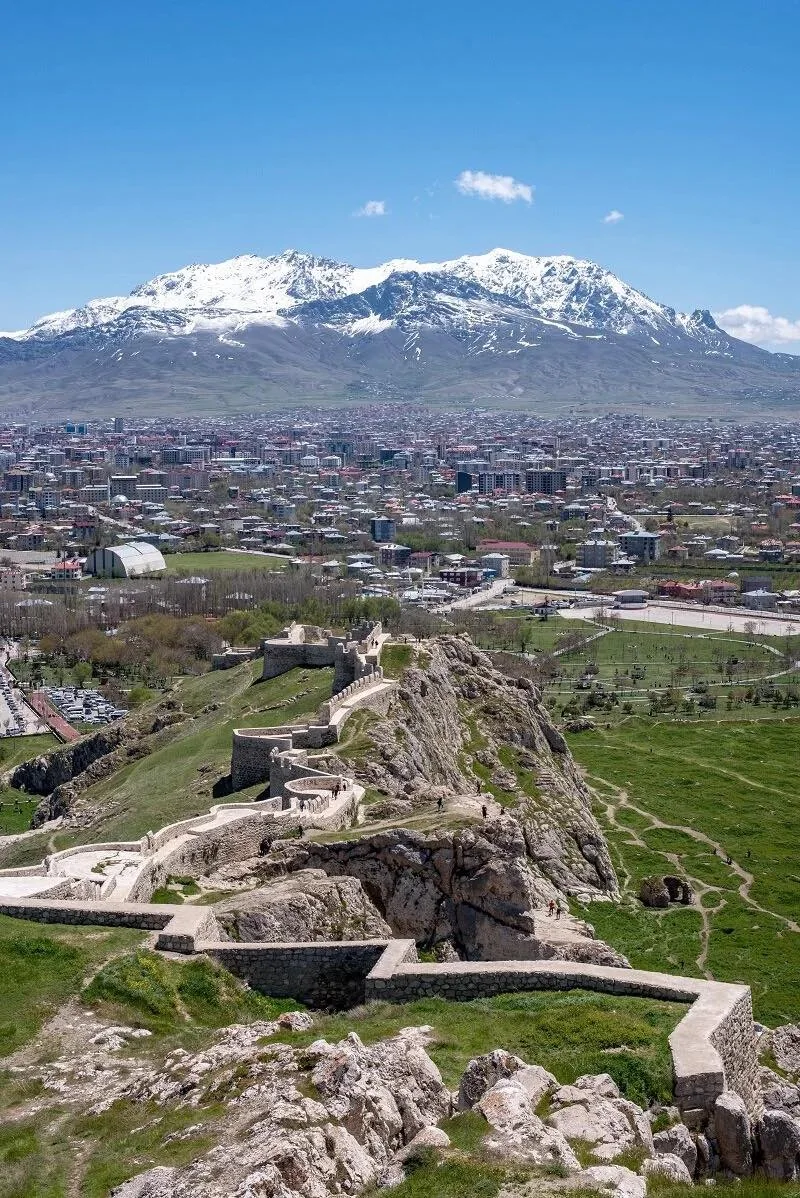
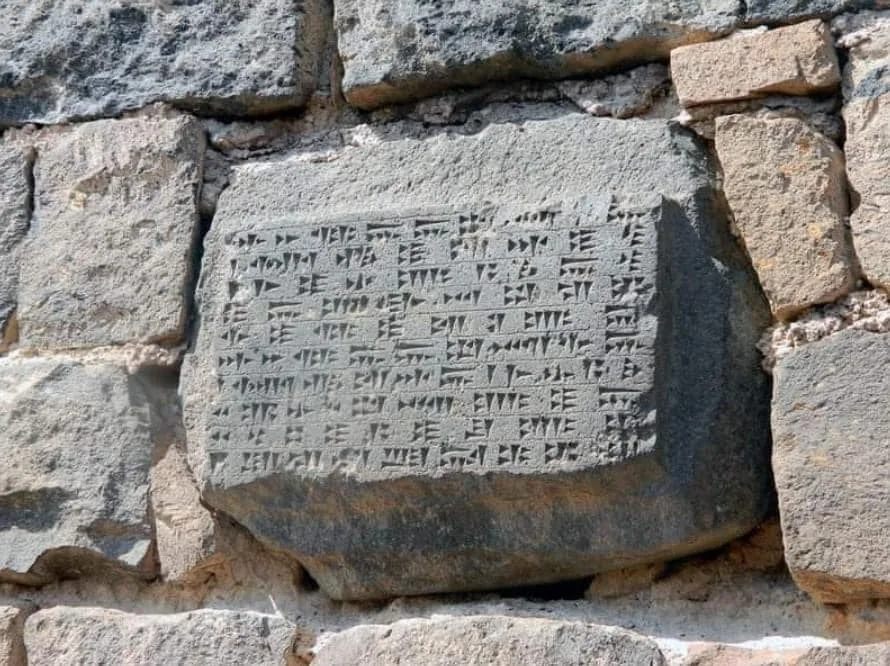
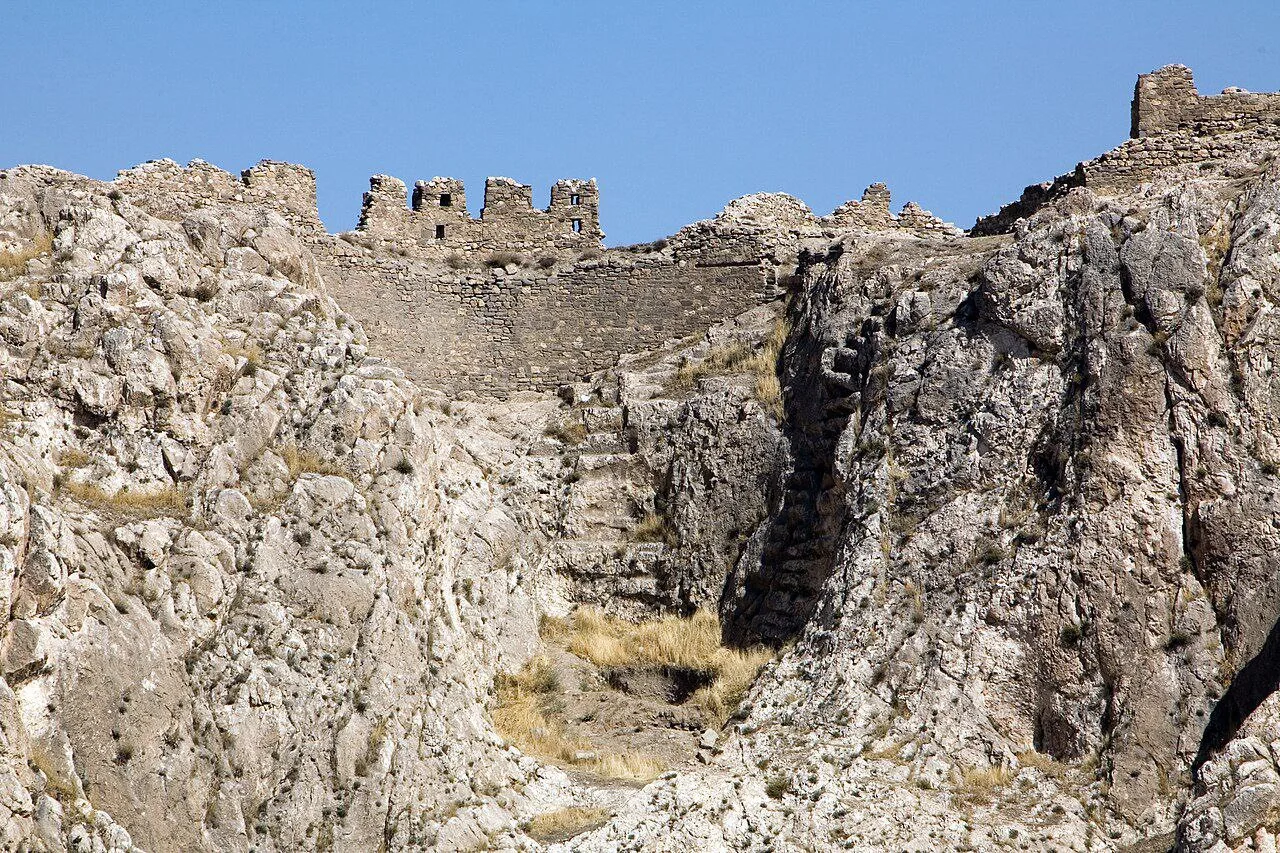
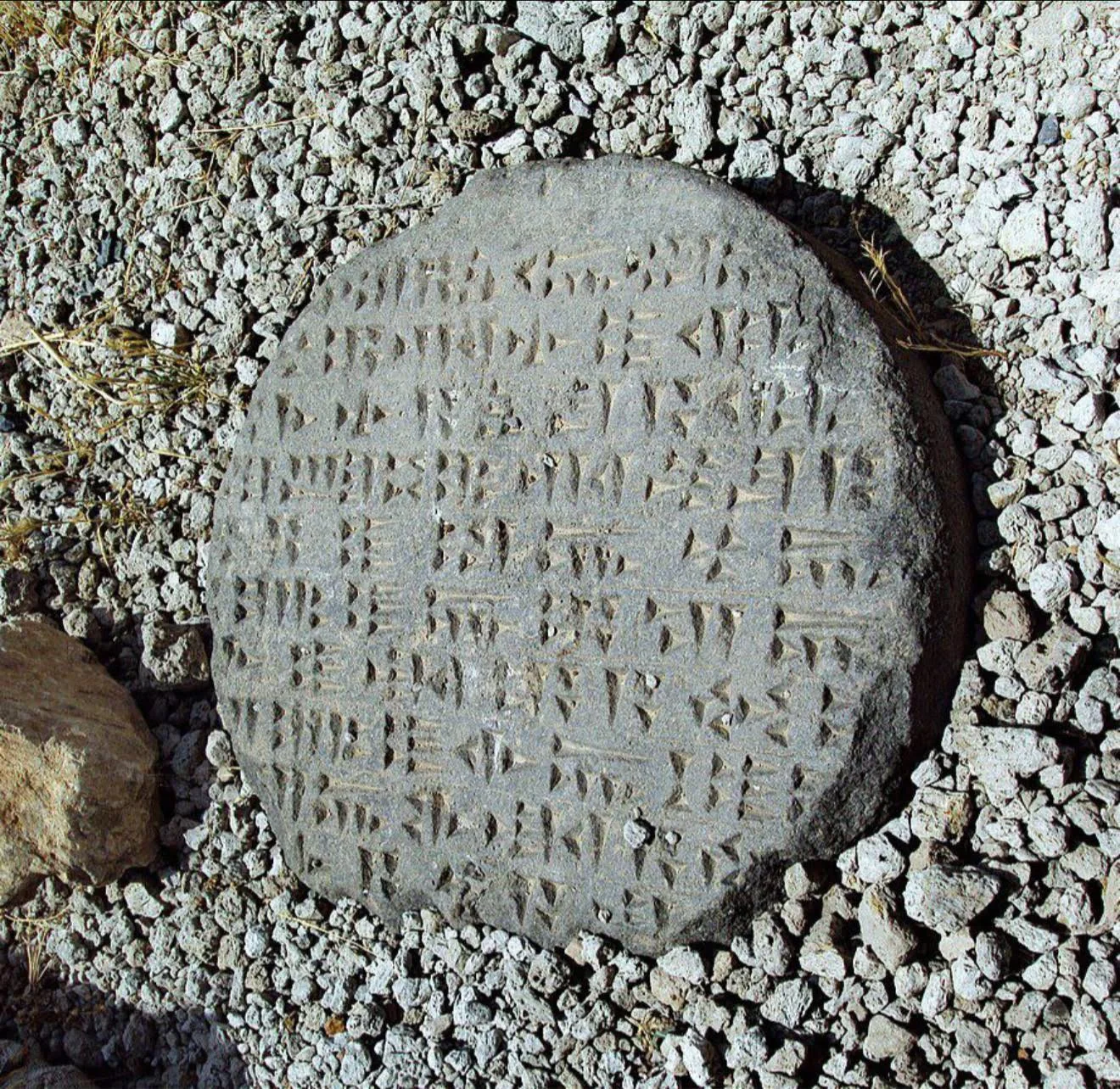
In the last third of the 9th century BC Sarduri I built the fortress city of Tushpa on a rock rising above the eastern shore of Lake Van, and it became the capital of the kingdom. His inscriptions were still written in Assyrian, but soon the cuneiform signs began to be used to write the local language, Urartian. This language was not Indo-European and was related to Hurrian. Under the kings Ishpuini and Menua the state expanded to the north, west and south. Menua (c. 810–786 BC) is known above all for his building works. The canal named after him, more than 50 kilometres long, carried fresh water to the plain of Van and is still partly in use today. Later tradition called it the canal of Shamiram (Semiramis).
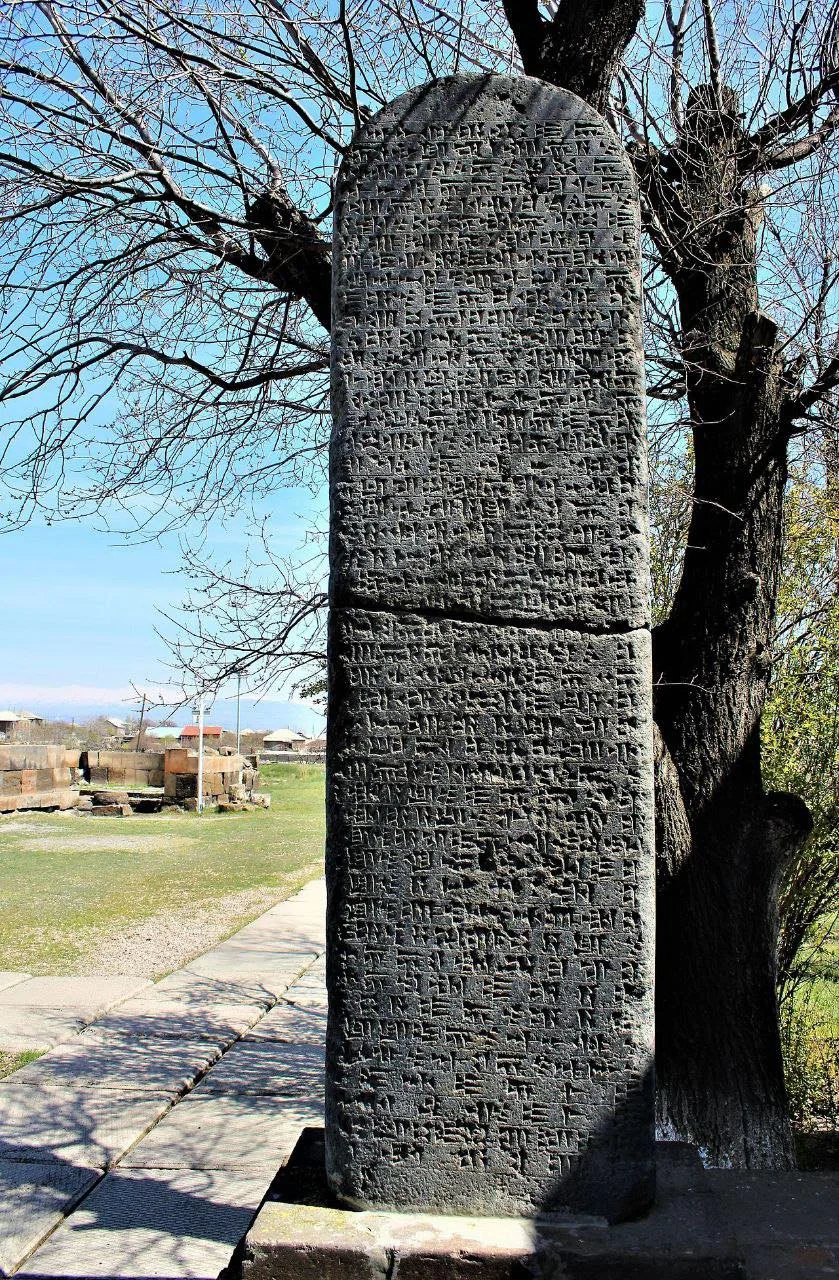
Under Menua’s son Argishti I (c. 786–764 BC) the kingdom conquered new lands in the north, in the basin of Lake Sevan and on the Ararat plain. In 782 BC he founded the fortress of Erebuni on the hill of Arin Berd, as the cuneiform inscription found there records. The history of Yerevan is counted from this year. A few years later Argishtikhinili was founded on the Araxes, and it became the main centre of the Ararat plain. Argishti settled the new towns with captives brought back from his campaigns, a common practice among the states of that time.
Under Sarduri II (c. 764–735 BC) the Kingdom of Van competed with Assyria for the lands along the Euphrates and in northern Syria, but in 743 BC it was defeated by Tiglath-Pileser III. In the reign of Rusa I, in 714 BC, the Assyrian king Sargon II carried out a great campaign and sacked the city of Musasir with the main temple of the god Khaldi. Sargon’s detailed report on this campaign is one of the most valuable sources on the history of the kingdom. The following kings, especially Argishti II and Rusa II (first half of the 7th century BC), restored the strength of the state. Rusa II built new centres, among them Teishebaini (Karmir Blur) in what is now Yerevan and Rusahinili (Toprakkale) near Van.
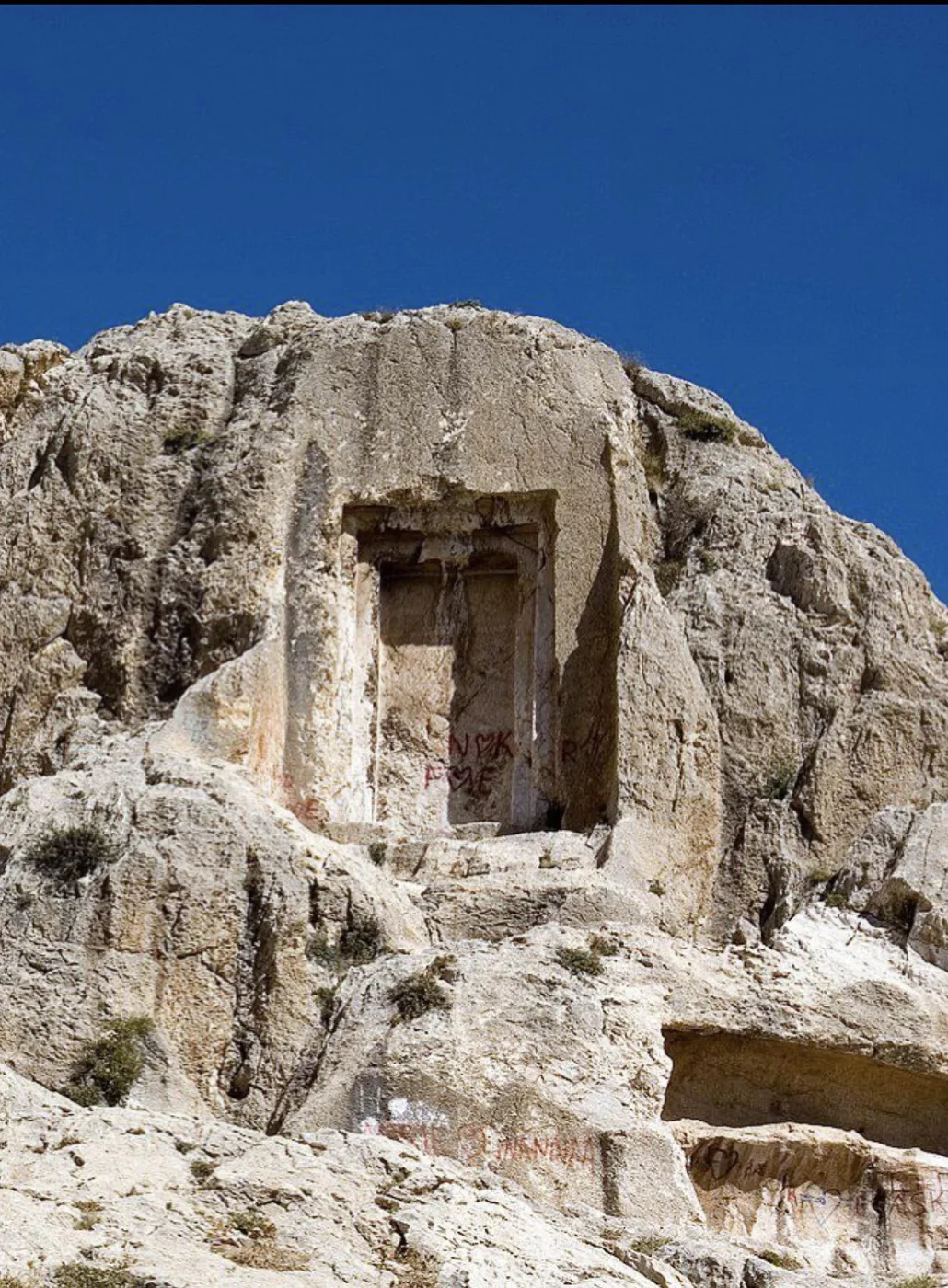
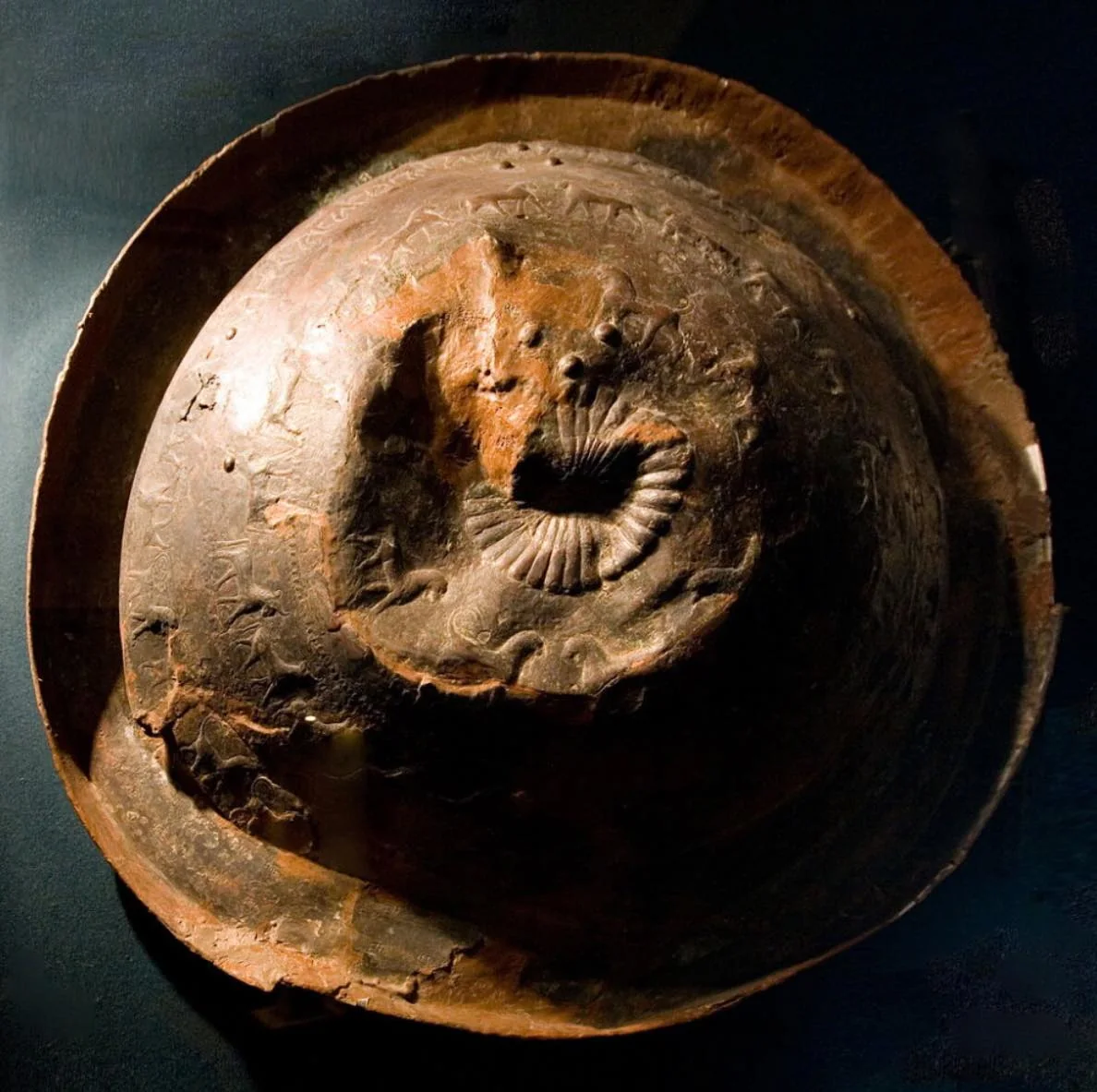
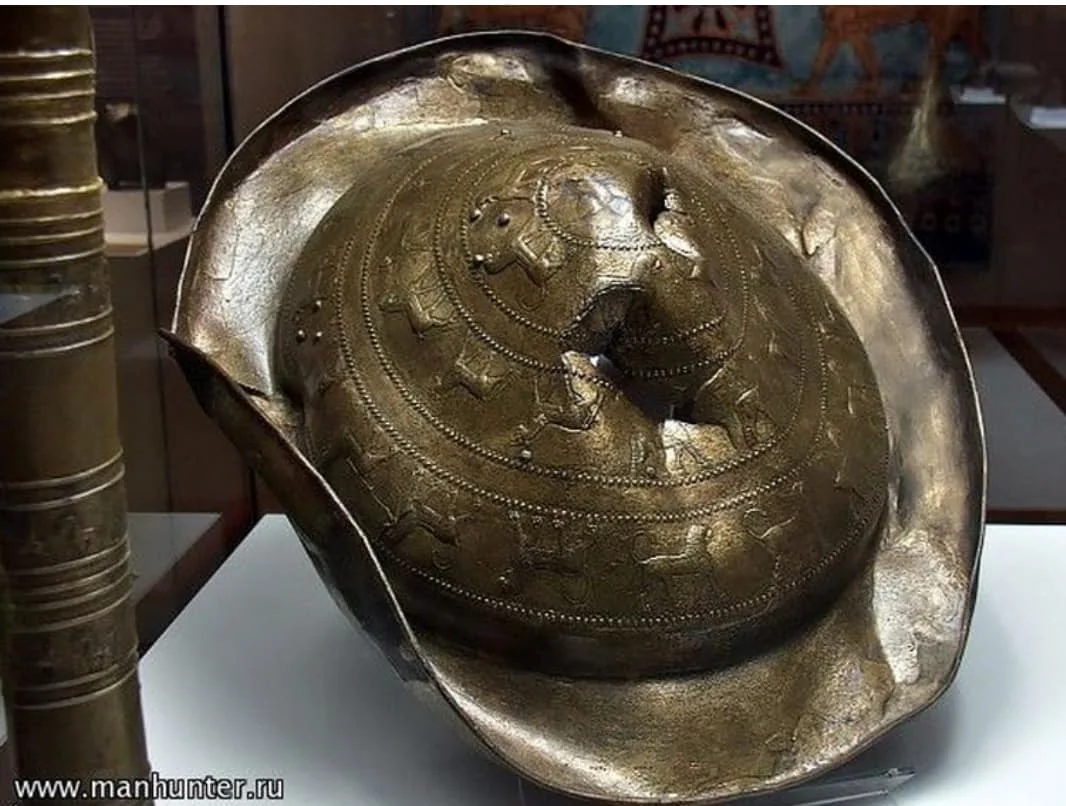
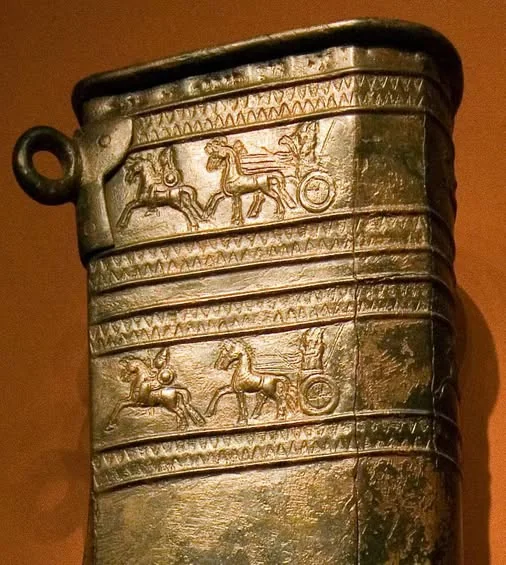
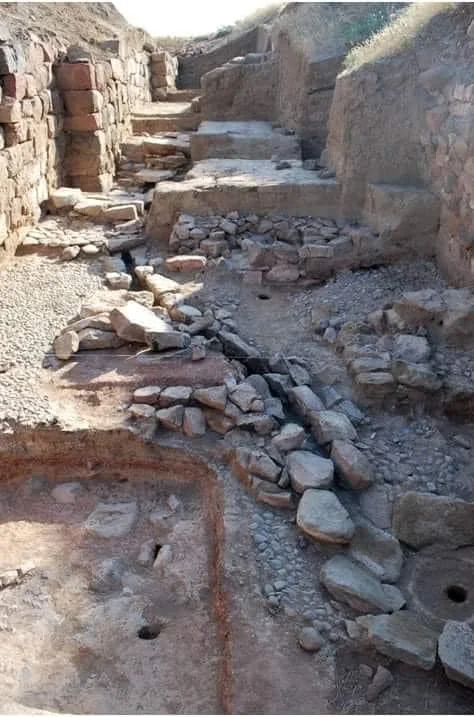
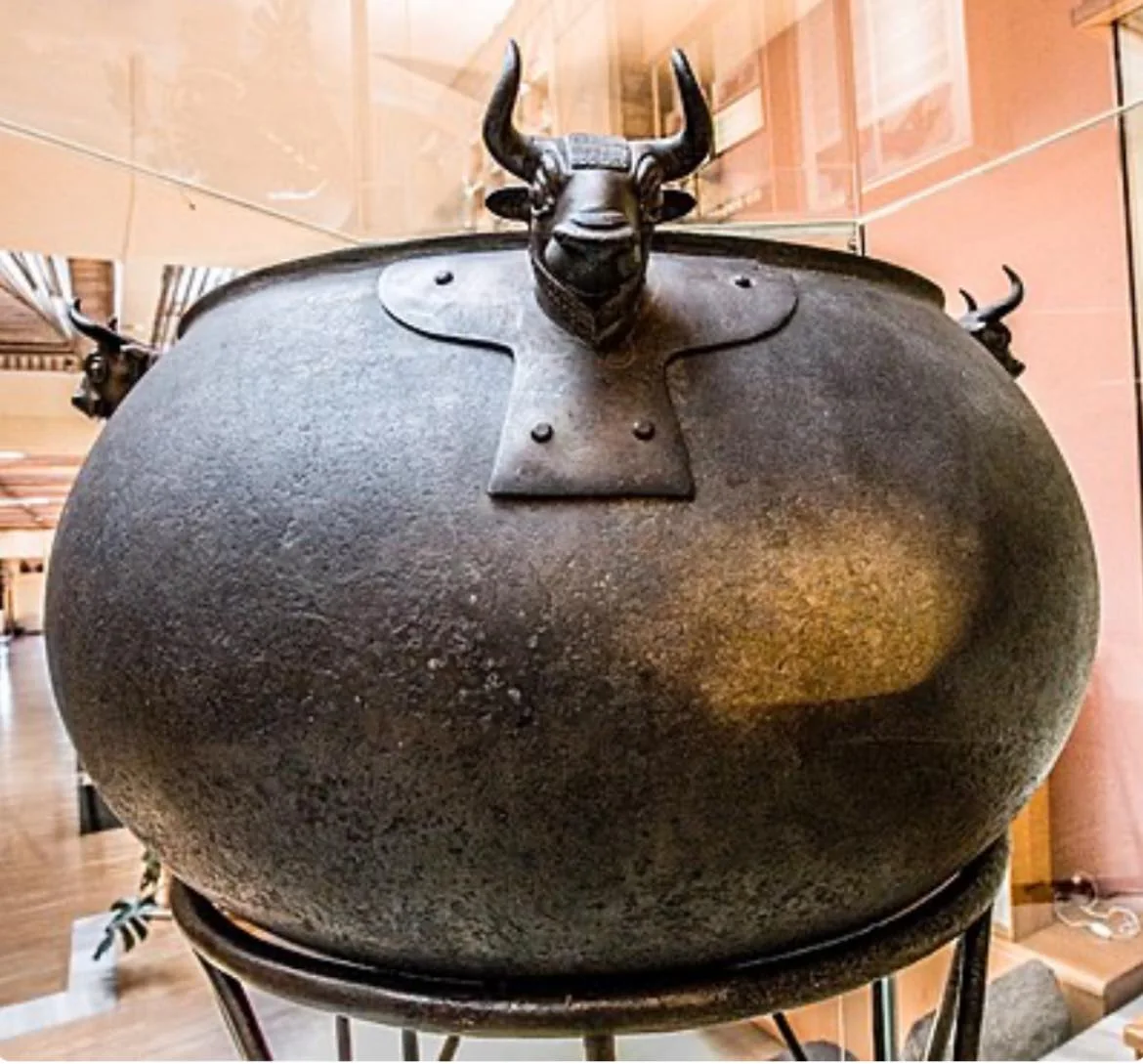
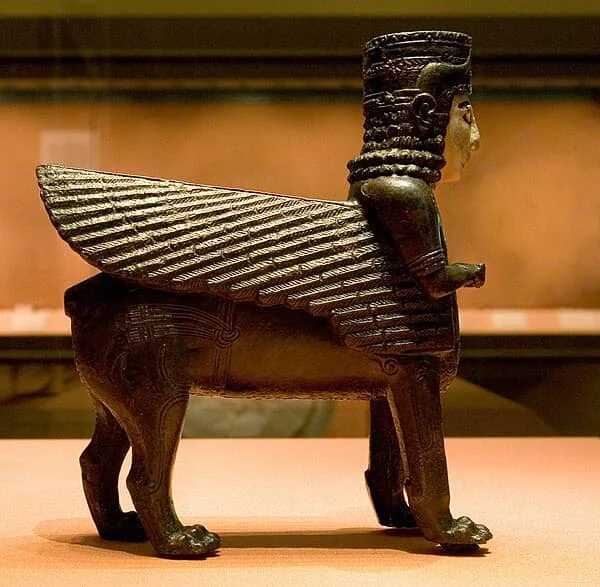
The Kingdom of Van is known for its fortresses, canals and reservoirs, which made it possible to grow grain and vines and plant orchards on dry mountain plains. The fortresses had extensive storerooms with huge jars for wine and grain. Bronze-smiths made decorated shields, helmets, quivers, belts and cauldrons showing chariots, horsemen, lions, bulls and mythical creatures. The chief gods were Khaldi, Teisheba and Shivini. In a rock-cut niche near Van, which Armenians call the Door of Mher, an inscription of Ishpuini and Menua lists the gods and the sacrifices to be offered to them. The kings left hundreds of cuneiform inscriptions, thanks to which we know their names and deeds.
From the second half of the 7th century BC the sources become increasingly scarce. The kingdom was weakened by the incursions of the Cimmerians and Scythians and by internal difficulties. Teishebaini and other fortresses were destroyed by fire, and at the beginning of the 6th century BC the region passed under the rule of Media. The exact chronology of the kingdom’s last decades and of its fall is debated among scholars.
The Kingdom of Van was a state of many peoples. Its court wrote in Urartian, while the population consisted of tribes speaking different languages. Many scholars believe that Armenian-speaking groups were also part of this population, and that after the fall of the state it was Armenian that gradually became the main language of the Highlands. How and when this process took place is still being discussed. Later Armenian states inherited the towns, canals and farming traditions of the Kingdom of Van, and linguists find in Armenian a number of words borrowed from Urartian or Hurrian, as well as many place names.