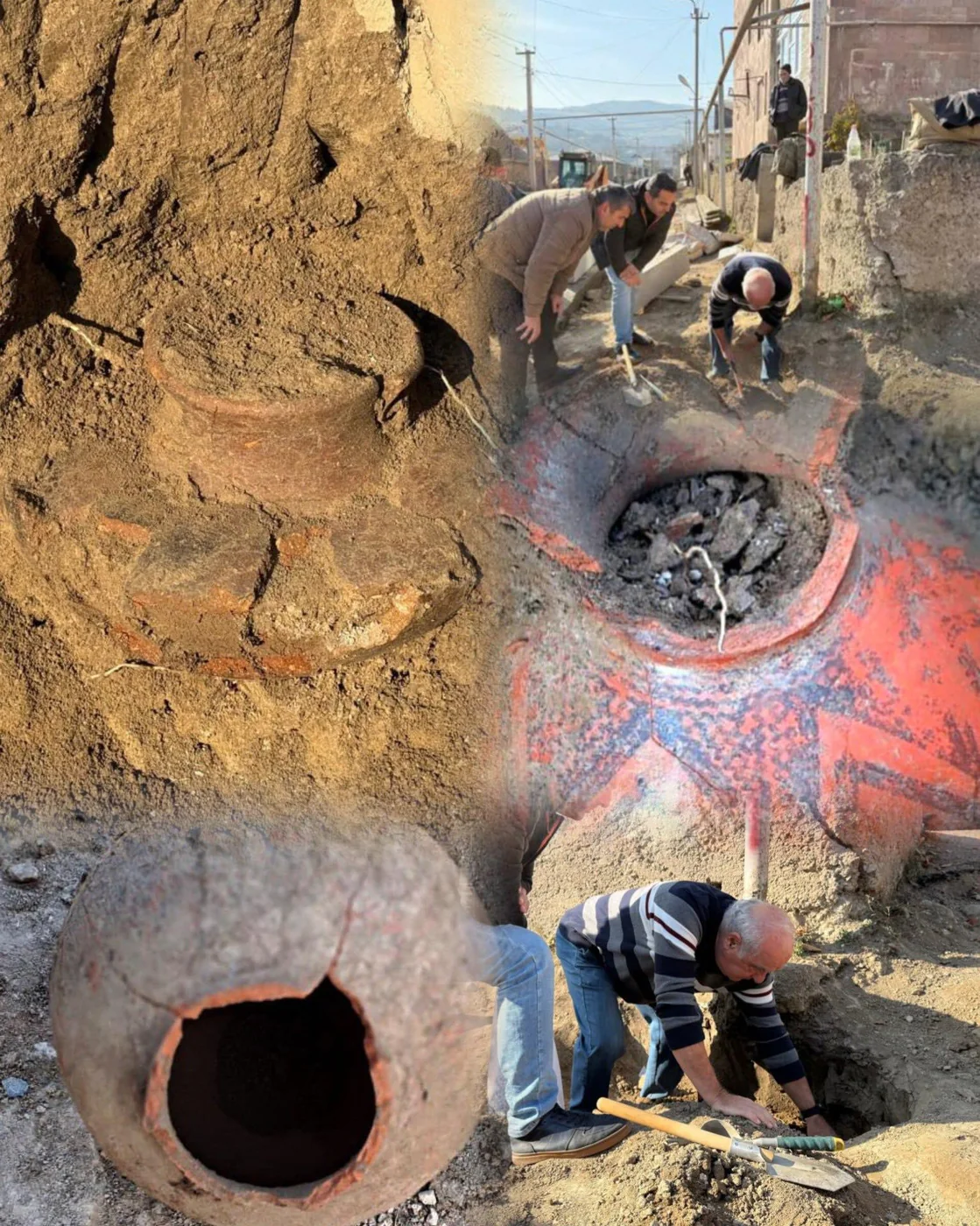
The Armenian Highlands are an elevated region of Western Asia lying between the Black, Caspian and Mediterranean seas. The Euphrates, the Tigris, the Araxes and the Kura rise here, and the volcanic mountains are rich in obsidian, from which sharp tools were made for thousands of years. People lived in this land as early as the Old Stone Age, hundreds of thousands of years ago, as stone tools found in the Hrazdan gorge and elsewhere show. By the 6th millennium BC there were already permanent farming villages on the Ararat plain, such as Aknashen and Aratashen. Their inhabitants grew wheat and barley, kept sheep, goats and cattle, and lived in round houses of mud brick.
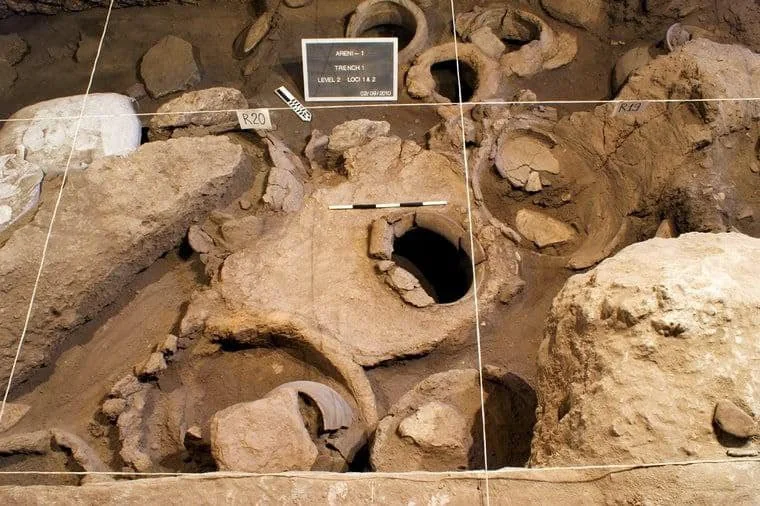
One of the best-known sites of the Copper and Stone Age, the Chalcolithic, is the Areni-1 cave in Vayots Dzor. Excavations carried out there since 2007 uncovered a leather shoe about 5,500 years old, one of the oldest complete leather shoes known anywhere in the world. The same cave yielded a grape-pressing platform, fermentation jars, grape seeds and dried grape clusters dated to around 4000 BC. They are considered among the earliest known evidence of winemaking. The cave was also a place of burial and ritual. Thanks to its dry and stable climate, grain, woven objects, textiles and other materials that rarely survive have been preserved there, helping us picture the daily life of people at that time.
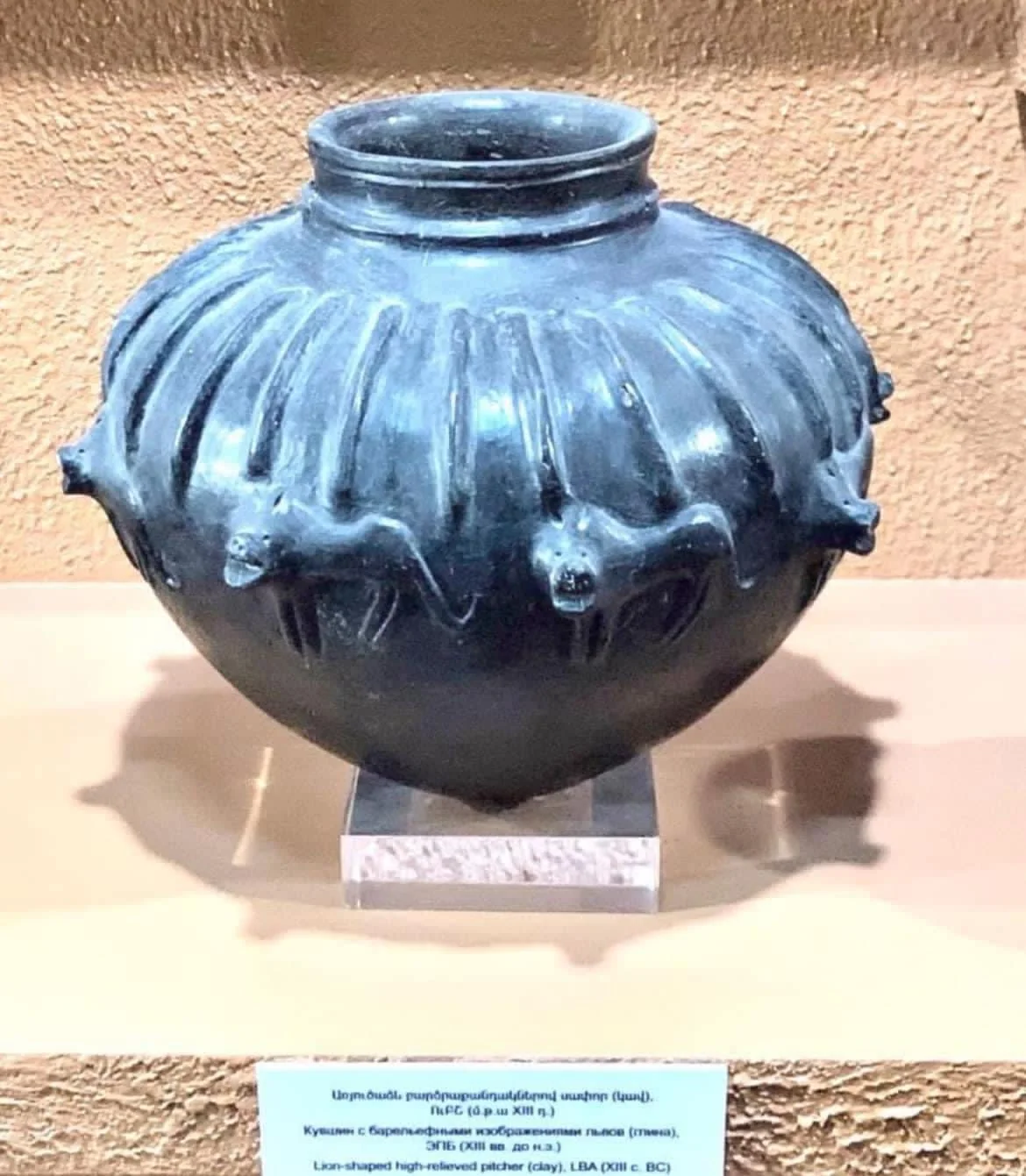
From the middle of the 4th millennium to the middle of the 3rd millennium BC, an Early Bronze Age culture known to scholars as the Kura-Araxes culture spread across the Armenian Highlands and the South Caucasus. One of its most thoroughly studied settlements is Shengavit, within present-day Yerevan, on the bank of the Hrazdan river. Round houses, the remains of a defensive wall, grain stores, hearths and burnished black and grey pottery have been excavated there. Similar settlements existed at Metsamor and at many other places in the Highlands. Copper and its alloys were already widely worked, and bearers of the Kura-Araxes culture spread as far as western Iran and the eastern Mediterranean.
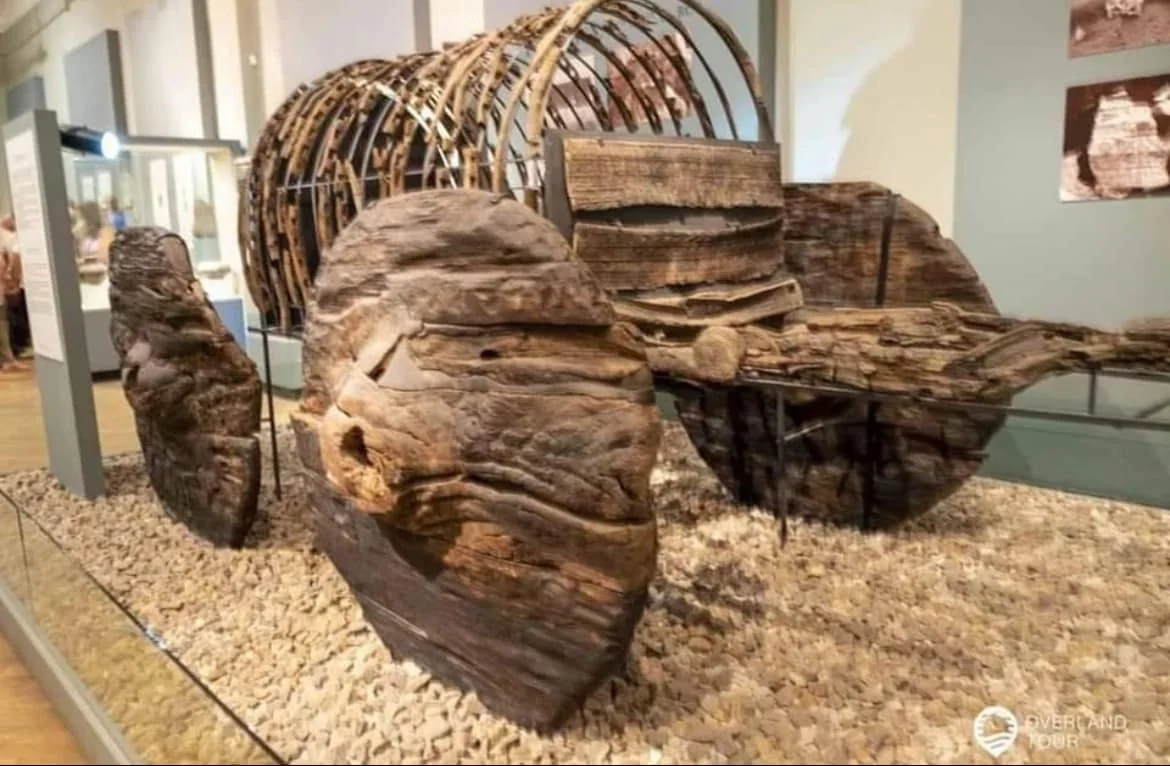
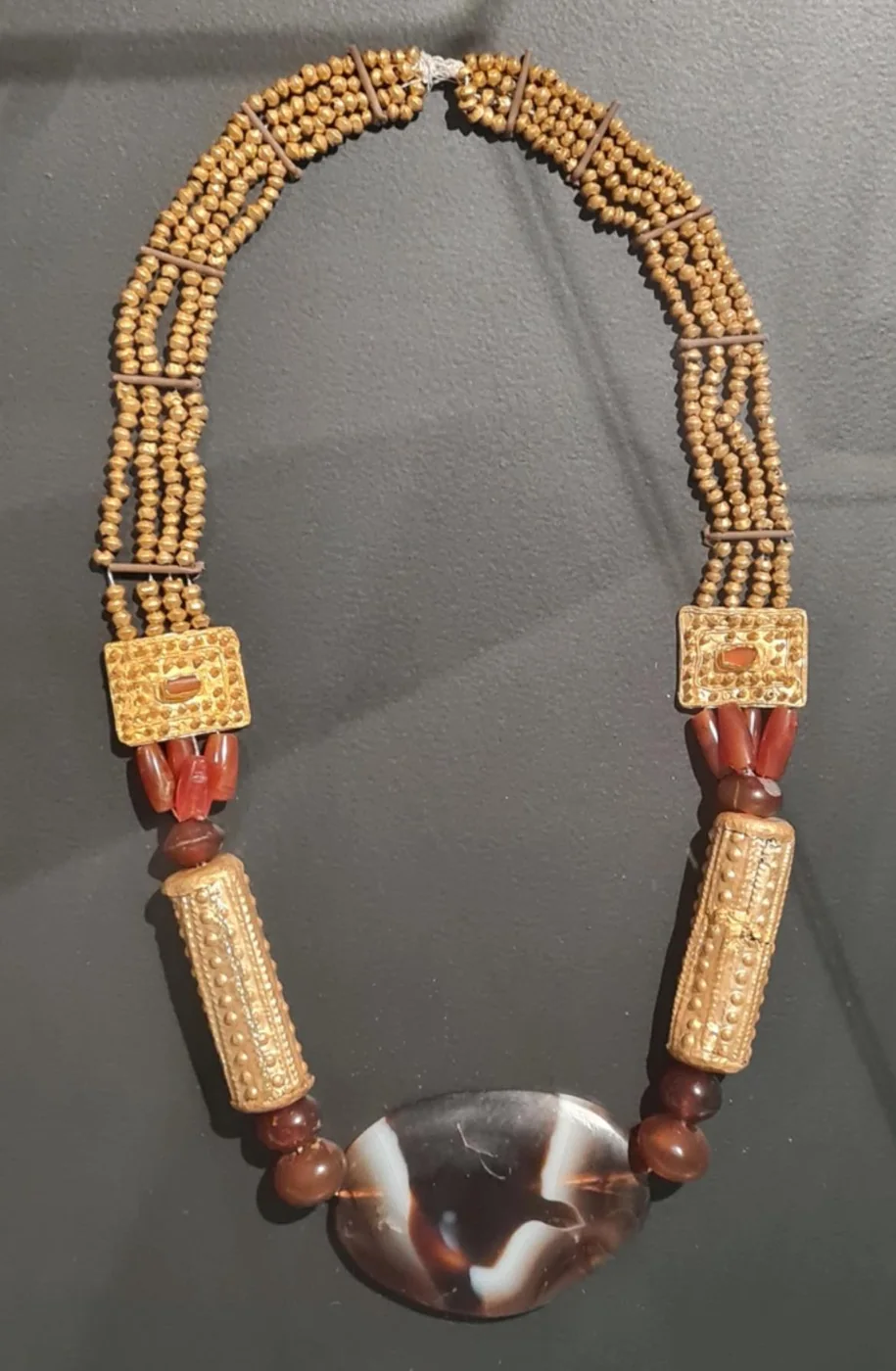
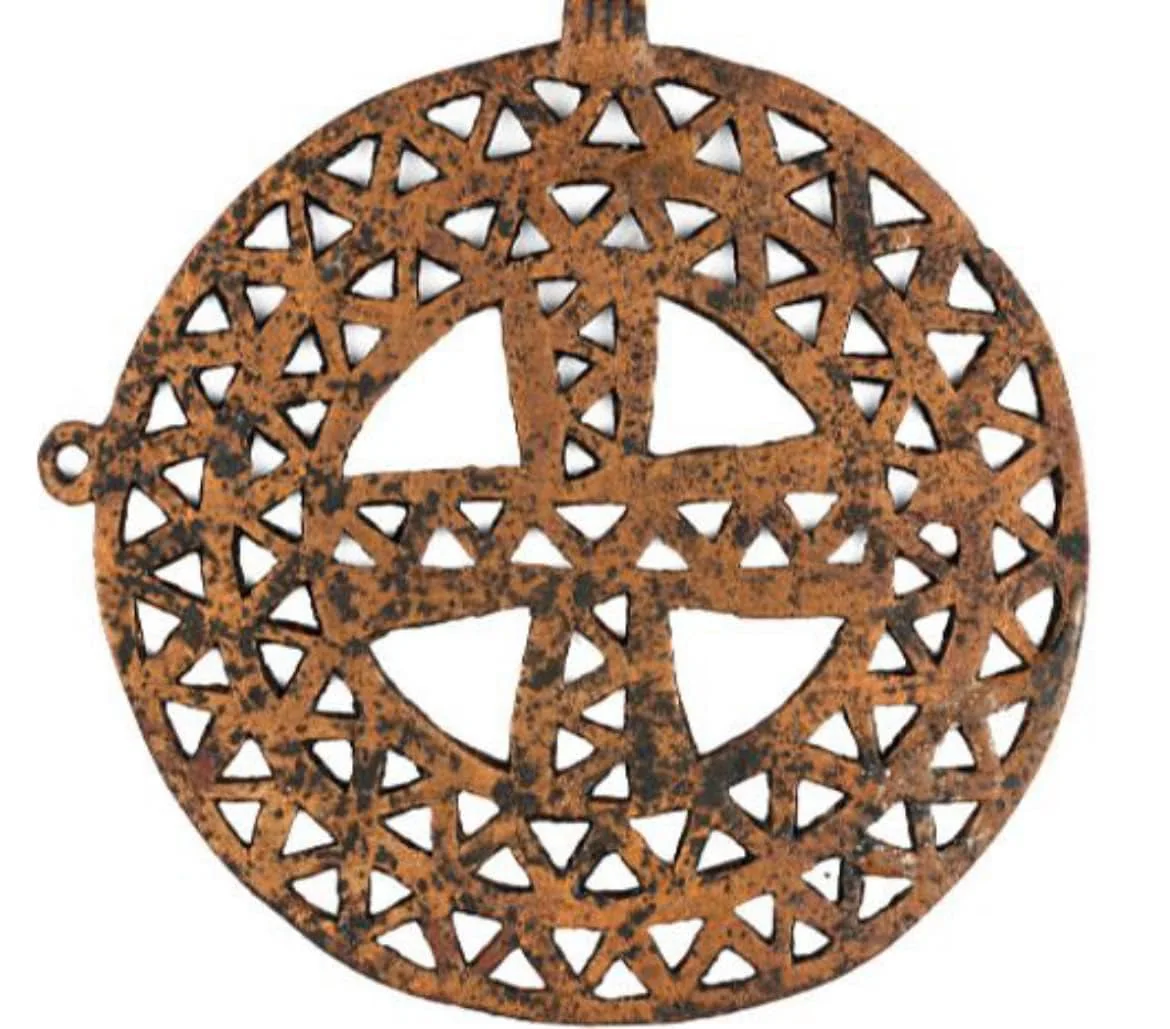
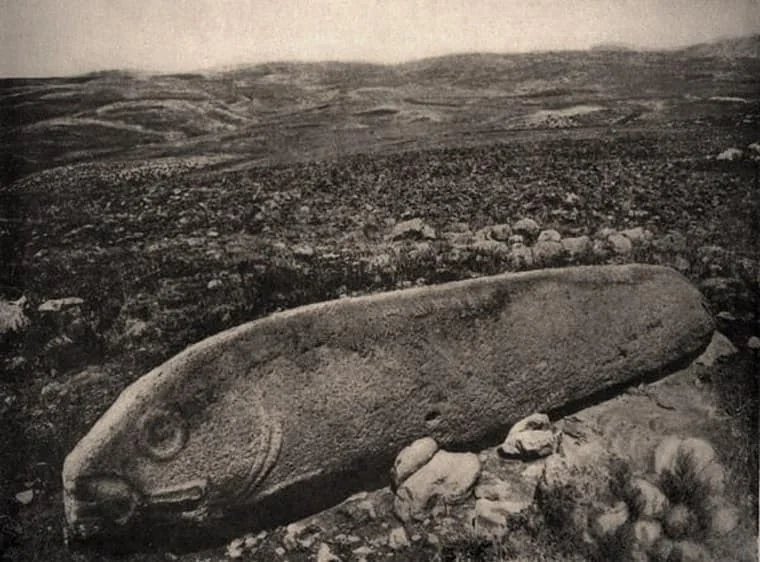
At the end of the 3rd millennium and during the 2nd millennium BC society became more stratified. Large burial mounds appeared, in which leaders were buried with gold and silver objects, weapons and sometimes wagons. One such burial is the tomb at Karashamb, known for its embossed silver goblet and gold jewellery from about 2200–2000 BC. When the level of Lake Sevan fell in the mid-20th century, tombs of the 2nd millennium BC were uncovered at Lchashen, in which wooden wagons and two-wheeled chariots had survived. They show how important wheeled vehicles and the horse were at that time. At Metsamor, which was inhabited for thousands of years, traces of metal-working workshops, sanctuaries and rich burials have been excavated. In mountain pastures one finds vishapakar, or ‘dragon stones’: stone steles shaped as fish or carved with a bull’s hide, which most researchers link to a cult of water.
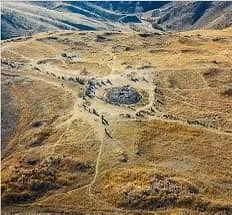
In Syunik, near Sisian, stands Karahunj, also called Zorats Karer: a complex of more than 200 standing stones, many of them pierced with holes near the top. The stones surround tombs of the Bronze and Iron Ages. Some researchers interpret the complex as an ancient observatory, while others are cautious about such a conclusion and see it first of all as a place of burial and ritual. The question remains open, and the exact dating of the monument is also debated.
The inhabitants of the Highlands did not yet have their own writing, and the first written information about them comes from neighbouring states. Hittite texts of the 14th century BC mention the land of Hayasa, or Hayasa-Azzi, which lay in the west of the Highlands, around the upper Euphrates, and which fought and concluded treaties with the Hittite kingdom. Some scholars connect the name Hayasa with the Armenians’ own name for themselves, ‘Hay’, while others consider this link unproven. Assyrian inscriptions of the 13th–11th centuries BC mention the names Uruatri and Nairi. Nairi was a collective name for many small principalities and tribal unions around Lake Van and to the north of it. The Assyrian king Tiglath-Pileser I wrote that he had defeated 23 kings of the lands of Nairi. It was on the basis of these unions that the united Kingdom of Van took shape in the 9th century BC.