In 428 a group of Armenian nakharars (noble lords) asked the Persian king Bahram V to depose Artashes, the last Arsacid king of Armenia. The Sasanian court seized the opportunity: the kingdom was abolished, and Eastern Armenia became a Persian province, governed from the city of Dvin by a marzpan appointed by the King of Kings. The western part of Armenia had already been under Byzantine rule since the partition of 387. Thus began a period of about two centuries that historians call the marzpanate.
Armenia under the marzpans did not entirely lose its self-government. The noble houses kept their estates and troops, Armenian cavalry served in the Persian army, and the office of sparapet, the supreme military commander, remained with the Mamikonians. At times an Armenian prince was himself appointed marzpan, as was Vasak Siuni in the 440s. Taxes, however, were heavy, and the country's fate depended largely on the policies of the court at Ctesiphon.
King Yazdegerd II (439–457) sought to unite the peoples of his empire around the Zoroastrian religion. Around 449 the high court official Mihr Narseh issued an edict demanding that the Armenians adopt it. An assembly of lay and church leaders at Artashat rejected the demand and declared in its reply that it would not renounce the Christian faith. The nakharars summoned to Ctesiphon outwardly submitted to the king, but when they returned accompanied by magi, a revolt broke out. In 450 the sparapet Vardan Mamikonian took the lead of the movement. The marzpan Vasak Siuni at first joined the rebels and then went over to the Persian side. The historian Yeghishe portrays him as a traitor, while some modern historians also explain his actions by political calculation and a wish to save his lands and family.
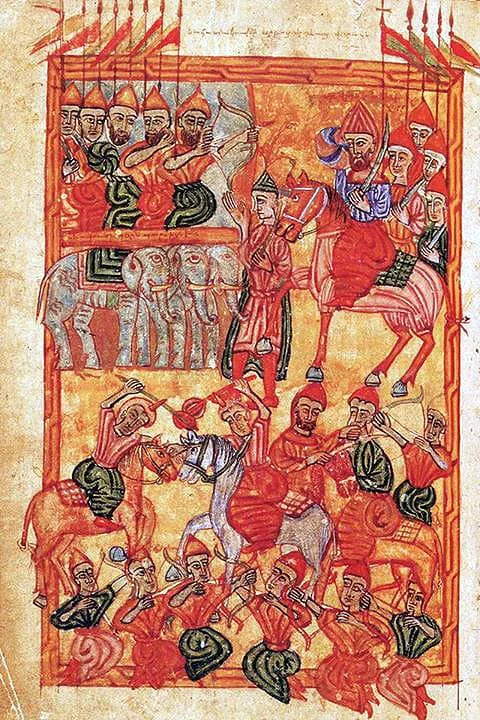
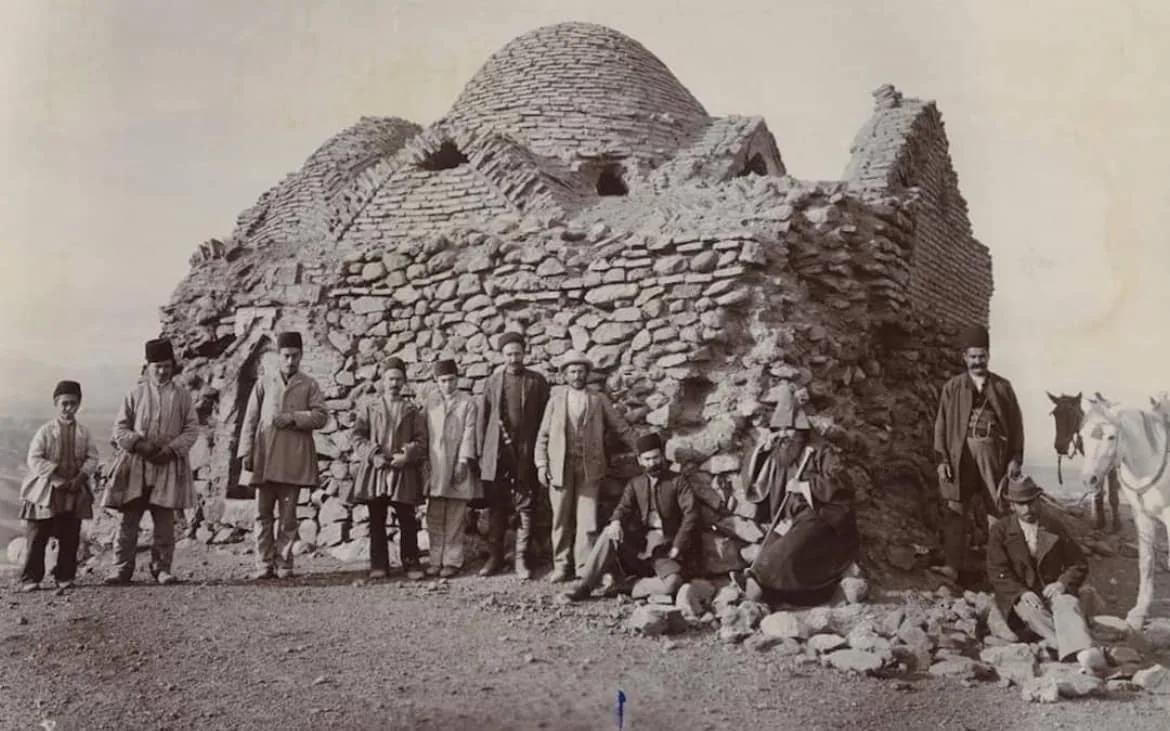
In May 451, on the plain of Avarayr in the province of Artaz, in what is now north-western Iran, the Armenian army gave battle to a Persian force that included war elephants. The forces were unequal: according to Yeghishe, Vardan, eight other commanders and 1,036 Armenian soldiers fell. Militarily the battle was a defeat, but resistance continued in the mountain fortresses, and the Persian court, convinced of the country's tenacity, gradually abandoned the attempt to impose its religion by force. Catholicos Hovsep, the priest Ghevond and other clergymen were exiled to Persia and martyred there. Every year the Armenian Church commemorates Saints Vardanants and Ghevondiants, and Avarayr became a symbol of the defence of faith and identity. These events are known to us mainly from the works of Yeghishe and Ghazar Parpetsi.
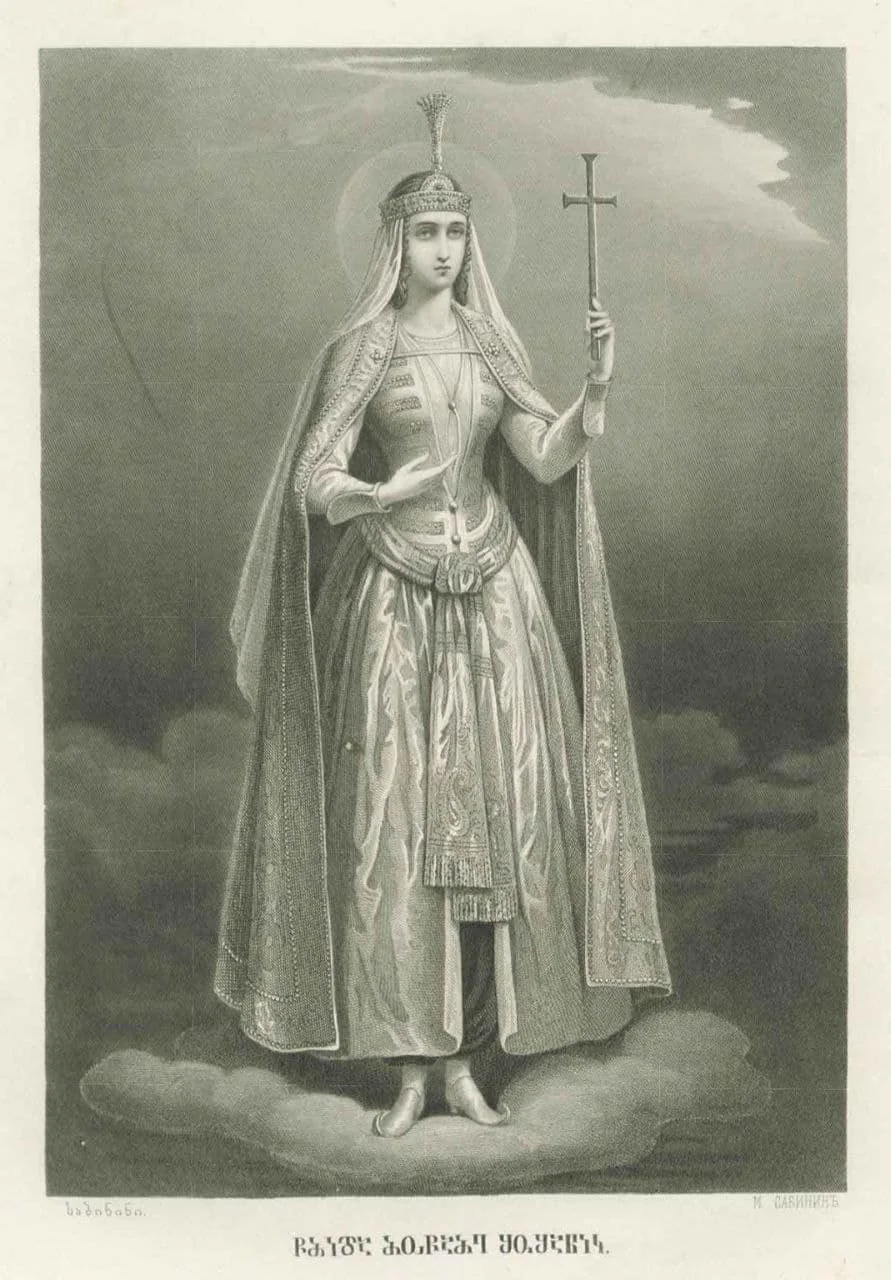
The echo of Avarayr reached neighbouring lands as well. Vardan's daughter Shushanik, who was married to Varsken, a prince of Kartli (Georgia), refused to follow her husband when he adopted Zoroastrianism, and died in captivity around 475. The account of her life, The Martyrdom of Shushanik, is considered one of the oldest surviving works of Georgian literature, and she is venerated as a saint by both the Armenian and the Georgian Churches.
In 481 a new revolt began under Vardan's nephew Vahan Mamikonian, coinciding with an uprising in Georgia. After several years of struggle, when King Peroz was killed in 484 in a war against the Hephthalites, his successor Balash concluded the Treaty of Nvarsak. It recognised the Armenians' religious freedom, abolished the fire temples built in Armenia and laid down that offices should be granted on merit rather than by religious affiliation. Soon afterwards Vahan Mamikonian was appointed marzpan of Armenia. Thus what could not be won by arms in 451 was achieved three decades later through persistent resistance and negotiation.
This period also shaped the doctrinal position of the Armenian Church. Armenian bishops had not taken part in the Ecumenical Council of Chalcedon held in 451. The first (506) and especially the second (554) Councils of Dvin rejected the decisions of Chalcedon, and the Armenian Church became doctrinally distinct from the Byzantine Church. The old Armenian calendar counts its years from 552. At the beginning of the 7th century, under Catholicos Abraham Aghbatanetsi, a break also occurred with the Georgian Church, which had accepted Chalcedon. Historians note that these disputes also had a political side, connected with the rivalry between Byzantium and Persia.
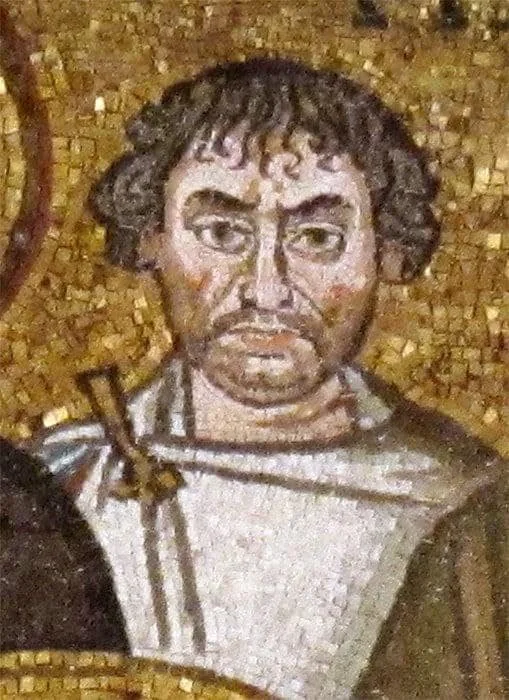
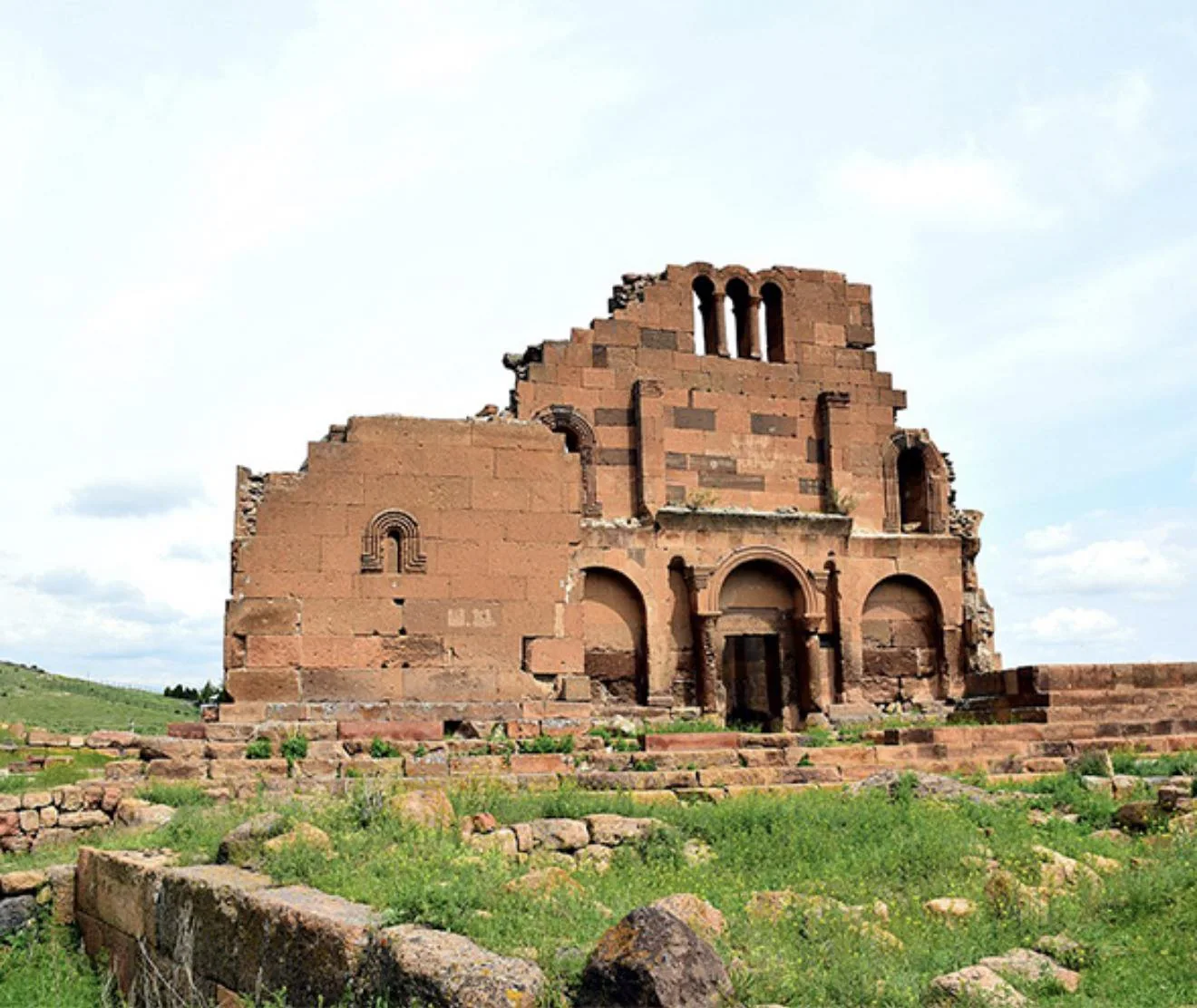
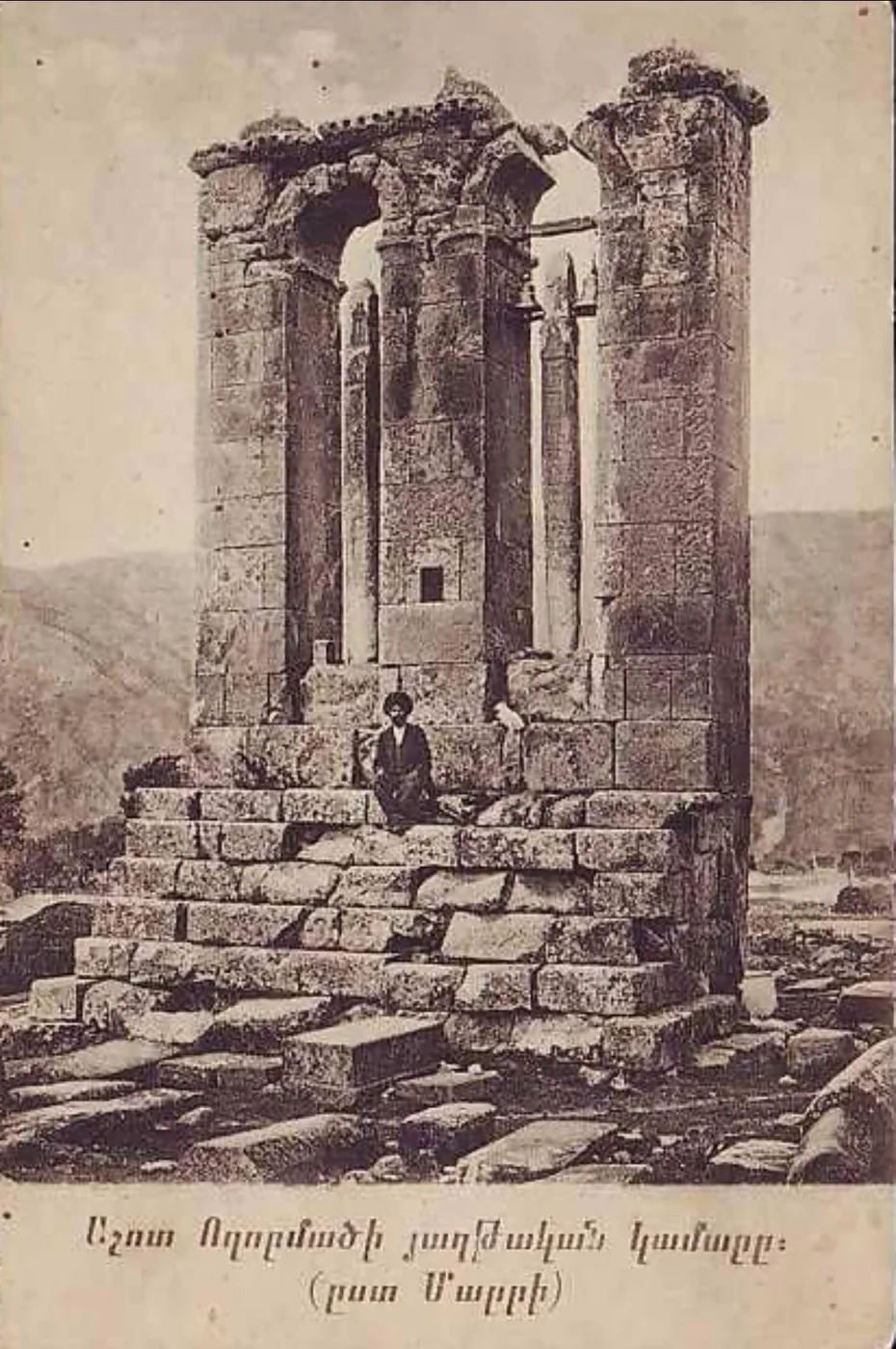
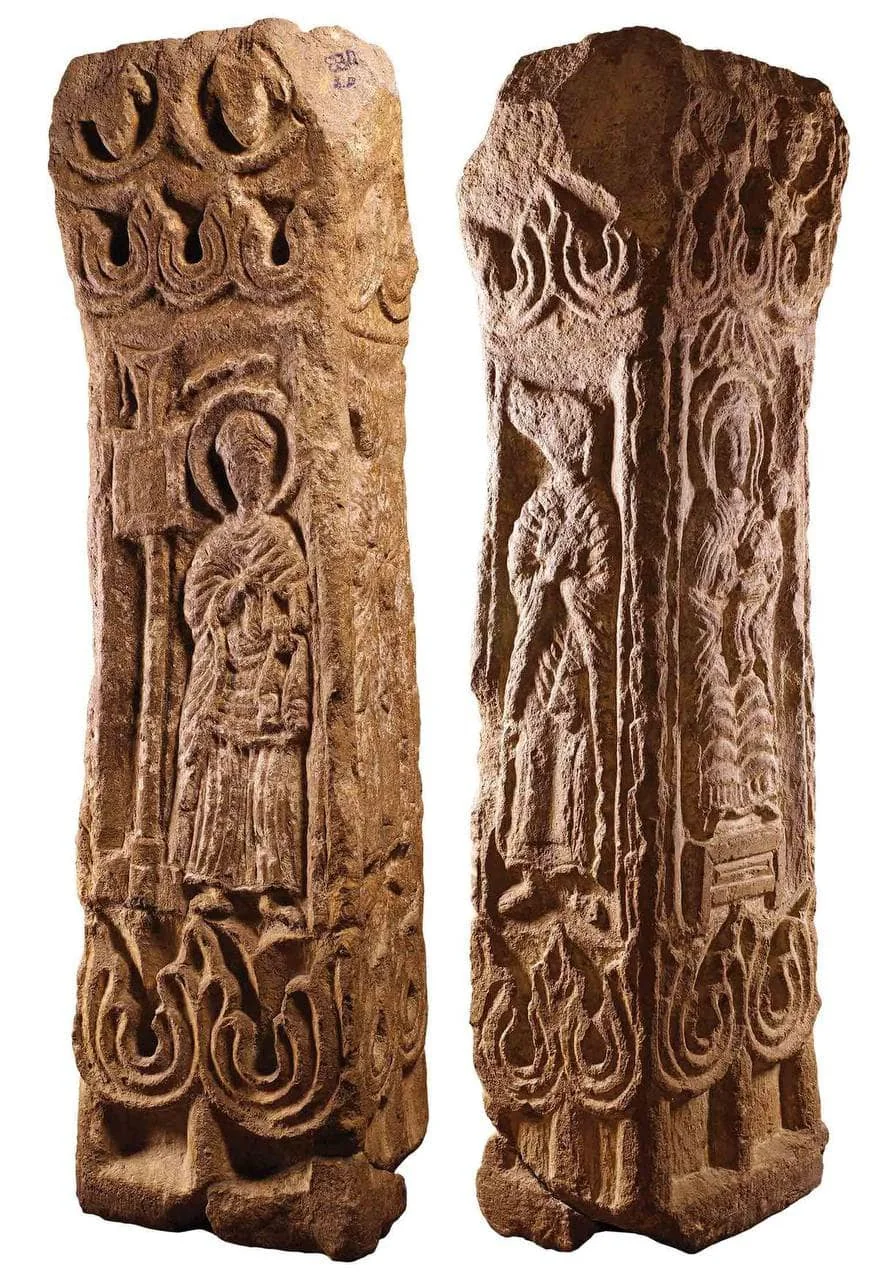
In the 6th century Armenia remained a theatre of war between the two empires. After the revolt led by Vardan the Red Mamikonian in 571–572, many Armenians found refuge in Byzantium, where soldiers of Armenian origin often rose to high positions; among them was Narses, the renowned general of Emperor Justinian. Under the treaty of 591 between Emperor Maurice and King Khosrow II, most of Armenia passed to Byzantium, although Dvin remained on the Persian side. Despite the wars, these centuries saw the building of the basilica of Ereruyk, the church of Odzun, the church of Saint Hripsime (618) and many other churches; carved four-sided stelae were erected, and a distinctive style of Armenian stone architecture took shape. In the 630s the Sasanian state weakened, and a new power appeared from the south: the Arab Caliphate, whose first campaign into Armenia took place in 640.