In the mid-7th century the Arab Caliphate swiftly conquered Sasanian Persia and most of Byzantium's eastern provinces. The first Arab campaign into Armenia is traditionally dated to 640, when Dvin was captured and sacked, although some historians place this event in 642. The country found itself between Byzantium and the Caliphate, and the Armenian princes had to keep a careful balance between two powerful neighbours.
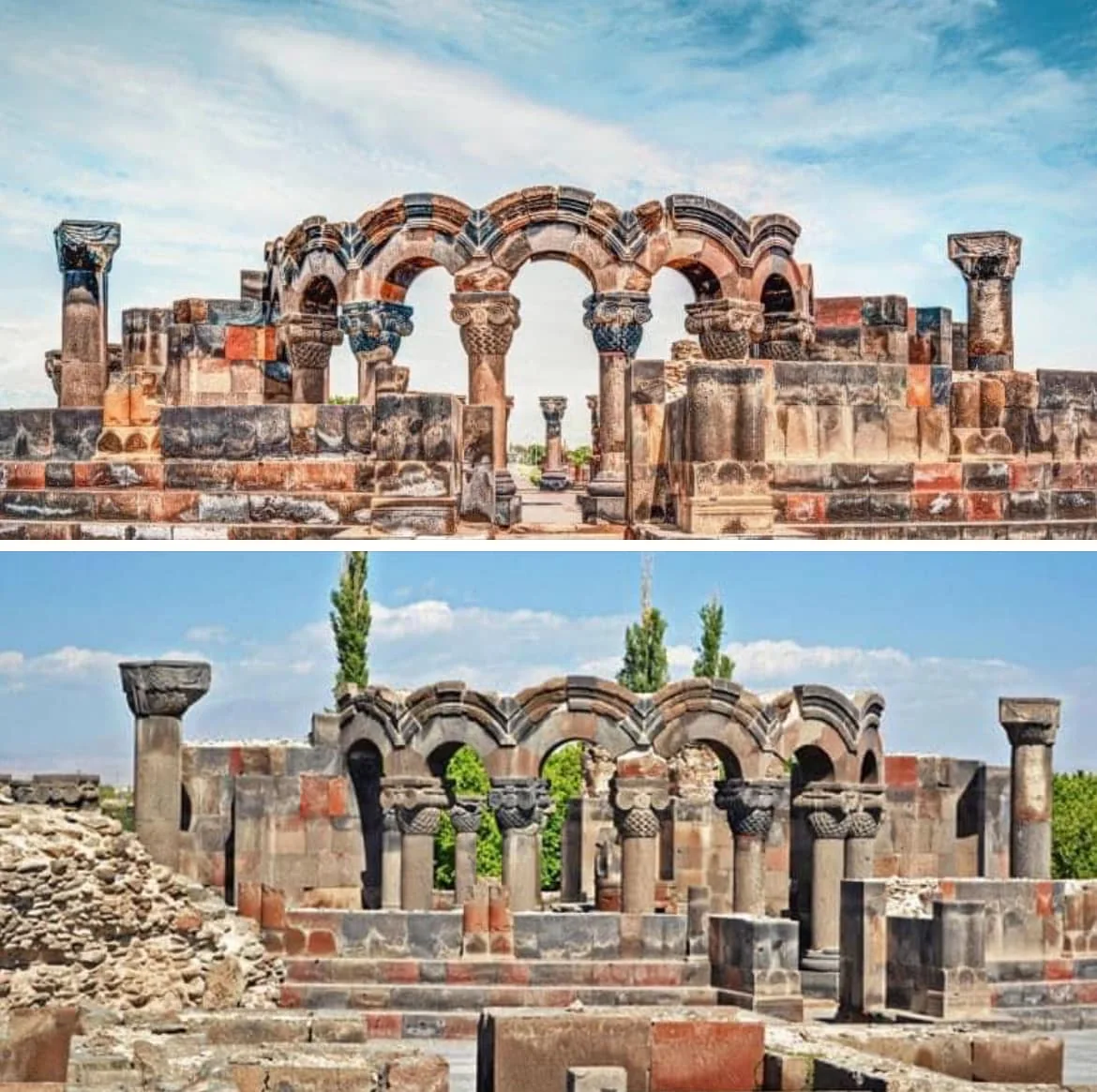
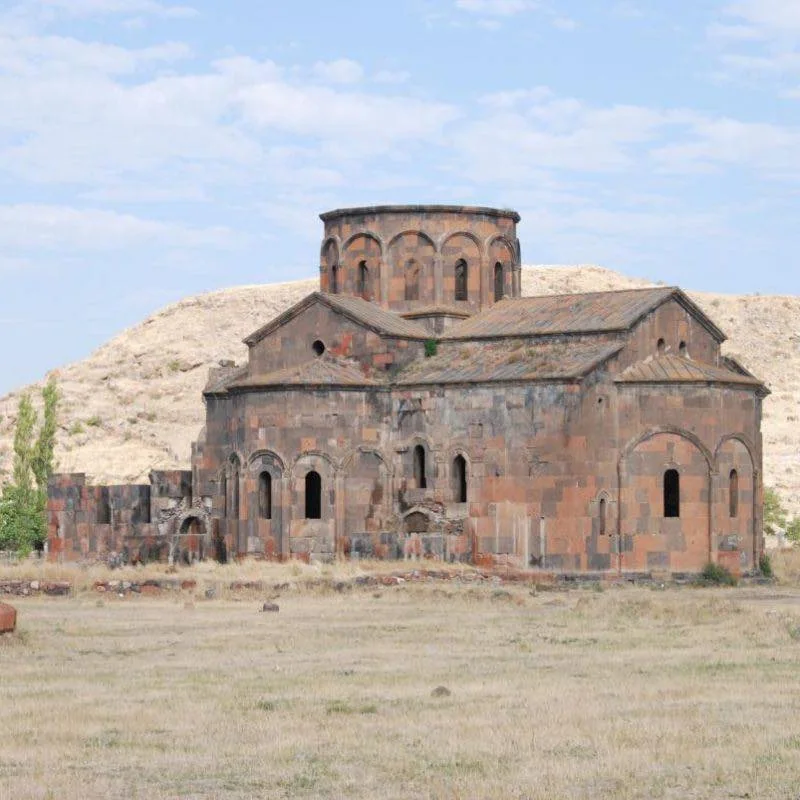
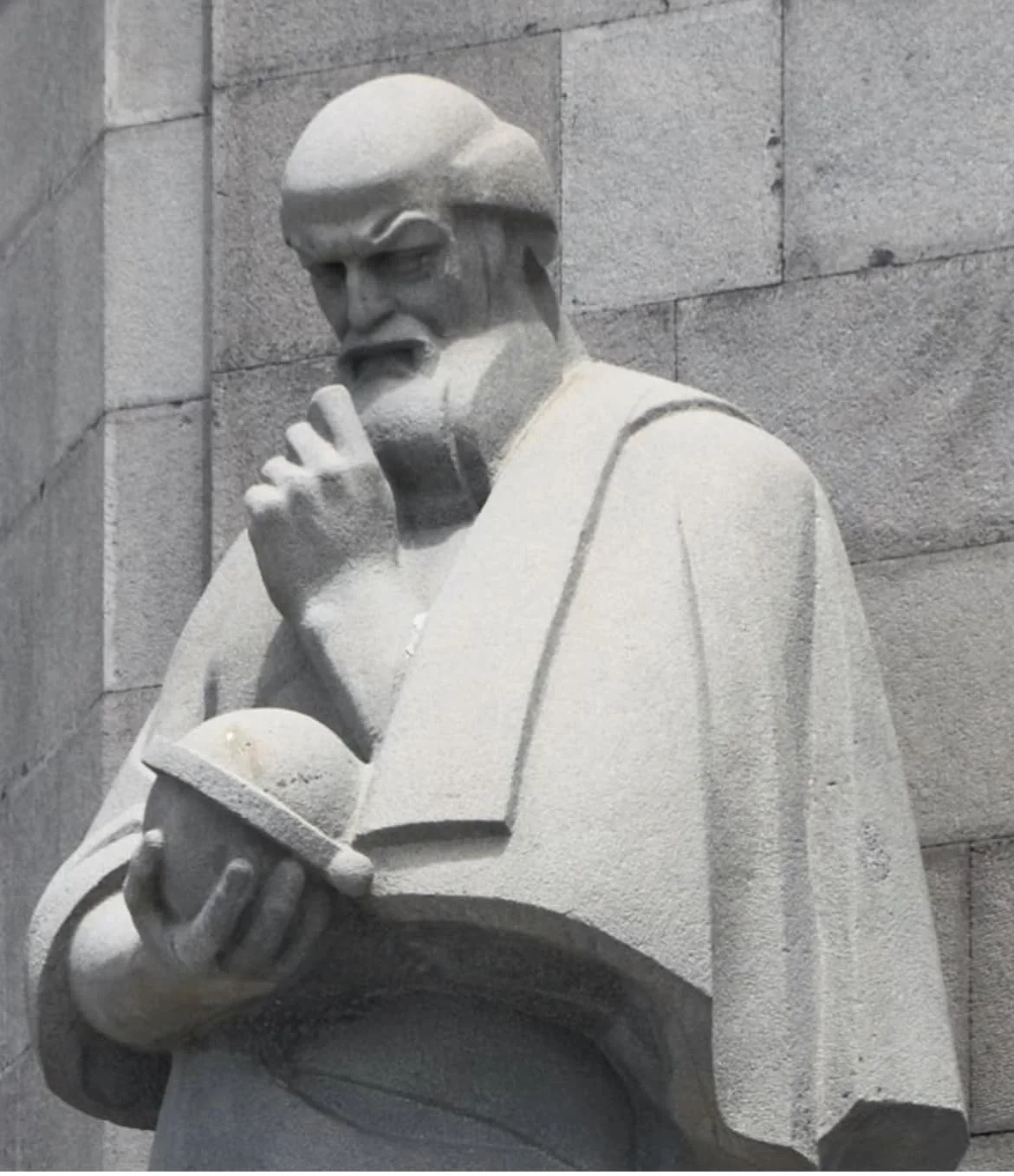
In those years the Armenian army was led by Prince Theodoros Rshtuni. In 652 he concluded an agreement with Muawiya, the Arab governor of Syria: Armenia recognised the Caliphate's supremacy but kept its internal autonomy, its cavalry and its Church, and no Arab troops were to be stationed in the country. Byzantium regarded this as betrayal, and in the following decades Armenia passed several times under the influence of one power or the other. At this time Catholicos Nerses III the Builder erected the cathedral of Zvartnots near Vagharshapat, which later, probably in the 10th century, collapsed. The 7th century also saw the building of the cathedrals of Talin, Mren and Aruch, while the scholar Anania Shirakatsi wrote works on arithmetic, calendar science and cosmography.
At the beginning of the 8th century the Umayyad caliphs established direct rule in Armenia. A vast administrative unit called Arminiya was created, which included Georgia and Caucasian Albania as well as Armenia. It was governed by an ostikan appointed by the caliph, whose seat was mainly at Dvin. The chronicler Ghevond relates that around 705, on the orders of an Arab commander, Armenian nakharars gathered at Nakhchavan and Khram were burned in churches, after which part of the nobility left for Byzantium. Taxes grew heavier, and Arab tribes settled in some towns and plains, later founding their own small emirates. At the same time trade revived across the Caliphate's vast territory, and Dvin became a notable centre of commerce and crafts.
Arab rule repeatedly met armed resistance. The largest uprising broke out in 774–775, led by Mushegh Mamikonian and other nakharars. In 775 the rebels were defeated in a battle at Bagrevand; the house of Mamikonian was greatly weakened, and the Bagratunis and Artsrunis came to the fore. At the beginning of the 9th century Ashot Msaker (the Meat-Eater) of the Bagratuni family extended his power over several provinces and was recognised by the Caliphate as prince of princes, while the Artsrunis strengthened their hold on Vaspurakan. The Caliphate often set the princes against one another, yet over time it had to rely on them.
In the mid-9th century the Caliphate tried to restore tight control. In 850–851, after the arrest of Bagrat Bagratuni, prince of Taron, the mountaineers of Sasun (Sason) rose in revolt and killed the ostikan Yusuf in Mush. In response Caliph al-Mutawakkil sent the general Bugha to Armenia, and his campaign (852–855) brought widespread destruction. Many nakharars were taken captive to Samarra, the Caliphate's capital, where they were pressed to convert to Islam; some complied, while many of those who refused were martyred.
According to most scholars, the events of this period lie at the historical core of the Armenian folk epic Daredevils of Sasun (Sasna Tsrer). The epic was passed down orally for centuries and was first written down in 1873 by Garegin Srvandztiants. Its four branches, from Sanasar and Baghdasar to David of Sasun and Mher the Younger, tell of the struggle of the heroes of Sasun against the kings of Msr. The epic is not a historical chronicle but a folk creation in which memories of different centuries are interwoven, yet its freedom-loving spirit reflects the real life and traditions of mountainous Sasun.
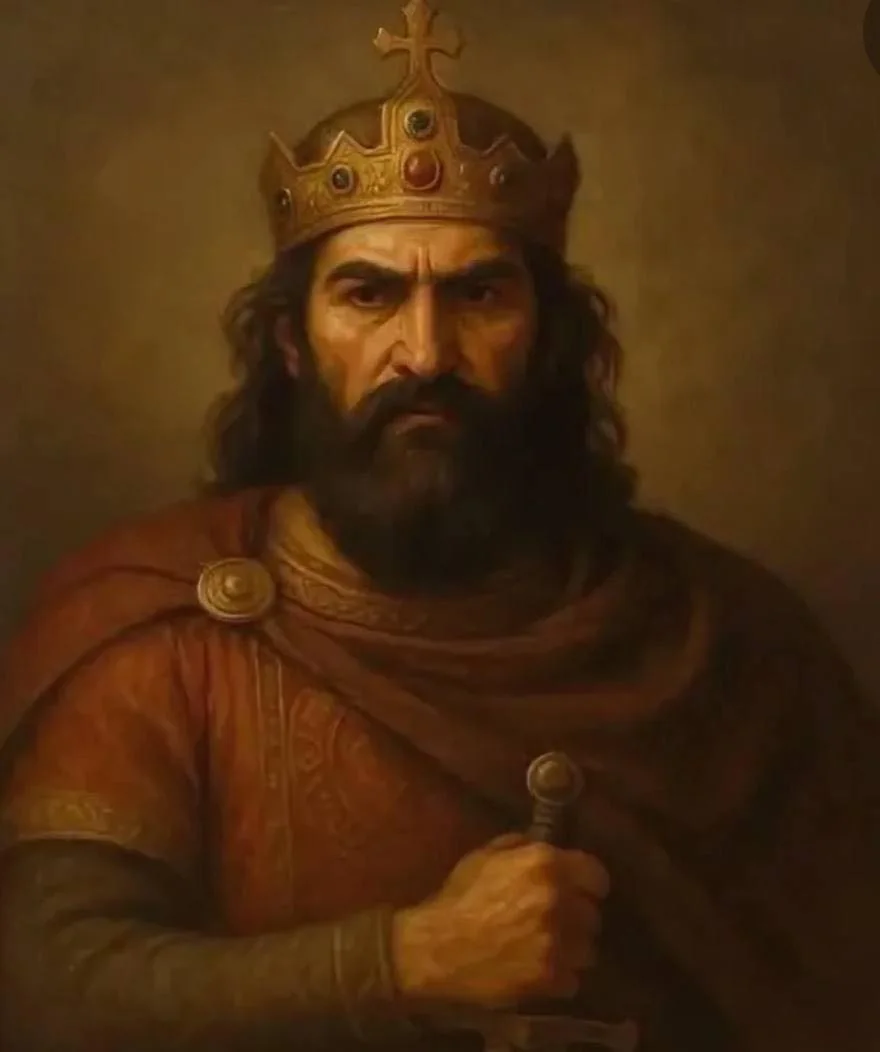
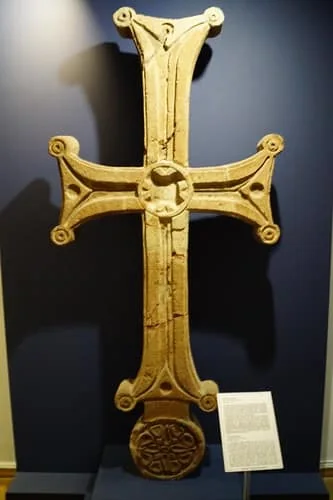
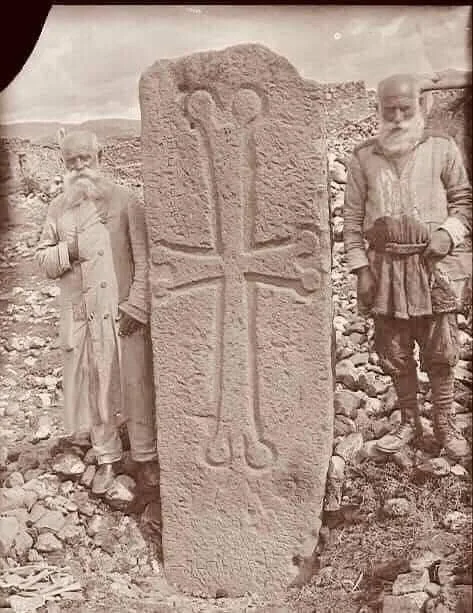
After the events of Samarra the house of Bagratuni managed to restore its position. In 862 Ashot Bagratuni was recognised as prince of princes and, as the Caliphate weakened, rallied the Armenian princes around himself. His coronation took place in 885; the years 884 and 886 are also found in the sources. The two and a half centuries of Arab rule were hard, yet during this time the Armenian Church, the written language and the order of the nakharars survived, and in the second half of the 9th century the first dated khachkars (cross-stones) appeared, which later became one of the symbols of Armenian art.