In 885 Ashot Bagratuni was crowned King of Armenia, and royal power was restored in Armenia after four and a half centuries. His crown was recognised both by the Abbasid caliph and by the Byzantine emperor, each of whom wanted an influential ally in the Caucasus. Ashot I (885–890) brought the Armenian princely houses under his authority or made them his allies, and his son Smbat I (890–914) continued the work of unifying the country. Yet the kingdom was not a centralised state: the great princely houses retained considerable independence, and in time several of them proclaimed kingdoms of their own.
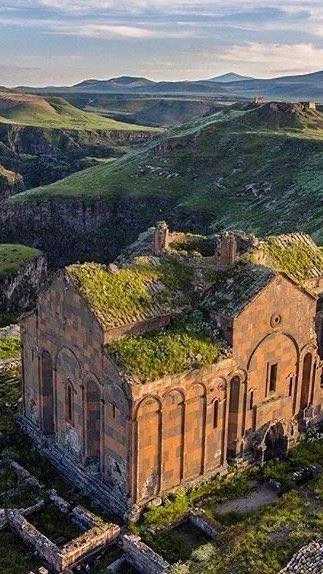
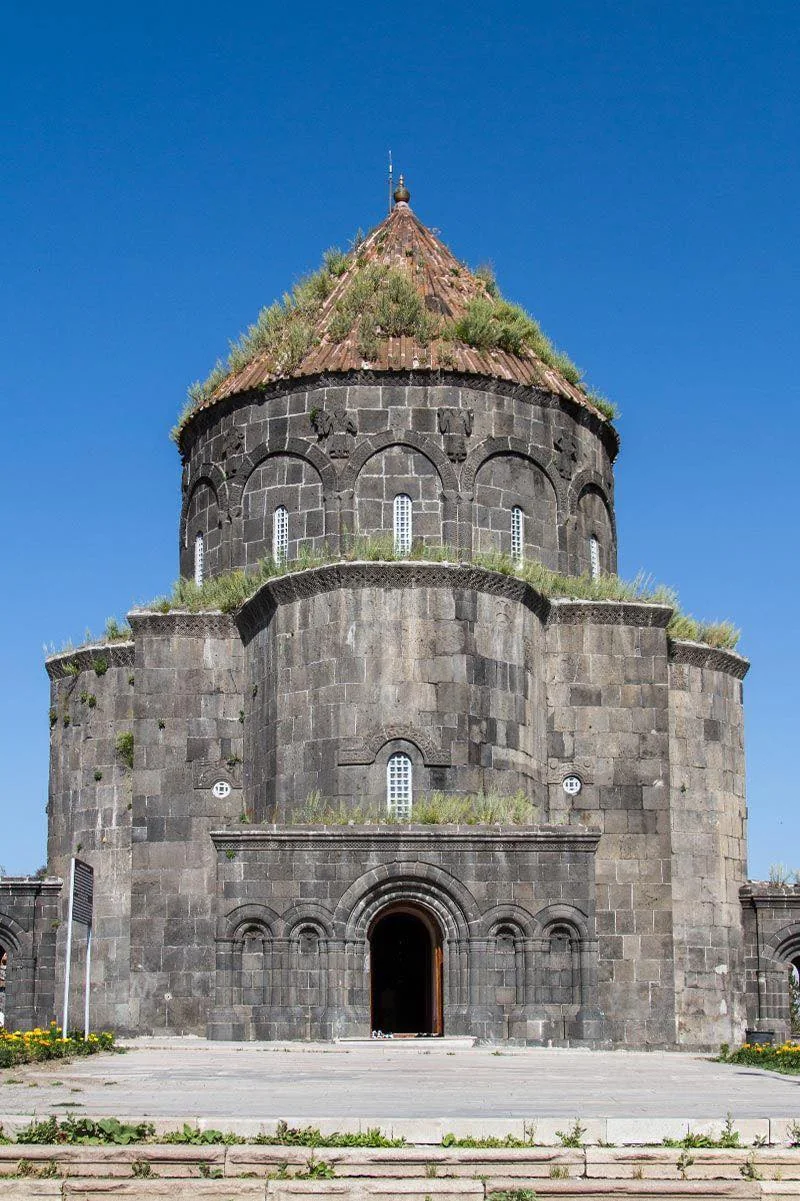
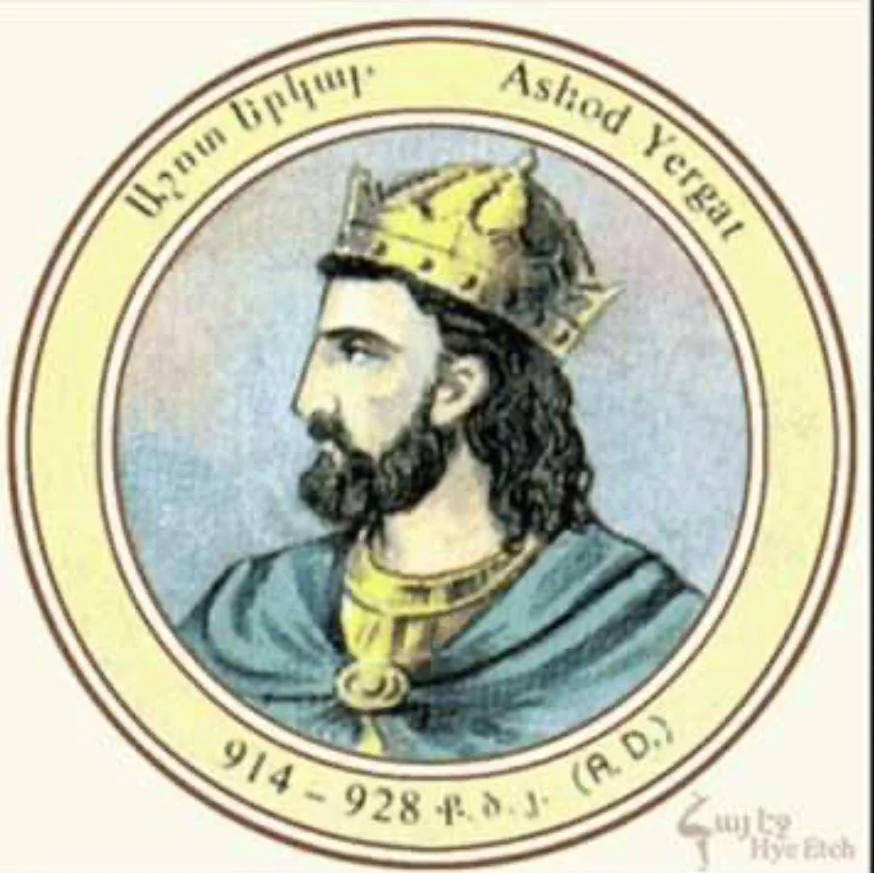
The early 10th century brought a severe ordeal. Yusuf, the Sajid emir of Atrpatakan (Iranian Azerbaijan), nominally subject to the caliph, invaded Armenia, captured Smbat I and had him executed in 914. His son Ashot II, called the Iron by his contemporaries, fought for years to free the country. According to tradition, he and Gevorg Marzpetuni defeated an Arab army on the shore of Lake Sevan. Ashot II's brother and successor Abas (929–953) made Kars his residence, and the Church of the Holy Apostles was built there.
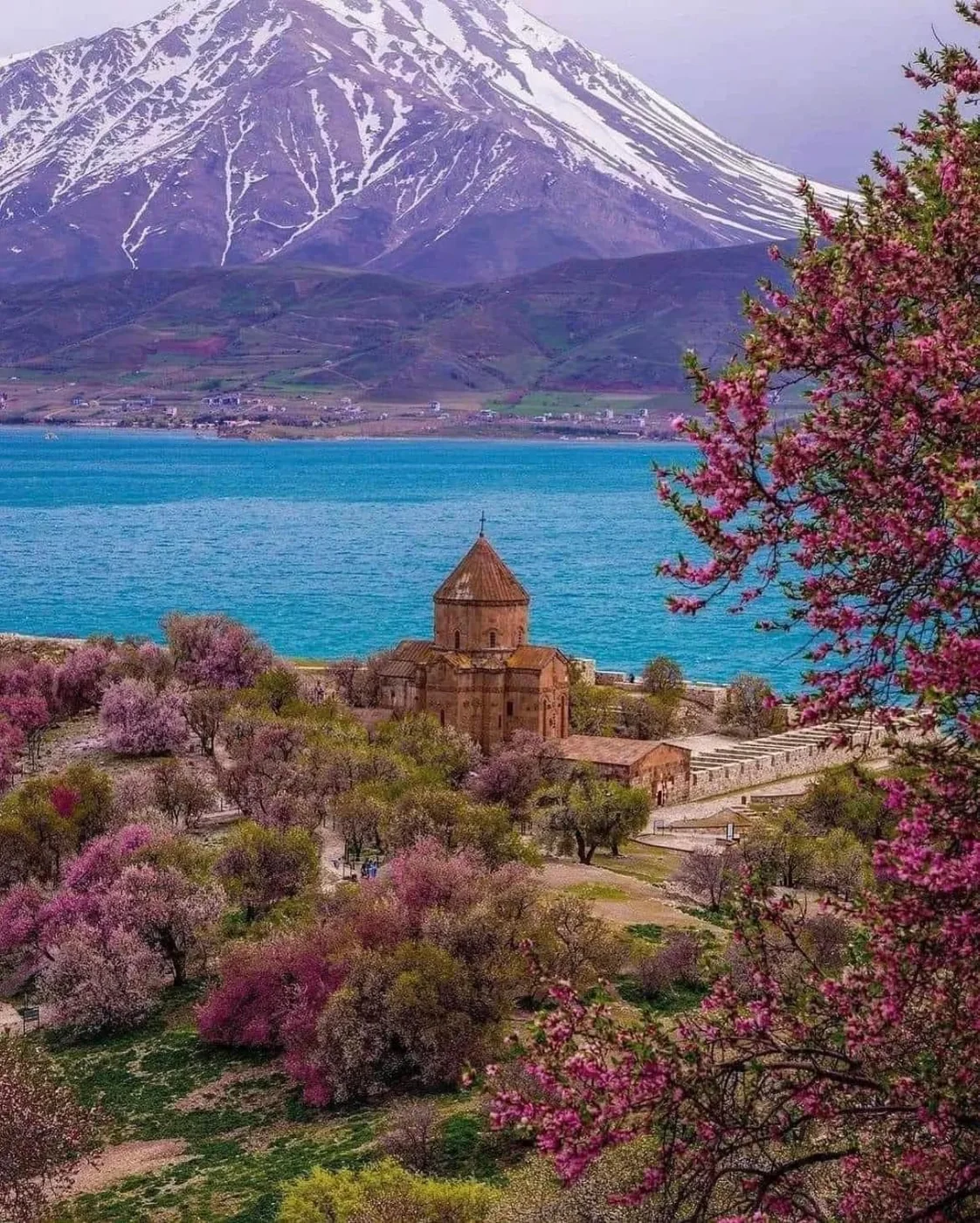
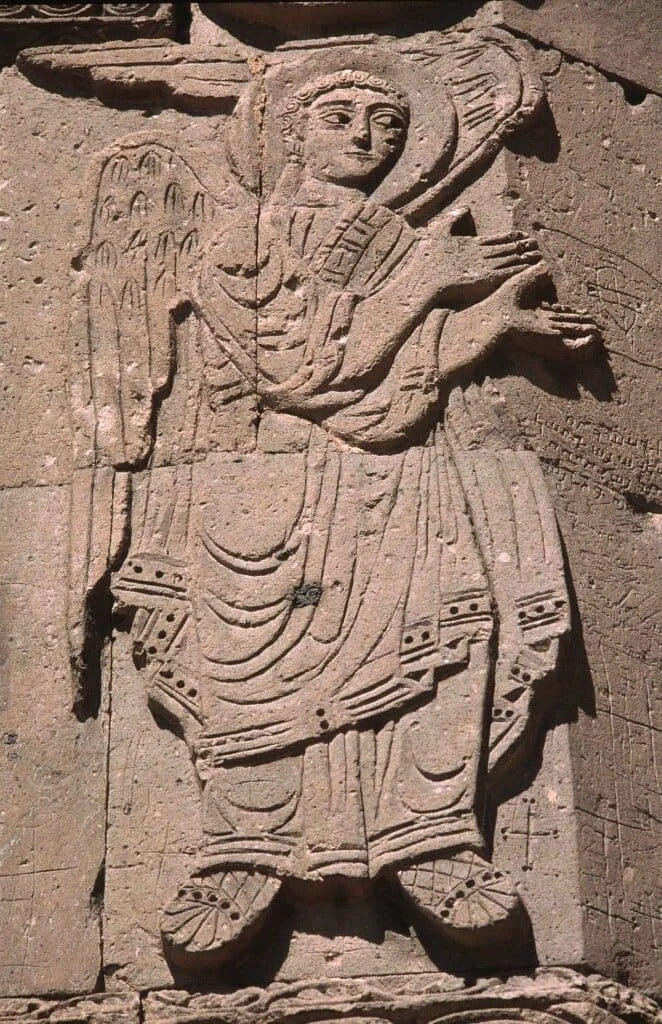
Meanwhile Vaspurakan, ruled by the Artsrunis, grew stronger. In 908 Gagik Artsruni received a crown from the Sajid emir, and Vaspurakan became a separate kingdom. At his commission, in 915–921, the architect Manuel built the Church of the Holy Cross on the island of Aghtamar (Akdamar) in Lake Van; its outer walls are adorned with rich reliefs of biblical scenes and images of secular life. In the following decades kingdoms were also founded in Kars (963), in Syunik (about 987) and in Lori, the kingdom of Tashir-Dzoraget (about 979). These states recognised the supremacy of the king of Ani to varying degrees, but often acted independently.
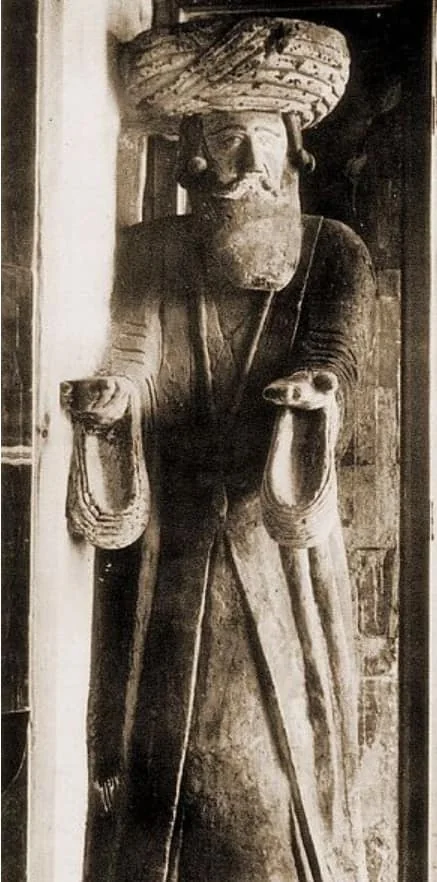
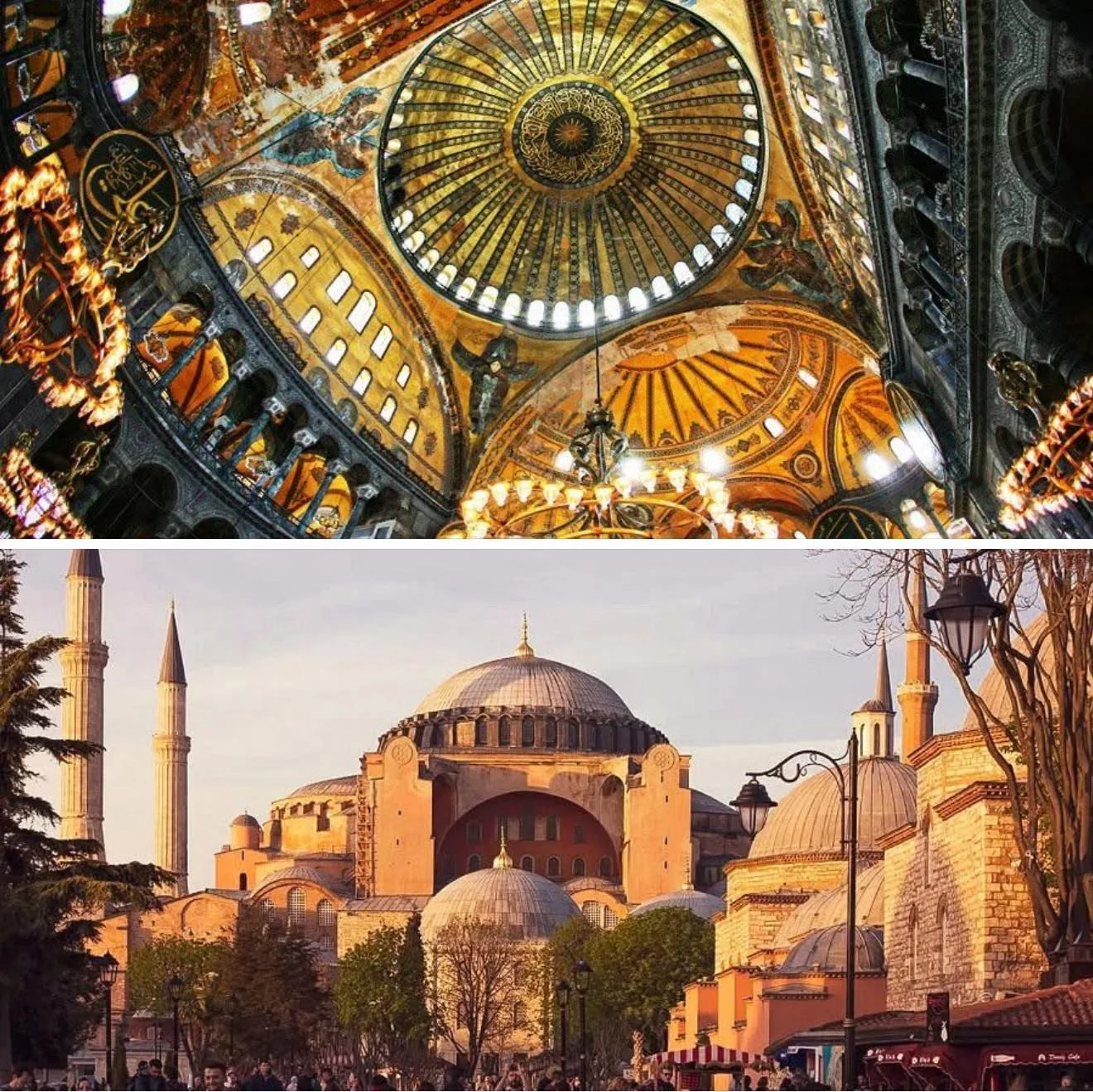
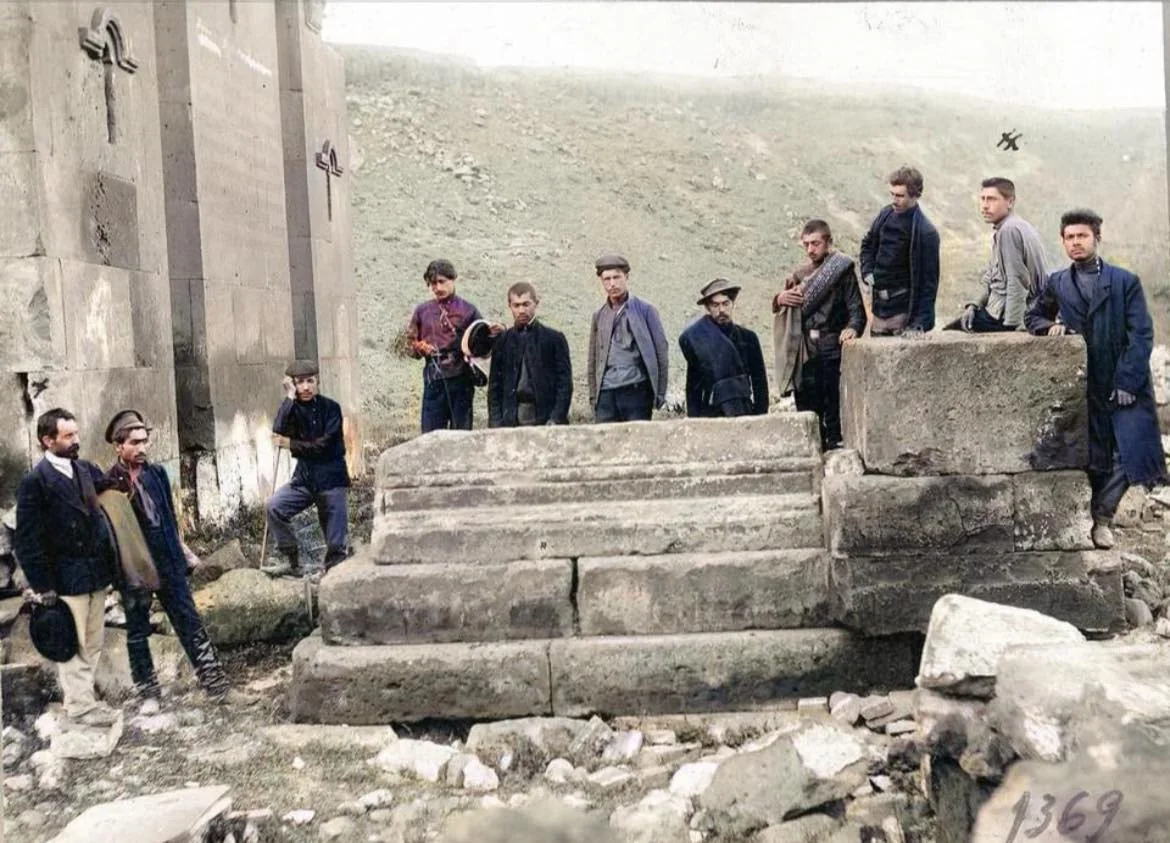
In 961 Ashot III the Merciful (953–977) moved the capital to Ani, a strong fortress city on the high bank of the Akhurian River. Smbat II (977–989) surrounded the city with new walls, and under Gagik I (989–1020) the kingdom reached the height of its power. Ani became a hub of trade routes and a centre of crafts. Tradition calls it “the city of a thousand and one churches”, but this is a poetic exaggeration: historians estimate its population in the tens of thousands, though the exact figure is disputed. In 1001, under the patronage of Queen Katranide, the Cathedral of Ani was completed; its architect Trdat was also known in Constantinople (Istanbul), where after the earthquake of 989 he had restored the dome of Hagia Sophia. Gagik I also built the round church of Saint Gregory (Gagkashen), in whose ruins a statue of the king holding a model of the church was later found.
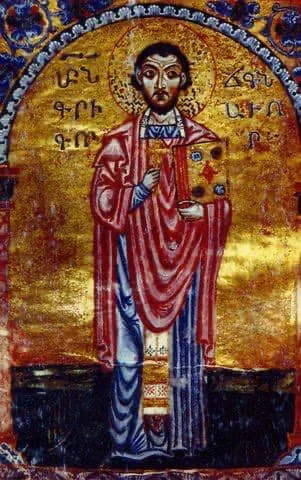
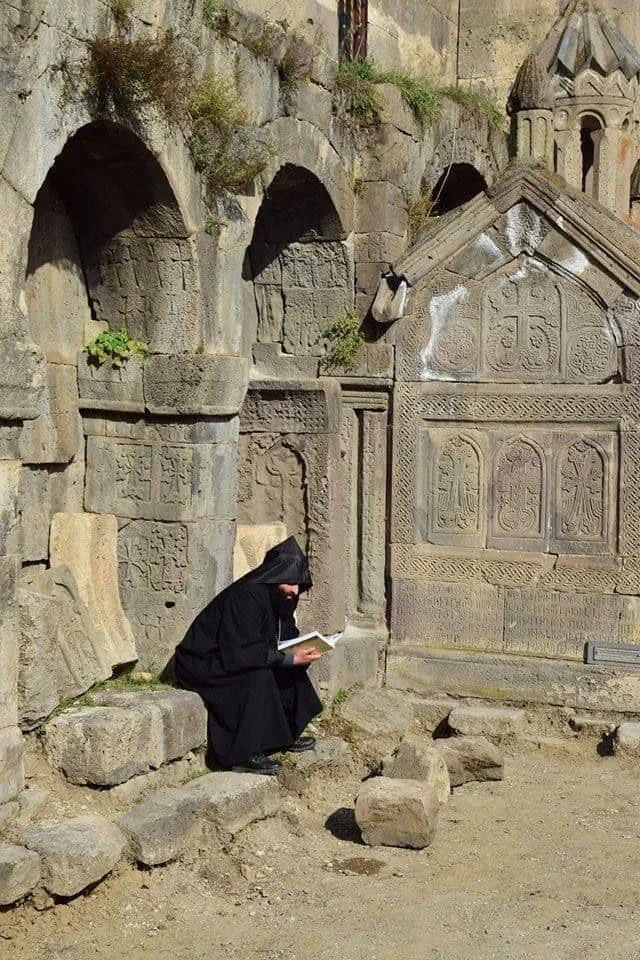
The Bagratid period was a time of cultural flourishing. In Syunik the Church of Saints Peter and Paul at Tatev was built in 895–906, and in the second half of the 10th century, under the patronage of Queen Khosrovanuysh, wife of Ashot III, the monasteries of Sanahin and Haghpat were founded in Lori. The monasteries housed schools and scriptoria, and manuscript illumination flourished. At the monastery of Narek in Vaspurakan lived and wrote Grigor Narekatsi (about 951–1003), whose Book of Lamentations is still regarded as one of the summits of Armenian spiritual literature. The historians Hovhannes Draskhanakerttsi, Tovma Artsruni and Stepanos Taronetsi (Asoghik) recorded the history of their time.
At the beginning of the 11th century Byzantium, strong again under Emperor Basil II, began to absorb the Armenian kingdoms. In 1021 Senekerim-Hovhannes Artsruni ceded Vaspurakan to the empire, receiving lands in the region of Sebastia (Sivas) in return. King Hovhannes-Smbat of Ani (1020–1041), under imperial pressure, bequeathed his kingdom to Byzantium after his death. When he died, the defenders of Ani, among them the sparapet Vahram Pahlavuni, raised the young Gagik II to the throne in 1042, and he resisted successfully for several years. In 1045, invited to Constantinople for negotiations, he was forced there to abdicate, and Ani was annexed to the empire.
Byzantine rule did not last long. In 1064 the Seljuk sultan Alp Arslan besieged and took Ani, and in 1065 Gagik-Abas, the last king of Kars, ceded his land to Byzantium. Only the small kingdoms of Syunik and Lori survived longer. After the fall of the Bagratid kingdom Armenia was left without state defence of its own against new invasions from the east, and part of the population began to migrate westwards. Yet the churches, fortresses and khachkars of that era still bear witness that the 10th and 11th centuries were among the most fruitful periods of Armenian architecture and art.