In 190 BC Rome crushed the Seleucid king Antiochus III at the battle of Magnesia. Taking advantage of the Seleucids’ weakness, Artashes, governor of Greater Armenia, and Zareh, governor of Sophene, proclaimed themselves independent kings around 189 BC. Boundary stones bearing Aramaic inscriptions of Artashes I, found in the Lake Sevan basin, in Syunik and elsewhere, call him an Orontid king, son of Zareh. This shows that he linked himself to the previous royal house. Artashes united the surrounding Armenian regions, and the Greek geographer Strabo writes that the inhabitants of all these lands spoke the same language.
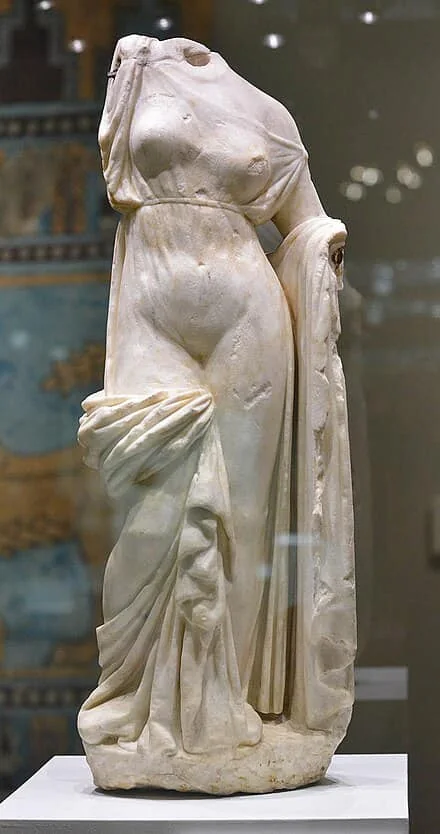
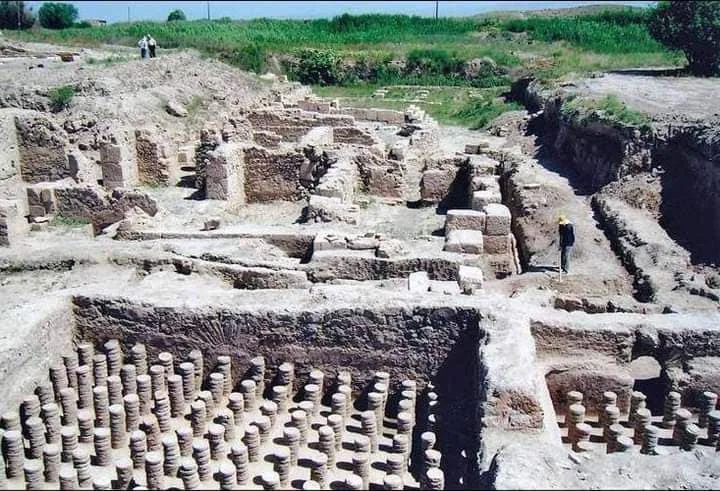
On hills near Khor Virap, on the bank of the Araxes, Artashes built a new capital, Artashat. The ancient authors Strabo and Plutarch relate that the Carthaginian general Hannibal, a fugitive from Rome, advised Artashes on the choice of the site. This story cannot be confirmed from any other source, but many historians consider it plausible. Artashat became a major centre of trade and crafts and remained the chief city of Armenia for several centuries. Excavations have uncovered walls, temples, baths, workshops, thousands of clay seal impressions and works of Hellenistic art, among them a marble statue of a goddess that Armenian researchers associate with Astghik.
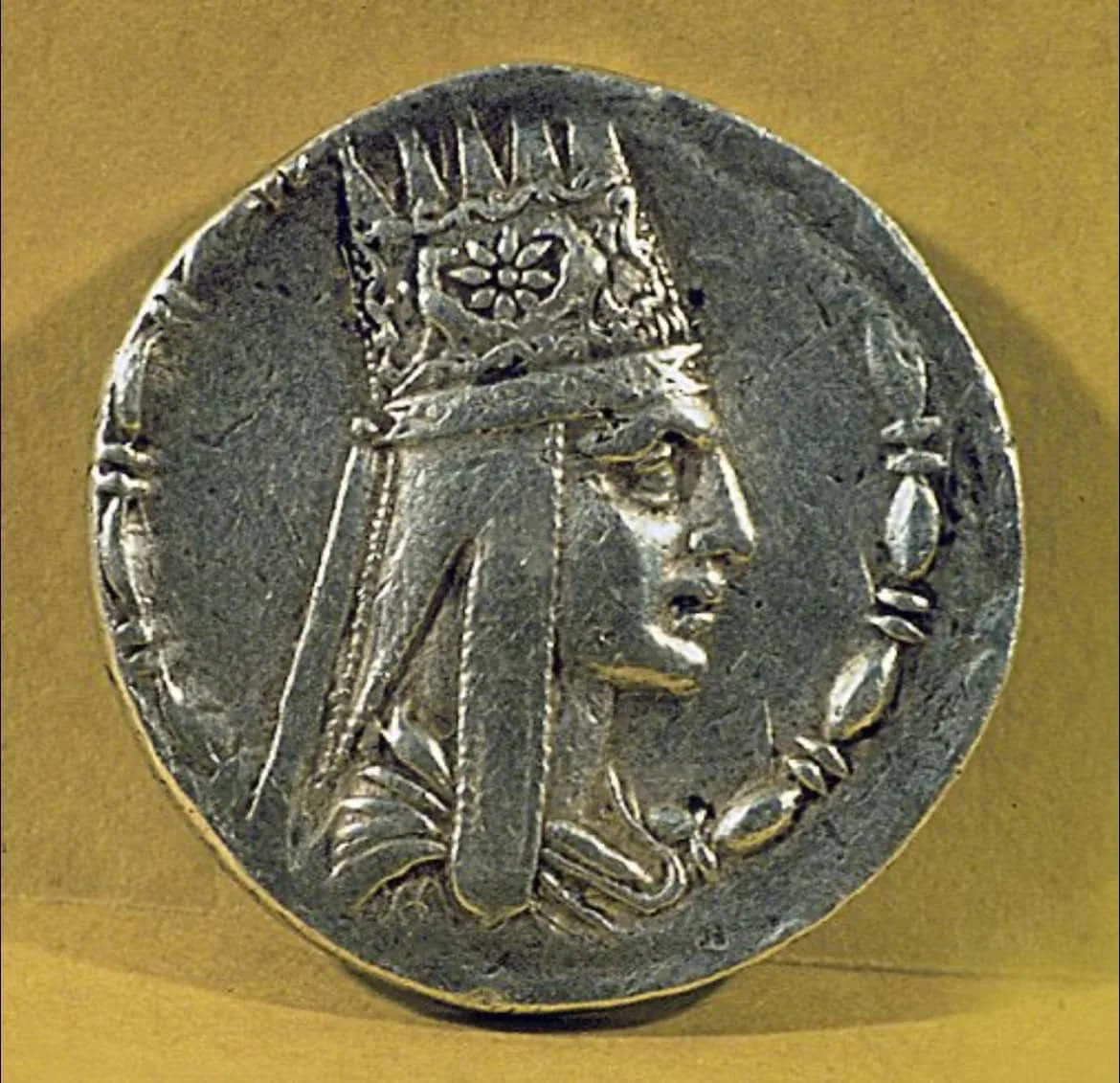
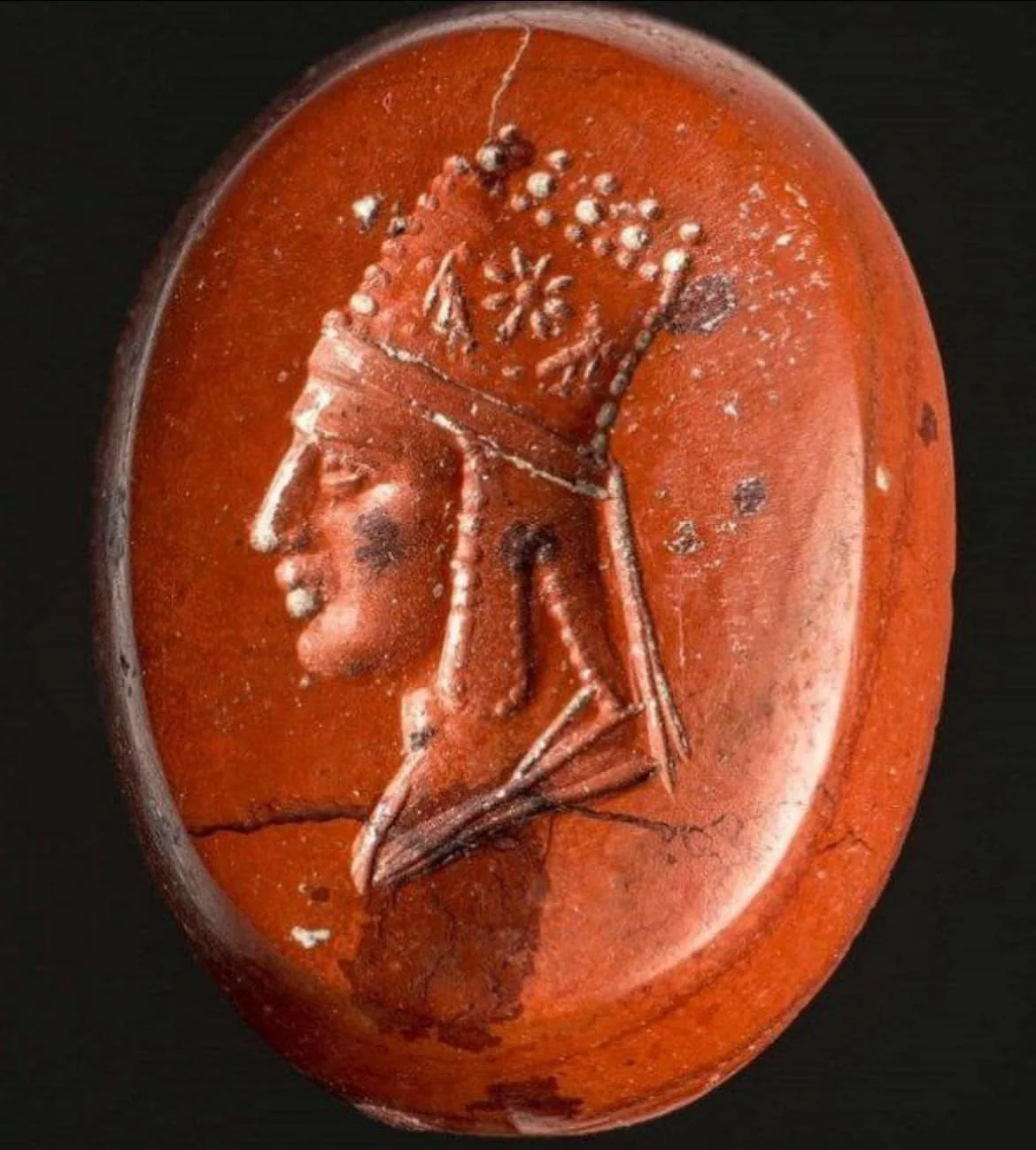
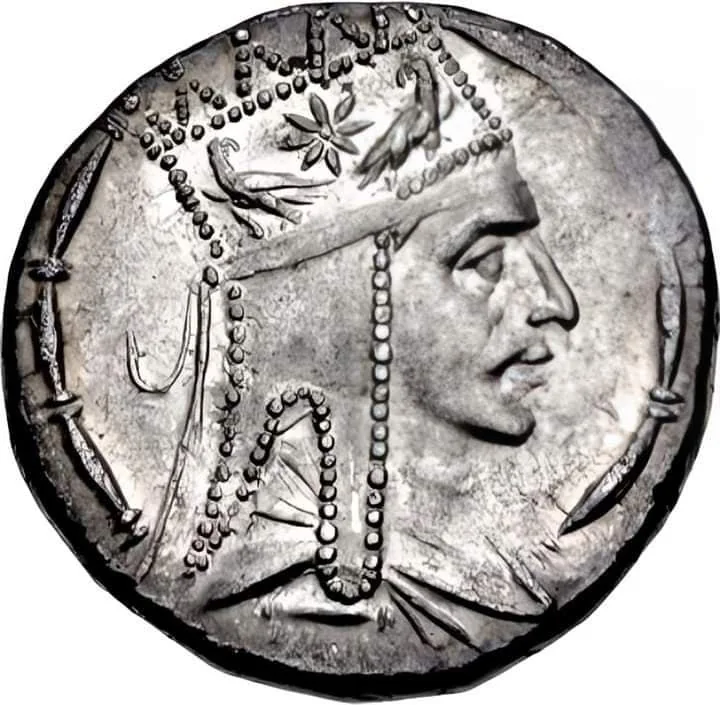
The most famous member of the Artaxiad house is Tigran II, known to history as Tigran the Great (95–55 BC). As a young man he was a hostage at the Parthian court, and he came to the throne by ceding ‘70 valleys’ to Parthia. After becoming king he annexed Sophene to Greater Armenia and concluded an alliance with Mithridates VI Eupator, king of Pontus, marrying his daughter Cleopatra. Then, taking advantage of internal turmoil in Parthia, he recovered the ceded lands and extended his overlordship over Atropatene, Gordyene and northern Mesopotamia. In 83 BC the remnants of the Seleucid state, Syria and Phoenicia, accepted his rule. Tigran took the title ‘king of kings’, and for a short time his realm stretched from the Armenian Highlands to the eastern shore of the Mediterranean. On his silver coins struck at Antioch the king is shown wearing the tall Armenian tiara, decorated with a star and two eagles.
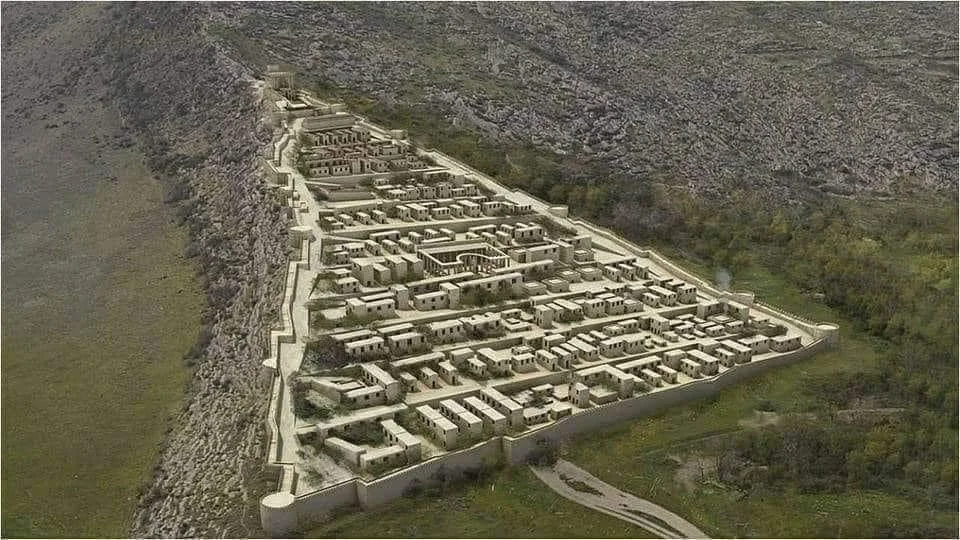
At the height of his power Tigran built a new capital, Tigranakert, and settled it with people moved from Cappadocia, Cilicia, Mesopotamia and elsewhere. The exact location of Tigranakert is debated among scholars. Today it is most often placed in the upper Tigris basin, in the region of Aghdznik, while some earlier researchers identified it with present-day Diyarbakır. There were also cities named Tigranakert in other regions, and the ruins of one of them are being excavated in Artsakh.
Tigran’s alliance with Mithridates brought him into conflict with Rome. When Mithridates, defeated by the Romans, took refuge in Armenia and Tigran refused to hand him over, the Roman general Lucullus invaded Armenia and in 69 BC defeated Tigran’s army near Tigranakert. The city was taken, and most of the people who had been forcibly resettled there returned to their homelands. The following year Lucullus tried to reach Artashat, but the approaching winter and the discontent of his own soldiers forced him to retreat. In 66 BC Rome entrusted the conduct of the war to Gnaeus Pompey. By then Tigran’s son, Tigran the Younger, had rebelled against his father and, with Parthian support, marched on Artashat. The old king decided to avoid war and came in person to Pompey’s camp. Pompey left him the throne of Greater Armenia, but Tigran lost Syria and his other conquests, paid a large indemnity and was recognised as a ‘friend and ally’ of Rome.
Tigran was succeeded by his son Artavazd II (55–34 BC), who had a Greek education and, according to Plutarch, wrote tragedies, speeches and historical works in Greek. Under him Armenia had to keep a balance between Rome and Parthia. In 53 BC, at the battle of Carrhae (Harran), the Parthians destroyed the army of the Roman general Crassus. Plutarch relates that news of Crassus’s death reached Artashat at the very moment when Euripides’ tragedy The Bacchae was being performed before Artavazd and the Parthian king. Later the Roman general Mark Antony blamed Artavazd for his own failed campaign against the Parthians, seized him by a ruse in 34 BC and took him to Alexandria. After the battle of Actium (31 BC) Artavazd was killed on Cleopatra’s orders.
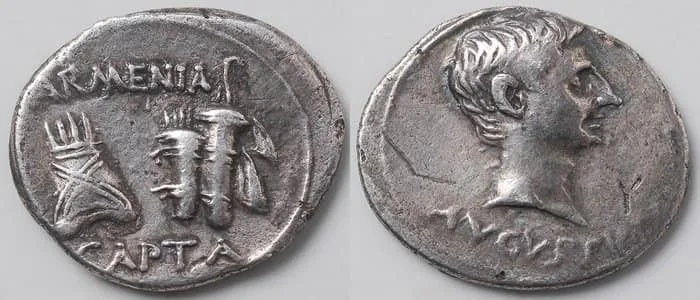
In the following decades the Armenian throne became an object of rivalry between Rome and Parthia. Artashes II, Tigran III, Tigran IV and his sister and wife Erato ruled with the support now of one, now of the other. In 20 BC, after placing Tigran III on the throne, the emperor Augustus struck coins with the inscription ‘Armenia capta’, ‘Armenia conquered’, although in reality Armenia remained a separate kingdom. At the beginning of the Common Era, with Queen Erato, the Artaxiad dynasty came to an end. During its more than two centuries of rule the state of Greater Armenia took shape, with its capitals, its borders and its Hellenistic culture, and in later centuries this legacy was seen as the foundation of Armenian statehood.