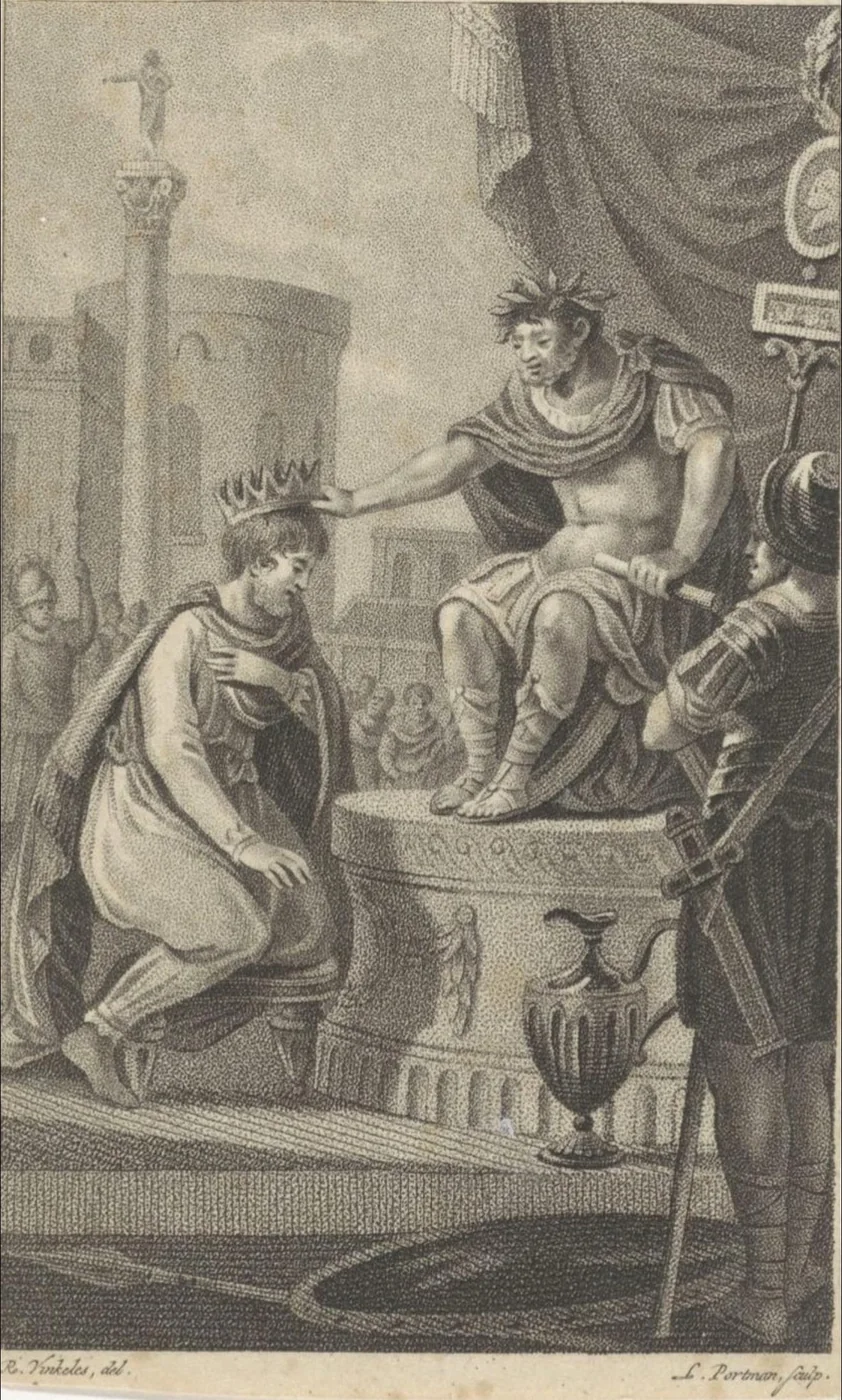
After the fall of the Artaxiads, Armenia remained for several decades the main arena of rivalry between Rome and Parthia. Around 52 AD the Parthian king Vologases I placed his brother, Trdat I (Tiridates I), on the Armenian throne. Rome did not accept this, and a long war began, during which the Roman general Corbulo captured and burned Artashat. Finally, by an agreement concluded at Rhandeia in 63, it was decided that Trdat would remain king but would receive his crown from the hands of the Roman emperor. In 66 Trdat travelled to Rome with a large retinue, and there the emperor Nero solemnly crowned him. Thus the Armenian Arsacid royal house was established, and with some interruptions it ruled Armenia for more than three and a half centuries.
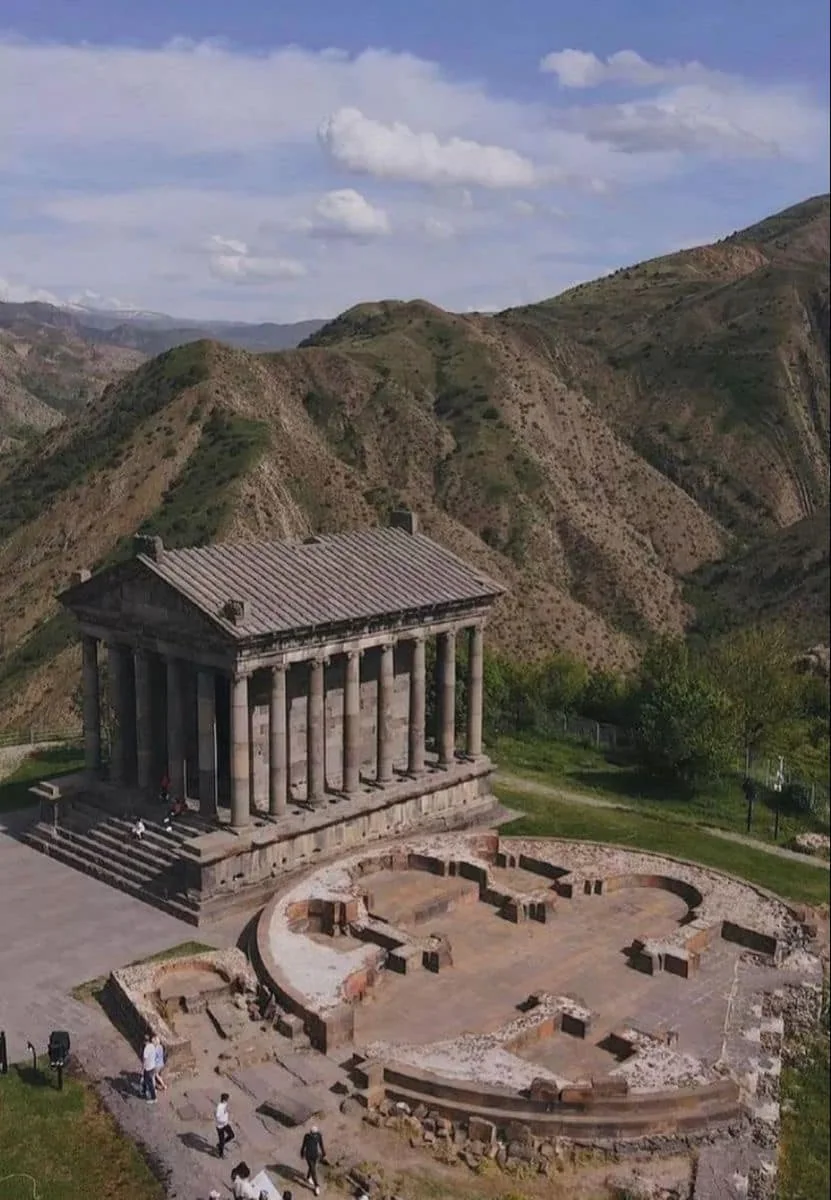
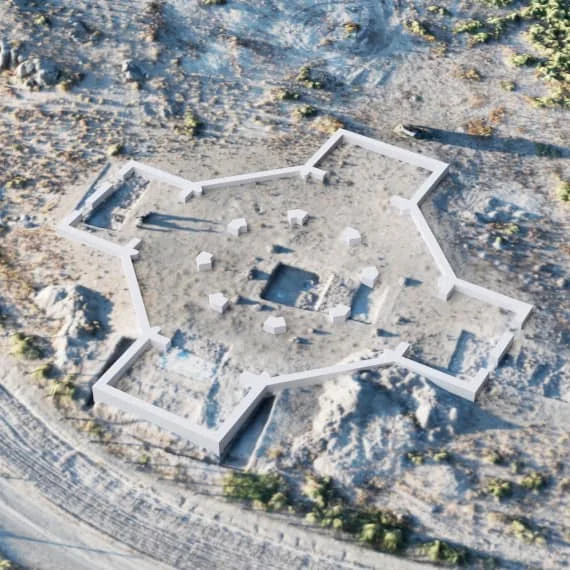
According to Roman historians, Trdat returned from Rome with craftsmen who helped to rebuild Artashat. A Greek inscription found in the fortress of Garni attributes its construction to King Trdat. The colonnaded temple standing inside the fortress is the only standing building in the Hellenistic and Roman style in Armenia. Most scholars date it to the second half of the 1st century, although later dates have also been proposed, and some researchers believe it was not a temple but a tomb. Collapsed in the earthquake of 1679, the building was reconstructed in 1969–1975 using the original stones preserved on the site.
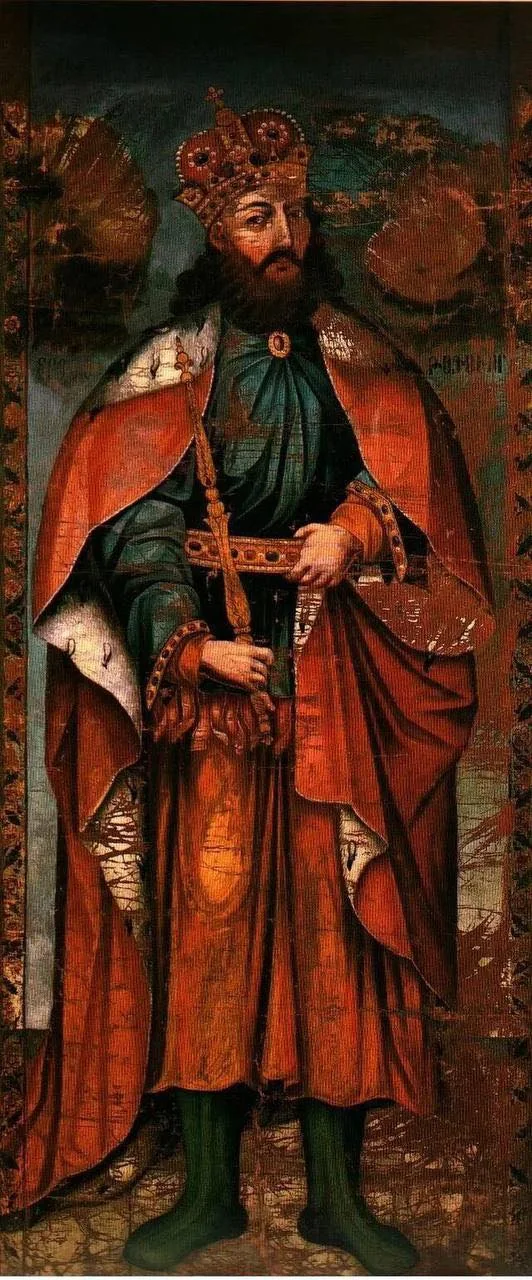
In the following centuries Armenia remained at the centre of the rivalry between the two empires. In the 2nd century the city of Vagharshapat was founded and for a time served as a royal residence. In 224 the Sasanians replaced the Arsacids in Persia. They regarded the Armenian Arsacids as an enemy house, and in the middle of the 3rd century Armenia was under Persian rule for several decades. At the end of the century Trdat III, with Roman support, returned to the throne of his ancestors.
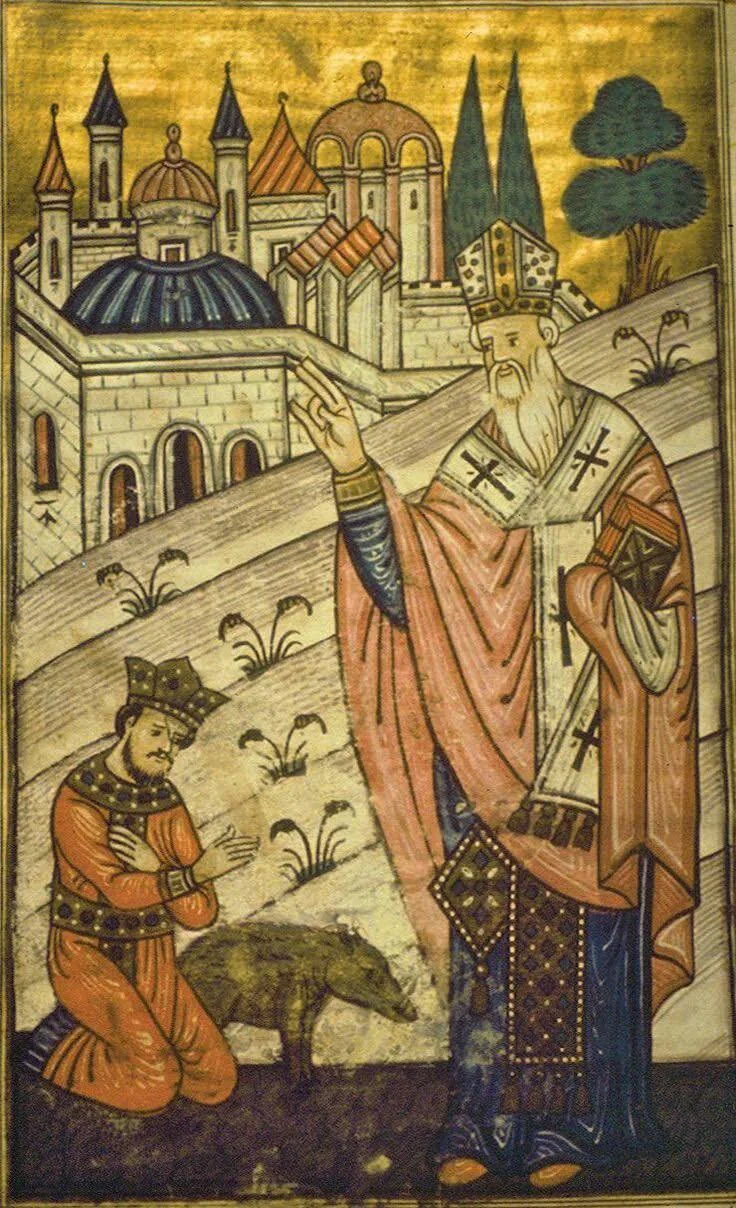
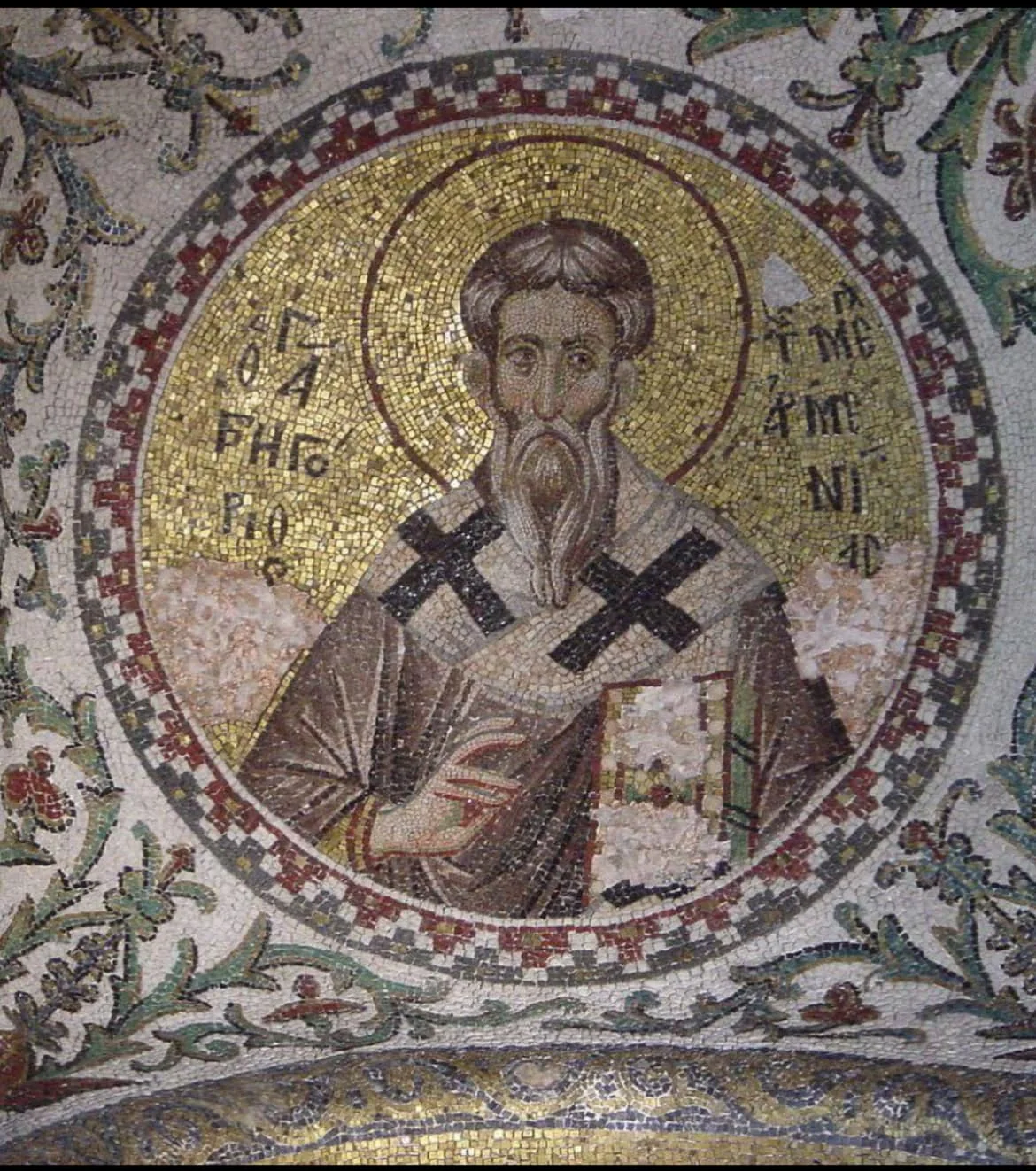
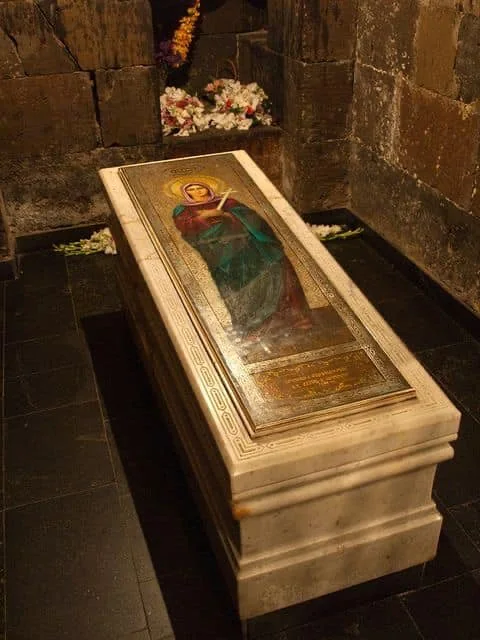
The name of Trdat III is linked to one of the decisive events in Armenian history. Christianity had reached Armenia in the first centuries, and Armenian church tradition regards the apostles Thaddeus and Bartholomew as its founders. The history known under the name of Agathangelos tells that a Christian named Gregory, brought up in Caesarea (Kayseri) in Cappadocia, served Trdat but refused to offer sacrifice to the goddess Anahit, and was kept imprisoned for many years at Khor Virap near Artashat. According to the same account, the virgins Hripsime and Gayane were martyred with their companions in Vagharshapat, and the king fell gravely ill and was healed only through Gregory’s prayer. Then Trdat and his court were baptised, and Gregory was consecrated in Caesarea as chief bishop of Armenia. He is known to history as Gregory the Illuminator.
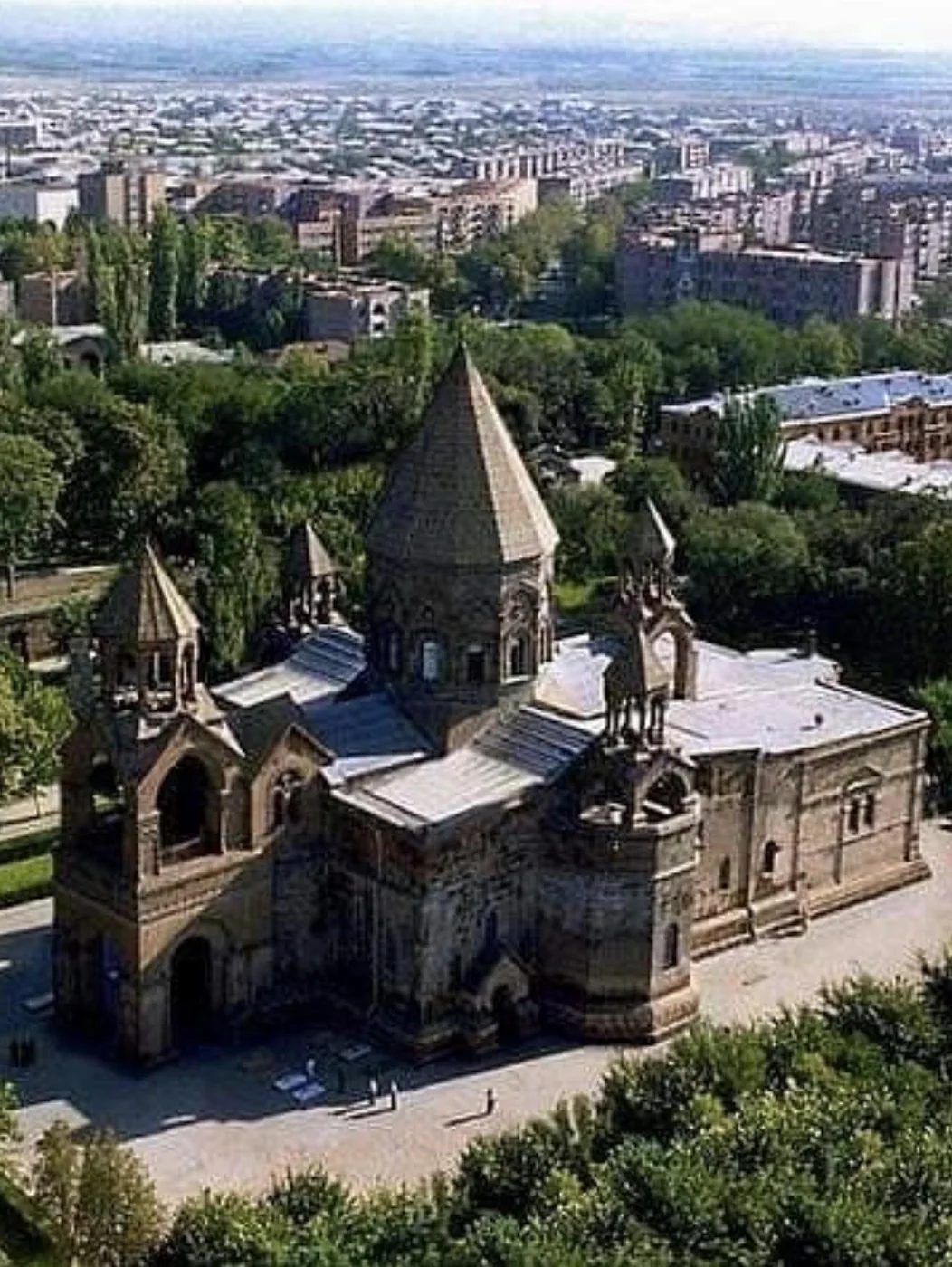
In Armenian church tradition the traditional date for the proclamation of Christianity as the state religion is 301. Many modern historians, on the basis of Roman and church chronology, prefer a date around 314. In either case Armenia is usually regarded as the first country to adopt Christianity as its state religion. The mother church built in Vagharshapat later came to be called Etchmiadzin, ‘the Only-Begotten descended’, because, according to tradition, Gregory saw in a vision Christ descending from heaven and showing him the place for the church. The present building of the cathedral is largely the result of a rebuilding at the end of the 5th century and of changes in later centuries. Churches were built on the sites of pagan sanctuaries, and the children of the pagan priests, according to Agathangelos, were sent to be educated. A 4th-century church has recently been excavated at Artashat; it is one of the earliest church buildings known in Armenia.
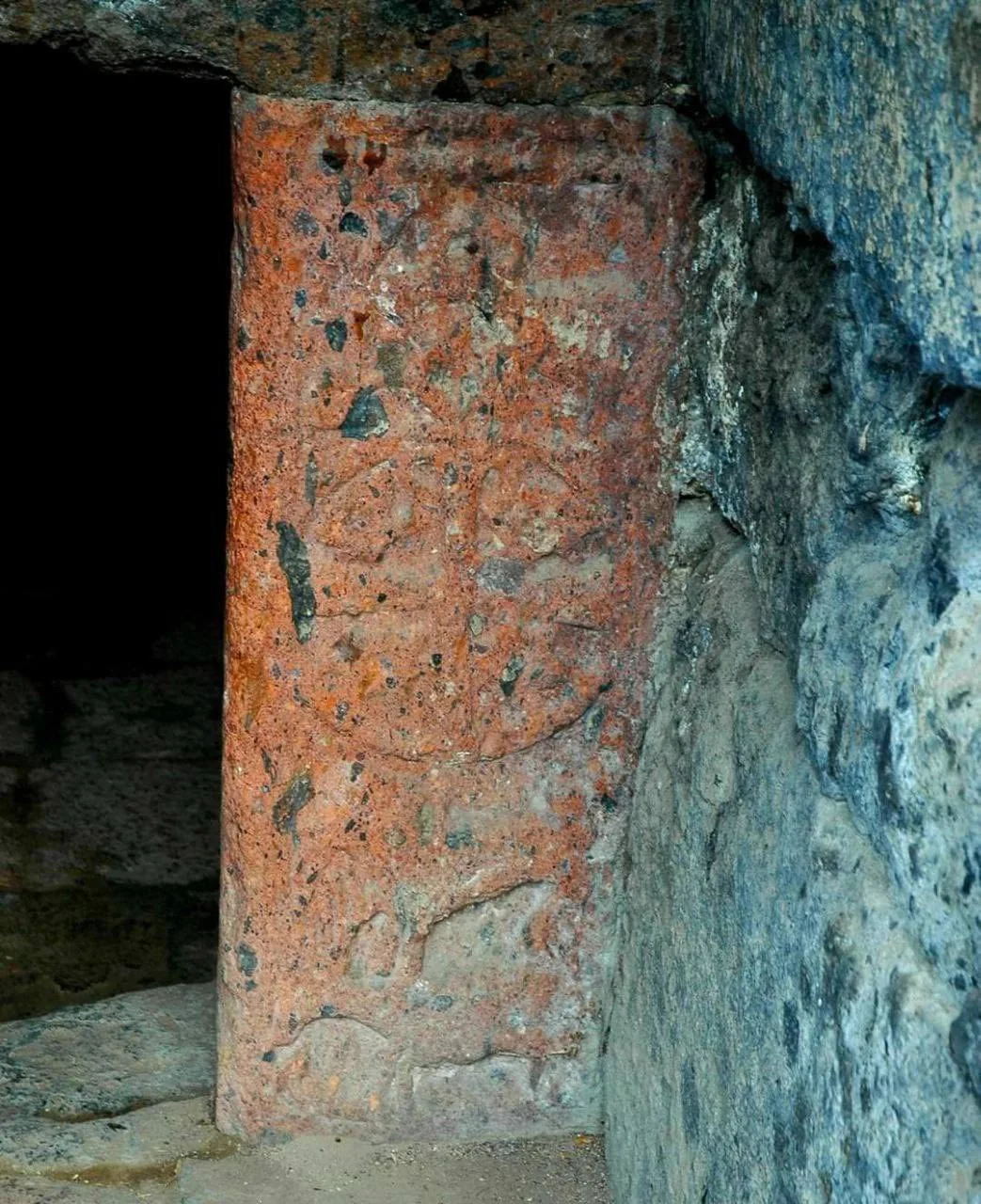
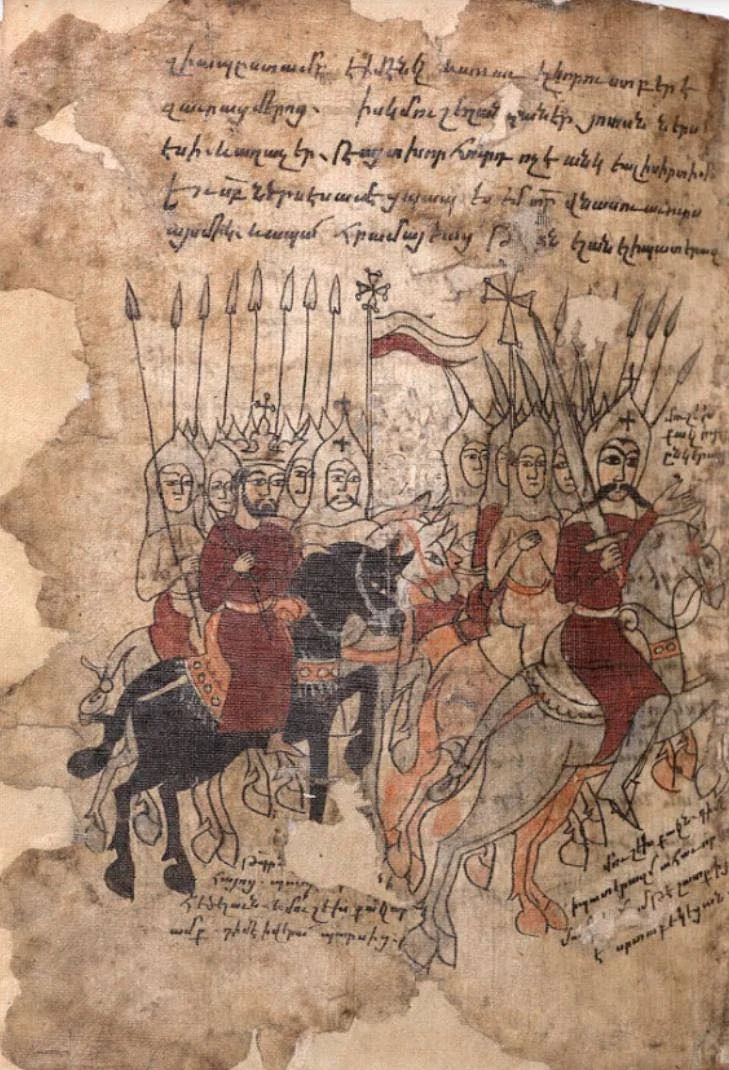
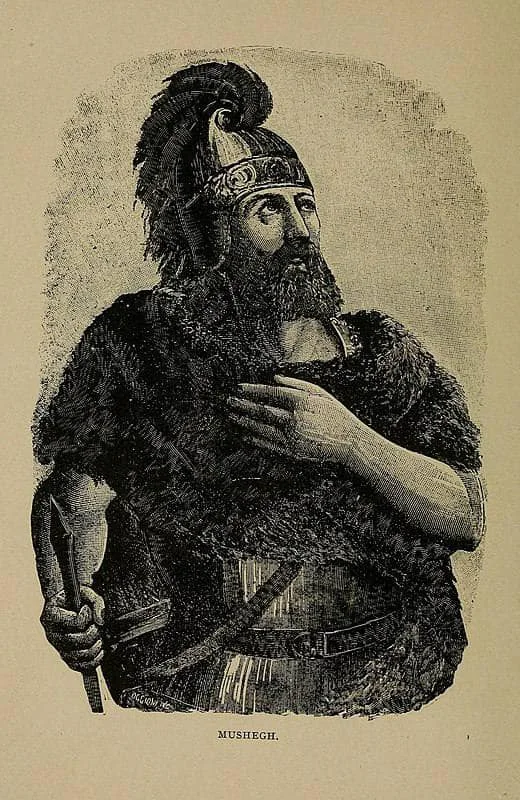
The adoption of Christianity distanced Armenia culturally from Zoroastrian Persia, but it did not free it from wars. In the 4th century the Arsacid kings struggled against both Sasanian Persia and the powerful noble houses, the nakharars, and their relations with the church were not always smooth either. According to tradition, Khosrov III Kotak moved the court to Dvin, a city he had founded. Arshak II resisted Shapur II for many years but was finally captured and died in the Persian fortress of Anyush. During the Persian invasions the tombs of the Arsacids were desecrated, and according to Faustus of Byzantium the remains of the kings were moved to Aghdzk, where the royal tomb survives to this day. In 371, in the reign of Arshak’s son King Pap, the commander-in-chief Mushegh Mamikonian, with the support of Roman troops, defeated the Persian army at the field of Dzirav in Bagrevand. Soon afterwards, however, Pap was killed in a plot organised by the Romans.
At the end of the 4th century the two empires agreed to divide Armenia. Around 387 (the exact date is debated), by an agreement between the Roman Empire and Sasanian Persia, the smaller western part of the country passed to Rome and the larger eastern part to Persia. At first Arsacid kings ruled in both parts, but in the western part the kingdom was soon abolished. In Eastern Armenia the reign of King Vramshapuh (early 5th century) was relatively peaceful, and it was at this time that the Armenian alphabet was created. In 428 some of the Armenian nobles asked the Sasanian court to depose Artashes IV, and the Persian king Bahram V, despite the objections of Catholicos Sahak Partev, abolished the kingdom. Armenia became a Persian marzpanate, a province under a Persian governor, although the noble houses and the church retained a major role in the country’s internal life.